
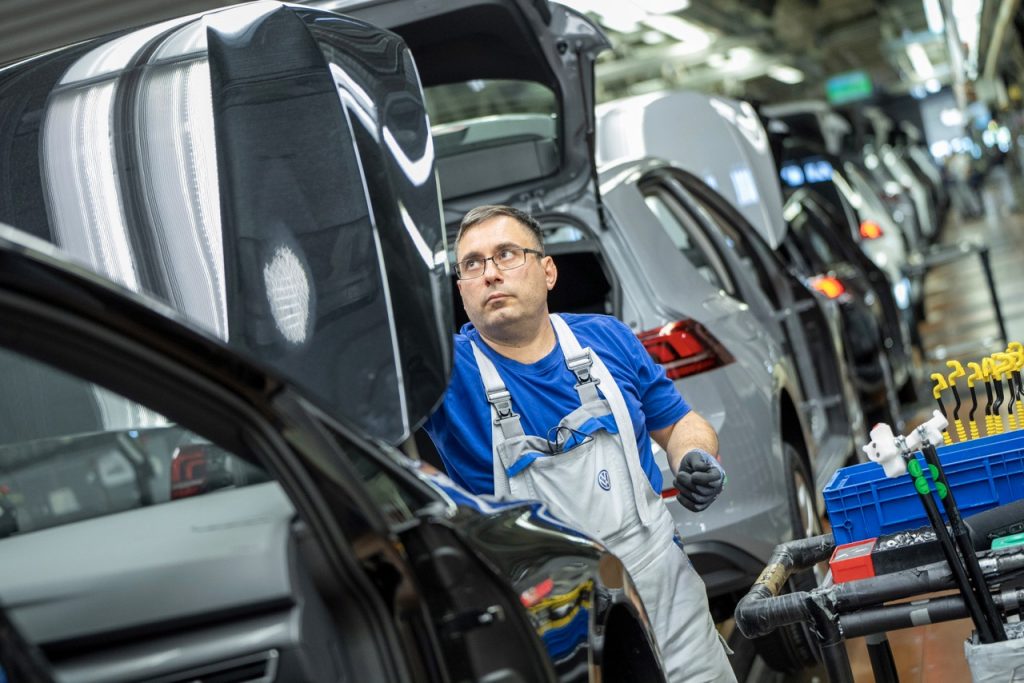


Hildegard Mueller, president of Germany’s VDA auto lobby, stood in front of reporters at the Beijing auto show on Saturday and said something her predecessors never would have: stop using historically strong market share in China as the benchmark for success. That’s not a pivot. That’s a eulogy.
“The competition in the Chinese market is the most intense competition in the world,” Mueller said, delivering the kind of understatement that only a trade association president can manage while watching the floor crumble beneath her feet.
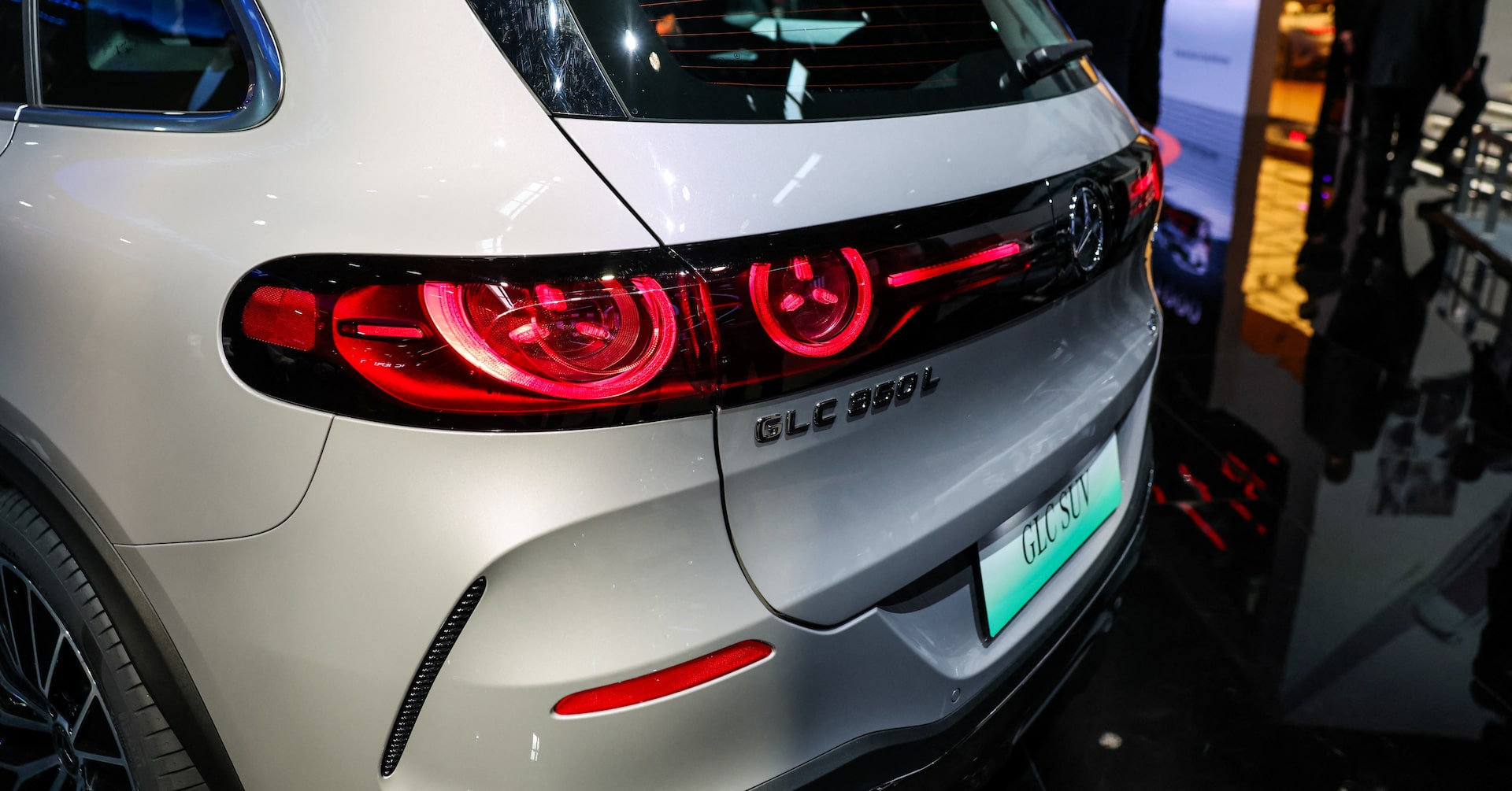
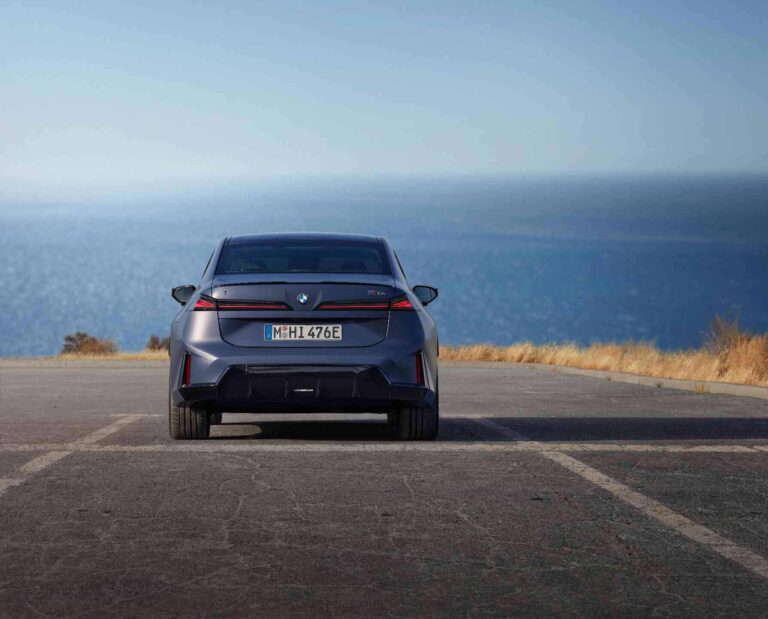
The Beijing International Automotive Exhibition is supposed to be where German automakers flex. Mercedes unveiled the GLC L electric SUV. BMW brought new hardware.
There were model launches and tech demonstrations designed to project confidence. But the real story was playing out at the booths next door, where Geely and Nio were presenting cars loaded with advanced features at prices that make the German luxury pitch increasingly hard to justify.
Mueller acknowledged the obvious: Chinese manufacturers will have a bigger role now and in the future. Patriotism among Chinese consumers is part of it. But so is value. When a domestic EV offers equivalent or better technology for significantly less money, brand heritage only stretches so far.
The economic backdrop makes everything worse. China’s slowdown, with high unemployment, cautious consumers, and tightening household budgets, is hitting precisely where German automakers have built their fortunes. “China is in economic crisis with high unemployment and many have to save,” Mueller said. “This is visible in car sales, particularly in the upper luxury segment.”
That last part stings. The upper luxury segment was the fortress. It was the profit engine that funded R&D, subsidized volume models, and kept shareholders happy through every previous downturn.
When Chinese consumers start cutting back on six-figure sedans, the math changes fast for Stuttgart and Munich.
The German industry’s response so far has been a strange mix of realism and ritual. They keep showing up to Beijing with new models, which is the right move. But the structural problem isn’t a product cycle issue.
Chinese automakers have compressed development timelines, integrated software more aggressively, and built supply chains that German companies cannot replicate from 5,000 miles away. The cost advantage isn’t marginal. It’s foundational.
Mueller’s comments point to a permanent recalibration. The days of BMW, Mercedes, and Volkswagen commanding 20-plus percent of the Chinese market as a group are not coming back. The question is whether they can hold enough ground to remain relevant or whether China becomes a rounding error in their global P&L within a decade.
Growth potential still exists in China compared to mature markets in Europe and the U.S., Mueller noted. But growth for whom? Every percentage point of expansion is now more likely to land in the column of BYD, Geely, or Nio than in any German ledger.
The German auto industry built its modern identity on engineering superiority and premium positioning. Both pillars are under direct assault in the world’s largest car market by companies that move faster, price lower, and increasingly match the technology. Showing up to Beijing with a new SUV is necessary. It is no longer sufficient.
What Mueller said out loud on Saturday is what boardrooms in Munich, Stuttgart, and Wolfsburg have known privately for at least two years. The old China playbook is dead. Nobody at the VDA has published the new one yet.
Share this Story