
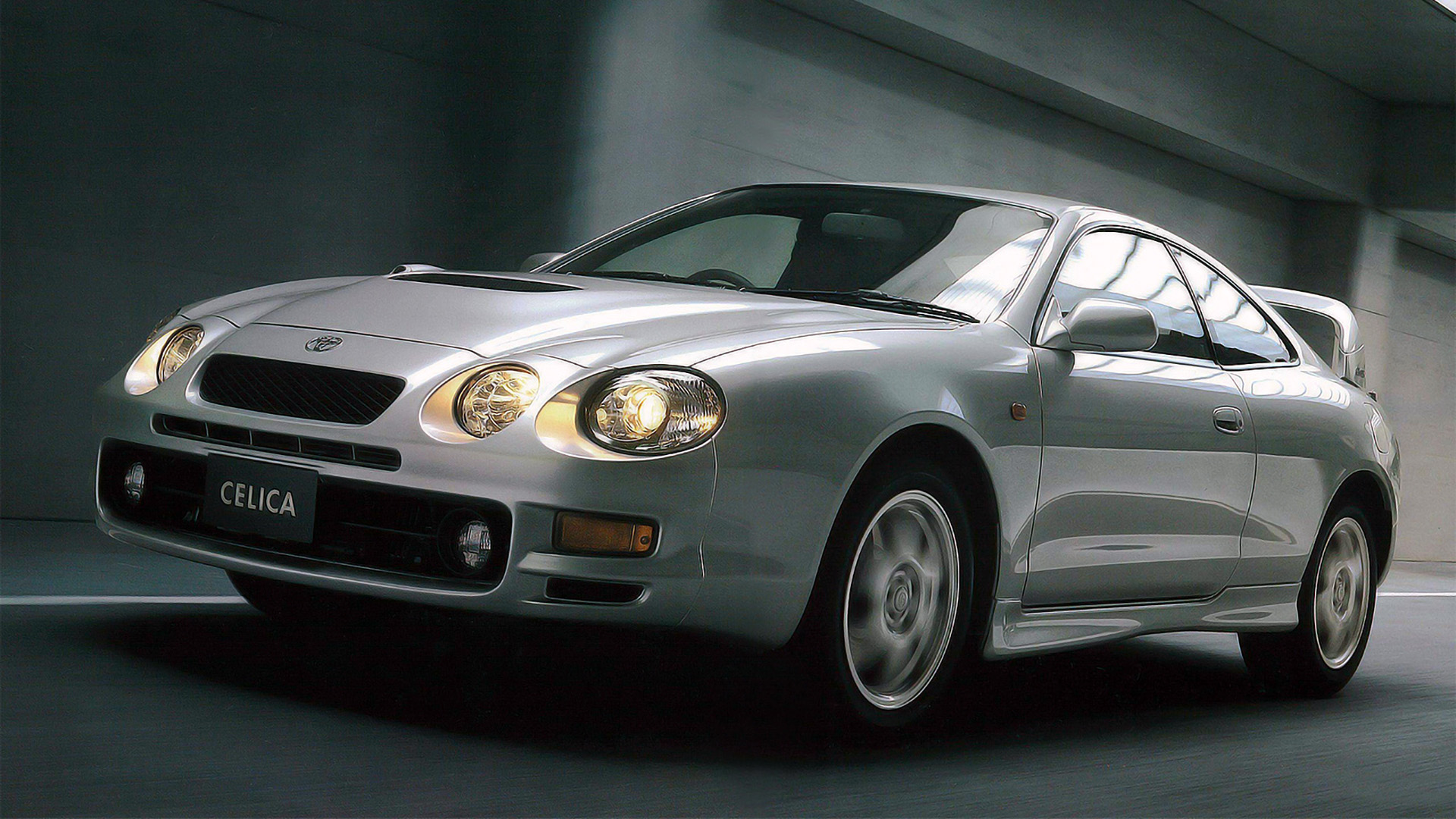


Toyota has been running a camouflaged rally car in plain sight for months, and now the veil is lifting. The production version will be called the Celica Sport, it will pack all-wheel drive, and it will almost certainly carry some form of electrified powertrain. That’s not speculation — that’s straight from Toyota’s own people.
Autocar reports the car will be powered by Toyota’s forthcoming 2.0-liter four-cylinder engine, paired with an electric boost to keep it on the right side of tightening global emissions regulations. Gazoo Racing marketing manager Mikio Hayashi confirmed the hybrid angle while leaving the exact flavor undecided. Nothing has been decided yet about whether it will be a standard hybrid or plug-in hybrid,” Hayashi told the publication.
That quote is revealing in what it doesn’t say. There’s no mention of a pure internal combustion option. The only question Toyota is still wrestling with is how much electrification to bake in, not whether to include it at all. For enthusiasts dreaming of a raw, analog successor to the rally-bred Celicas of the 1990s, this is the moment to recalibrate expectations.
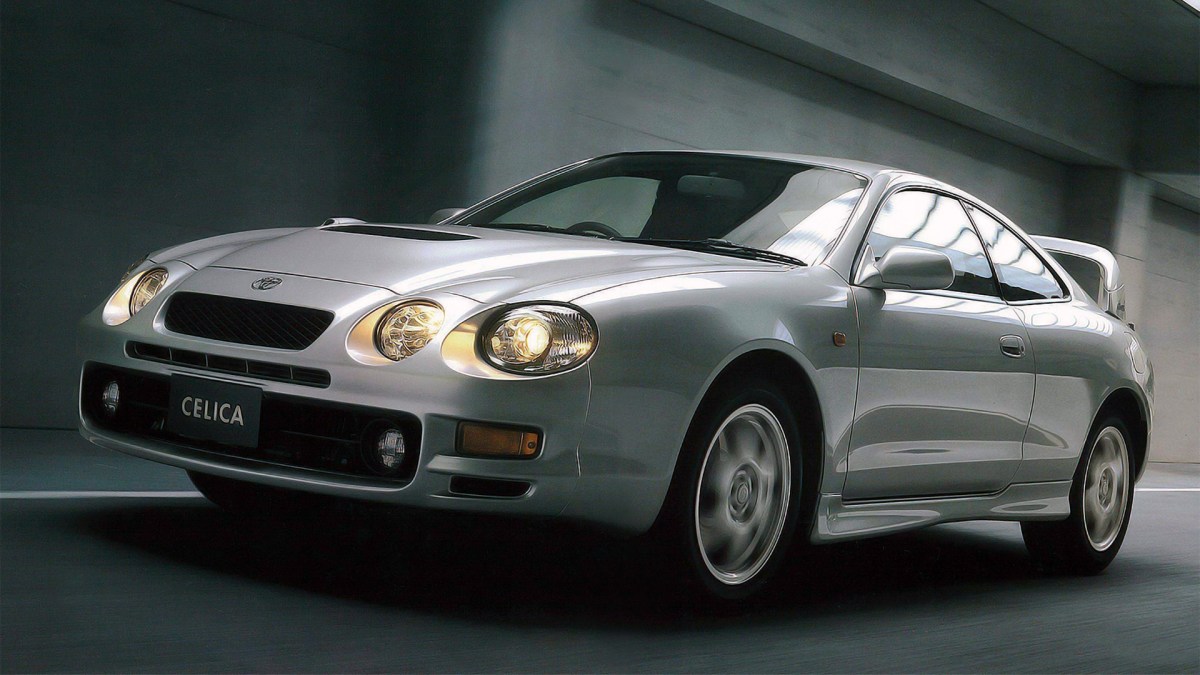
The Celica name hasn’t appeared on a new Toyota since 2006, when the seventh-generation coupe quietly disappeared from showrooms after a 36-year run. Reviving it now, attached to a rally-inspired AWD platform with hybrid tech, signals Toyota is threading a very specific needle. They want a car that evokes motorsport credibility while satisfying the regulatory math that governs every new vehicle program in 2025.
Toyota has been on a tear with its sports car strategy in recent years. The GR86 delivered affordable rear-drive fun. The GR Supra brought back a beloved nameplate with BMW underpinnings.
The GR Corolla stuffed a turbocharged three-cylinder and AWD into an economy hatchback. The GR Yaris did the same for markets outside North America. Each car staked out different territory, and each attracted a different buyer.
The Celica Sport looks like it will sit above the GR Corolla in Toyota’s performance hierarchy, occupying the space of a purpose-built rally homologation car rather than a hot hatch with rally aspirations. The AWD system and the dedicated platform testing Toyota has been doing in competition suggest this isn’t a parts-bin special. It’s a ground-up effort.
But the hybrid question matters enormously. A standard hybrid setup would add weight and complexity while delivering modest electric assistance — think of it as a performance supplement rather than a defining characteristic. A plug-in hybrid would pack a bigger battery, more electric-only range, and significantly more instant torque, but at the cost of even more mass.
Neither option is inherently bad. Both reshape the driving experience in ways that traditional rally car purists may find difficult to embrace.
Toyota’s Gazoo Racing division has earned real credibility by winning at Le Mans and dominating the World Rally Championship. That pedigree gives the Celica Sport a foundation most revival nameplates never get. The engineering talent is there, and the motorsport DNA is there.
The open question is whether Toyota can package hybrid hardware into a car that still feels alive, still rotates on a gravel stage in your imagination, still makes you want to take the long way home. The company has done it before with the GR Yaris and GR Corolla, cars that punch well above their price point in raw driver engagement.
Pricing, final powertrain specs, and a production timeline remain unconfirmed. But the trajectory is clear. The Celica is coming back, and it’s bringing batteries with it.
Whether that’s a compromise or an evolution depends entirely on execution. Toyota’s GR team has earned the benefit of the doubt, at least until the first drive.

Share this Story