
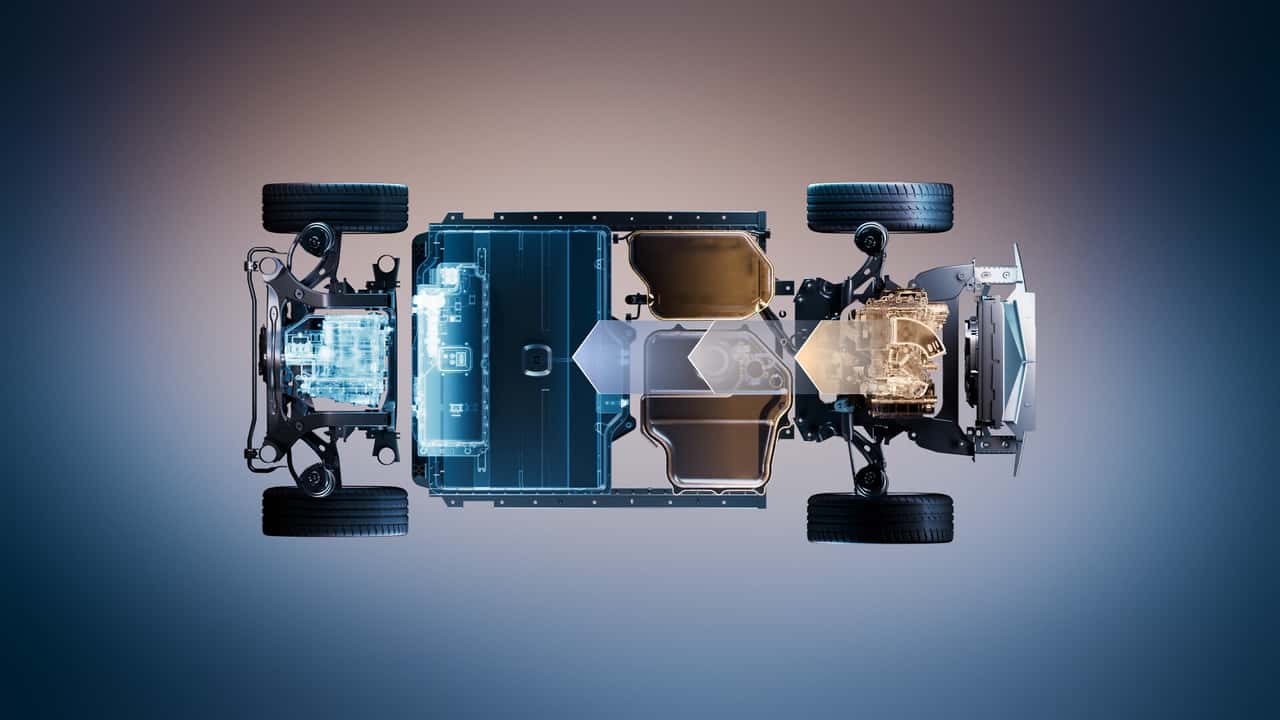


Renault just drew its battle lines. The French automaker unveiled its “futuREady” strategy this week, promising 22 new models in Europe by 2030, with 16 of them fully electric. The centerpiece is a brand-new 800-volt platform designed to underpin both battery-electric vehicles and extended-range EVs claiming up to 870 miles on a single fill-and-charge.
That range number deserves scrutiny. The 870-mile figure applies to EREVs — vehicles carrying both a battery pack and a small gasoline engine acting as a generator — measured on the generous WLTP cycle. Pure BEV versions on the same platform top out at 466 miles.
Both figures are aspirational targets for 2030, not production realities today. Still, Renault is clearly signaling it won’t cede the range anxiety argument to anyone, Chinese competitors included.
The company named its new architecture RGEV medium 2.0, covering everything from compact B-segment cars to larger D-segment models. Ultra-fast charging capable of meaningful top-ups in 10 minutes is promised by decade’s end. A first compact EV on the platform will lead the rollout, followed by EREV variants using the same bones.
Renault has earned some credibility here. The Renault 5 and Renault 4 were genuine European success stories last year, proving that personality and competitive pricing still move metal even in a crowded EV market. But scaling from charming retro hatchbacks to a full 800-volt lineup competing with BYD and its kin is a fundamentally different challenge.
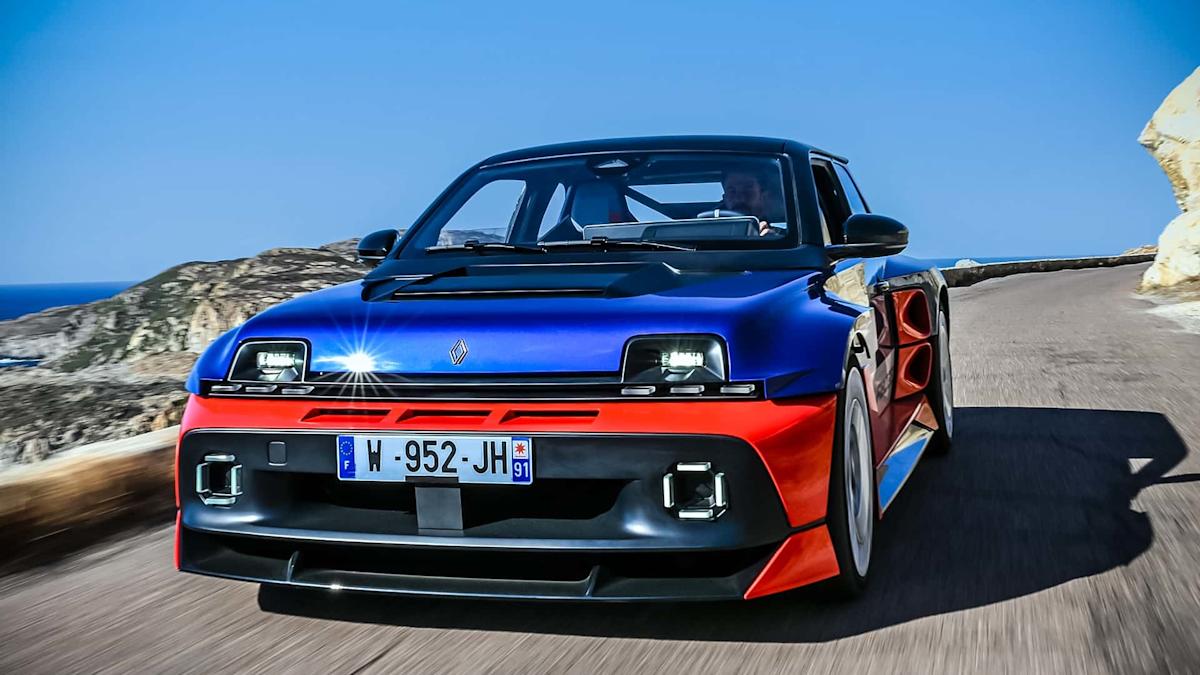
The technical ambitions run deep. A third-generation electric motor developed entirely in-house ditches rare earth materials, hits 93 percent efficiency at highway speeds, delivers 275 horsepower, and costs 20 percent less than the current unit. Two battery chemistries will split the range: high energy density NMC cells for premium 800-volt models, and cheaper LFP packs for entry-level cars in the A and B segments. Smaller vehicles stick with 400-volt architecture and 20-minute fast charging.
Renault explicitly named Chinese automakers as the competitive benchmark for innovation, cost, and development speed. To match that pace, the company is compressing its product cycle from four years to two — an aggressive timeline that European manufacturers have historically struggled to hit. Every new project in the group is already operating on this accelerated schedule, according to Renault.
Across the group, the ambitions extend to 36 new models globally, spanning Renault, Dacia, and Alpine. Dacia picks up three new EVs, including an updated Spring with LFP batteries. Alpine gets the long-anticipated next-generation A110 in electric form. The spread is deliberate: budget city cars at the bottom, a proper sports car at the top, and a wall of electrified crossovers and compacts filling the middle.
The EREV play is particularly telling. Europe has been slower to embrace range extenders than China, where brands like BYD and Li Auto have turned them into massive sellers. Renault is betting that European buyers, many of whom still lack reliable home charging, will warm to the idea of a plugged-in car that never leaves you stranded. Wrapping that pitch in an 870-mile headline certainly helps.
Whether Renault can actually deliver all of this by 2030 at competitive prices remains the only question that matters. The company has a factory footprint, a motor it builds itself, and recent proof it can design cars people actually want. What it doesn’t yet have is a track record of moving at Chinese speed. The next four years will determine whether “futuREady” was a strategy or a slogan.
Share this Story