
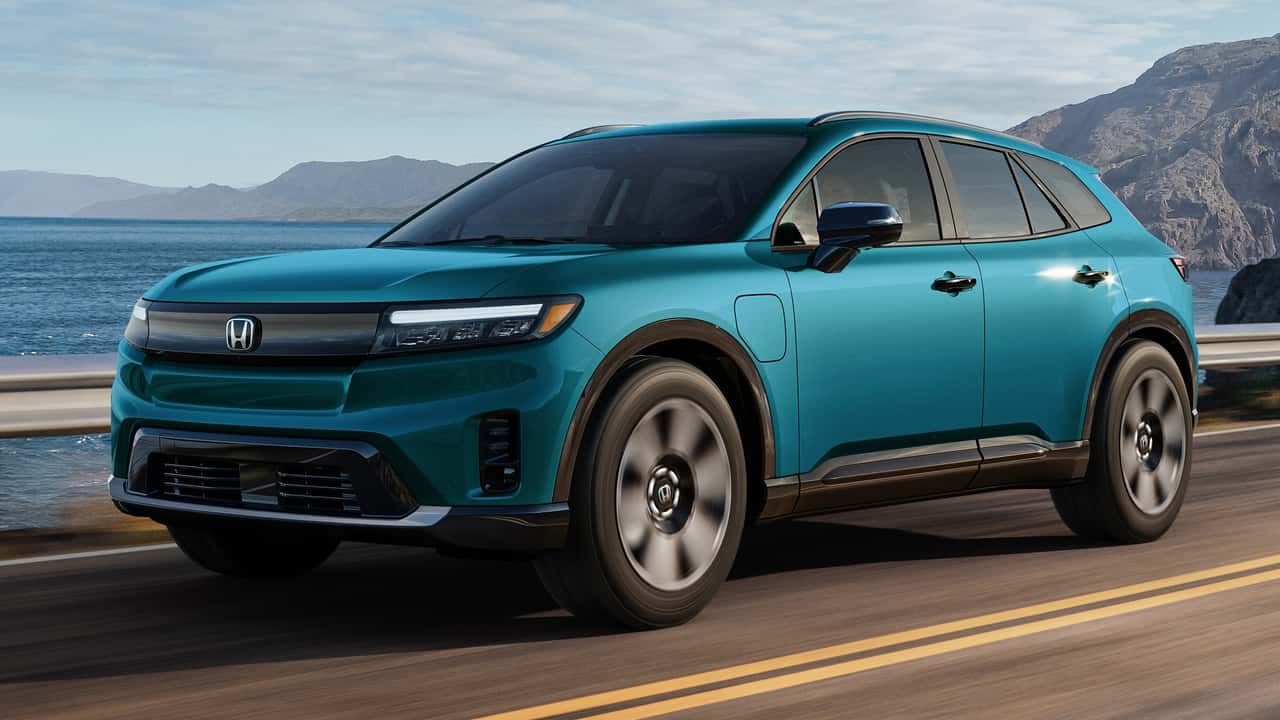


Honda knew something was wrong with its electric SUV screens in June 2024. It took until December 2025 — eighteen months later — to identify six independent software defects lurking inside the Radio Control Module. And it wasn’t until February 2026 that the company finally pulled the trigger on a recall covering 65,135 vehicles.
The affected models are the 2024 Honda Prologue and 2024 Acura ZDX, both built on General Motors’ Ultium battery platform. Both screens — the instrument cluster and the center infotainment display — can go completely blank while the vehicle is moving. No speedometer. No warning lights. No backup camera when you shift into reverse.
Honda couldn’t reproduce the problem for months. That’s the maddening nature of intermittent software failures: they show up in the real world but hide in the lab. Meanwhile, 148 warranty claims stacked up. No crashes or injuries have been reported, but driving blind on your own instrument panel is the kind of thing that tends to end badly.
The recall breaks down to 45,562 Prologues and 19,573 ZDXs. Honda estimates only about one percent of the population will actually experience the defect, but the recall covers every unit produced. Prologues built between October 2023 and December 2024 are included, along with ZDXs from December 2023 through January 2025.
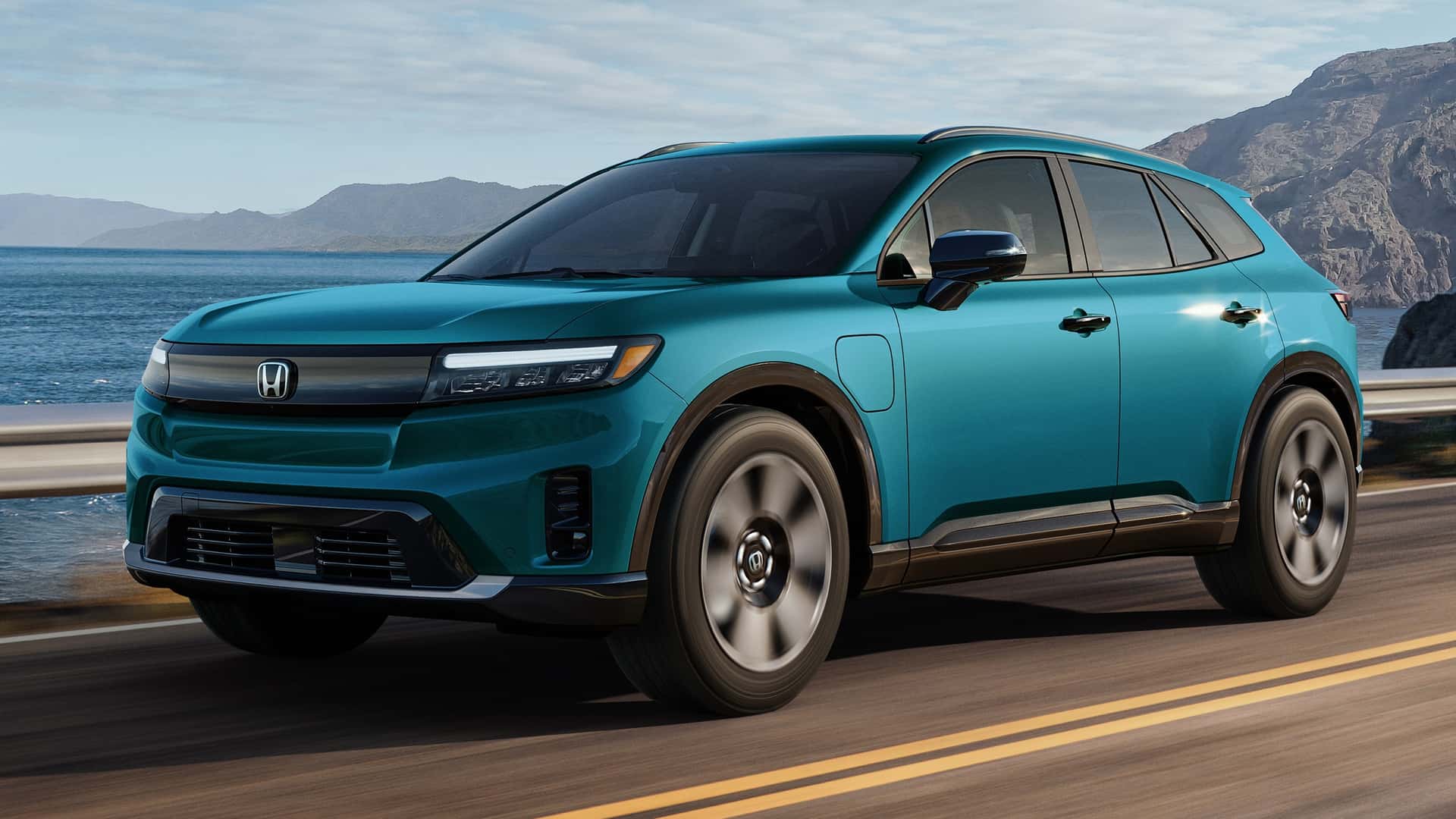
The fix is a software update to the Radio Control Module, performed at a dealership. Honda says the corrected software has already been installed in 2025 Prologue models from the start of that model year. The Acura ZDX, meanwhile, was killed after a single year of production, making this recall something of a farewell gesture for a vehicle that never gained traction in the market.
Owner notifications go out by April 20. Dealers were alerted back in late February.
Here’s the uncomfortable truth baked into this recall: Honda didn’t write this software. The Prologue and ZDX ride on GM’s architecture, GM’s battery system, GM’s electronic bones. When the guts go wrong — and six separate software defects qualify as the guts going very wrong — it raises hard questions about how much control Honda actually has over the vehicles carrying its badges.
GM’s Ultium platform was supposed to be the scalable, flexible foundation for an entire generation of electric vehicles across multiple brands. Honda signed on as a partner, betting that GM’s EV engineering would let it skip the brutal early investment cycle. But a recall rooted in six distinct software bugs inside a single module suggests the platform still had rough edges when these vehicles rolled off the line.
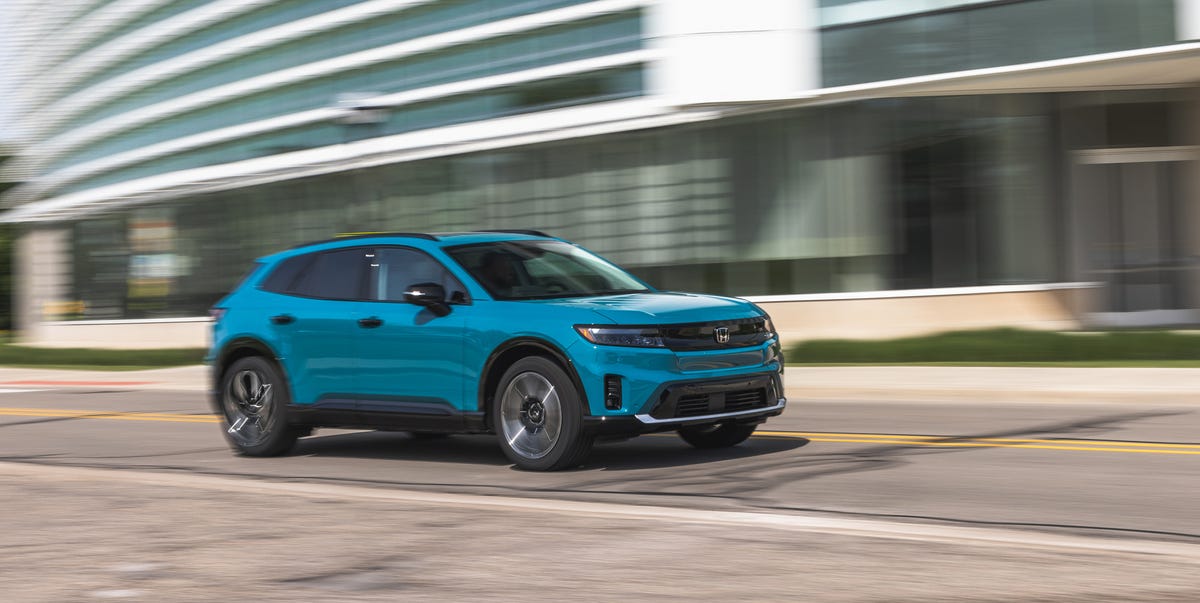
Software-related recalls have become a drumbeat across the entire auto industry. Ford, GM, Mercedes, Hyundai — nobody’s clean. The difference is that most automakers are wrestling with their own code. Honda is wrestling with someone else’s.
The company says it has no reports of injuries or crashes tied to the defect. A blank instrument cluster at highway speed, or a dead backup camera in a parking lot full of kids, is exactly the scenario regulators lose sleep over. NHTSA’s Federal Motor Vehicle Safety Standards require functioning displays for precisely this reason.
Owners who want to check whether their vehicle is included can visit Honda’s or Acura’s recall lookup sites or call 888-234-2138. The fix is free, and it’s a single dealer visit. But the bigger cost — the one Honda can’t patch with a software update — is the trust equation between a legacy automaker and the platform partner it hitched its electric future to.


Share this Story