
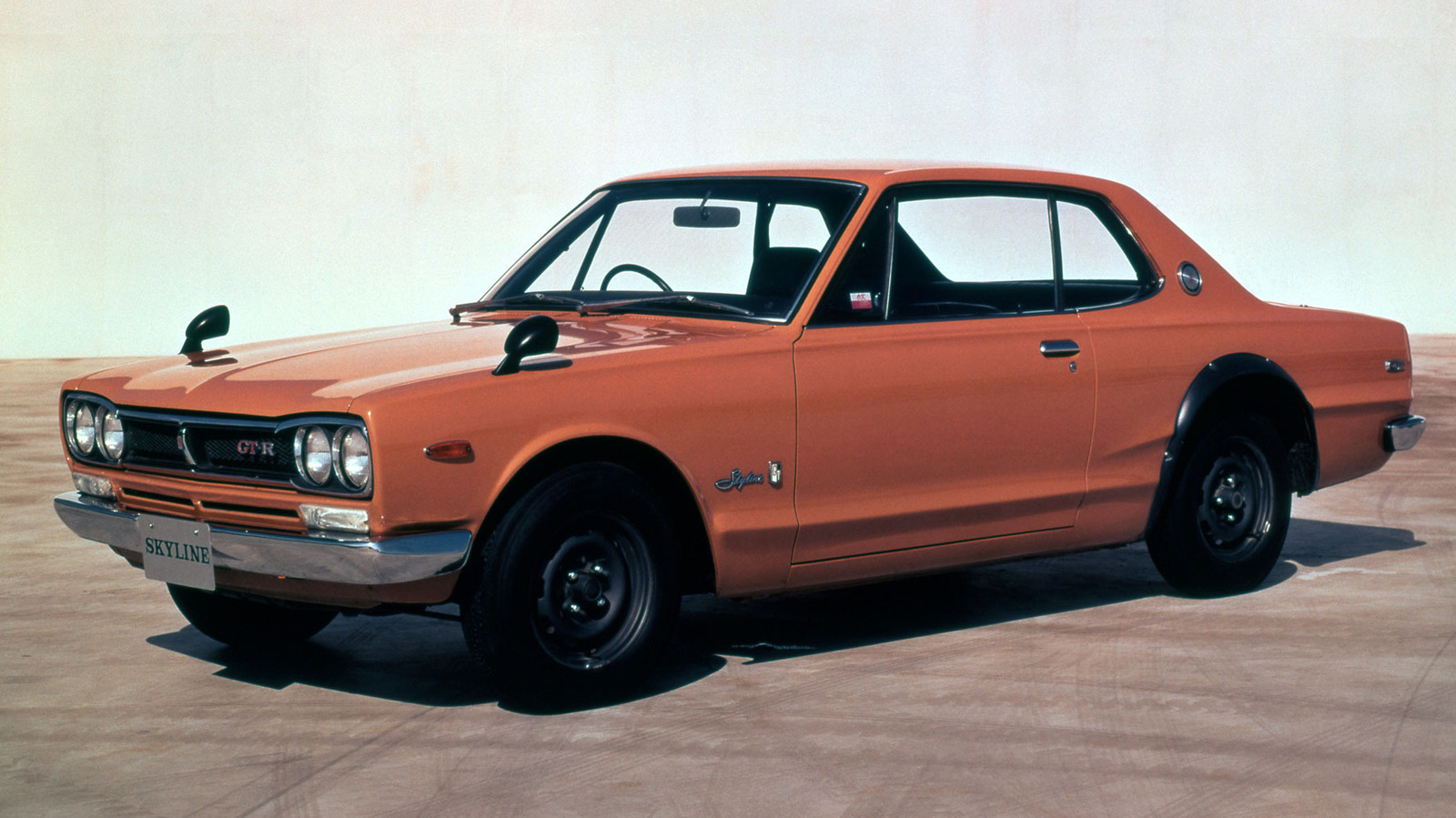


“If we were to make an R36, it would have round headlights. That’s all I can say right now.”
That is Matthew Weaver, Nissan’s new global design chief, speaking to Japan’s Best Car magazine. Read the first word again. If.
So the car Nissan has not confirmed now has a confirmed headlight shape. That is roughly where the GT-R story stands.
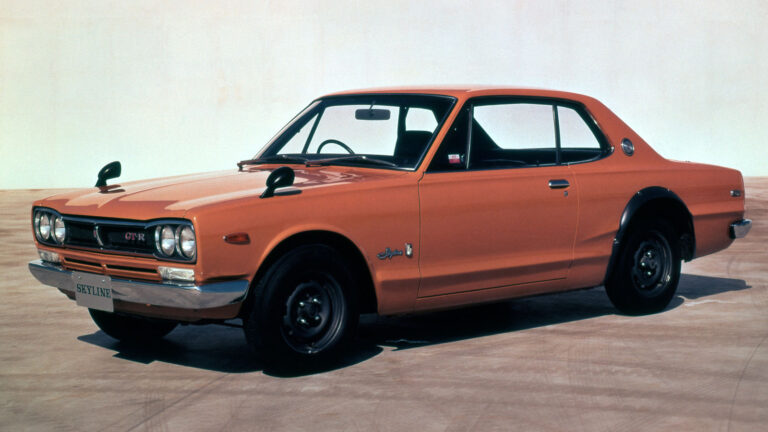
The cue Weaver is reaching for goes back a long way. The first GT-R, the 1969 PGC10 sedan, wore four round headlights. The KPGC10 coupe that followed in 1970 did the same.
The KPGC110 kept the circles when it arrived in 1973, but it barely lasted. The badge then vanished for more than 15 years. When it came back in 1989, the lamps were rectangular.
Every GT-R since has looked forward. Weaver is looking back.
He is in good company. Renault and Ferrari have both raided their own archives, and the industry has learned that nostalgia sells faster than a spec sheet. Round lamps on a modern GT-R would be a direct line to cars most current buyers have only seen in photographs.
Modern LEDs would at least make those circles useful. Nobody wants 1970s lighting on a car built to run at triple-digit speeds.
What the headlights cannot do is fill the hole the R35 left behind.
That car retired in 2025 after a 17-year production run. In car years, that is a geological era. It outlived design trends, emissions rules and several Nissan management teams.
No direct replacement was announced at the time. CEO Ivan Espinosa would only say the nameplate could “one day make a return.”
His tone has since firmed up. Speaking to EVO, Espinosa said there “definitely needs to be a new GT-R. It will come.”
Needs to. Will come. Still no date, no platform, no program.
The one thing Nissan has ruled out is a pure EV. That closes a door the company itself opened.
In 2023, Nissan showed the Hyperforce concept, an electric supercar rated at 1,341 hp (1,360 PS). To plenty of people, it looked like the next GT-R in waiting. Nissan executives have since said an all-electric GT-R is off the table.
Rumors point to a combustion engine instead, possibly with some electrical assistance to keep regulators happy. Nissan has not confirmed any of it.
So the picture is coming together in an odd order. The company knows what the R36 will not be. Its design chief knows what shape the lamps would take.
Its CEO knows the car must exist. What nobody has said is what sits under the hood, what it rides on, or when it shows up.
Most observers expect a concept within a year or two and a production car before the decade is out. That is a reasonable guess, and it remains a guess.
For a brand that let its halo car run for 17 years, the next GT-R is now being built one sentence at a time. The headlights got theirs first.
Weaver says that is all he can say right now. The key words are “right now.”
Share this Story