
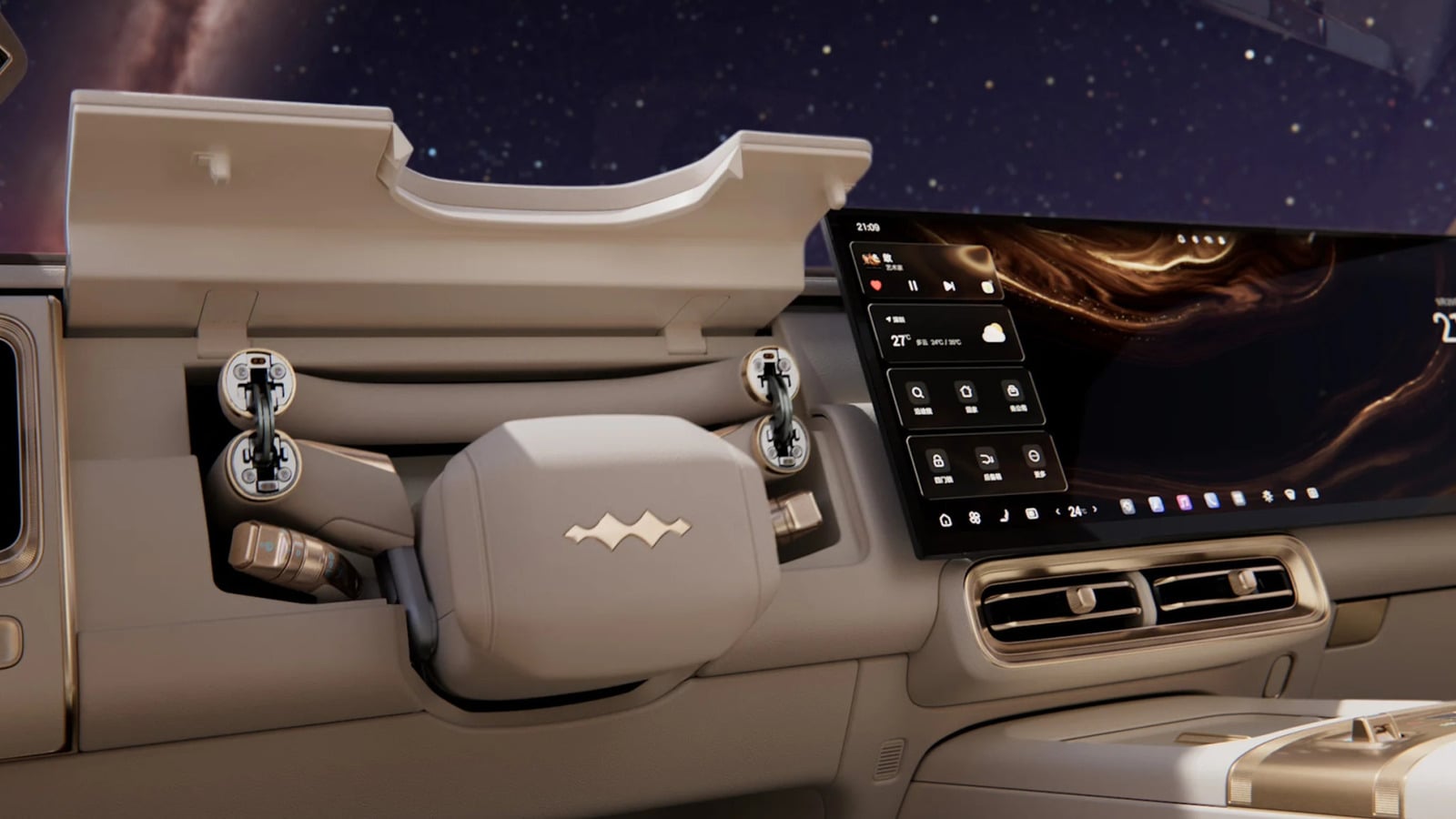


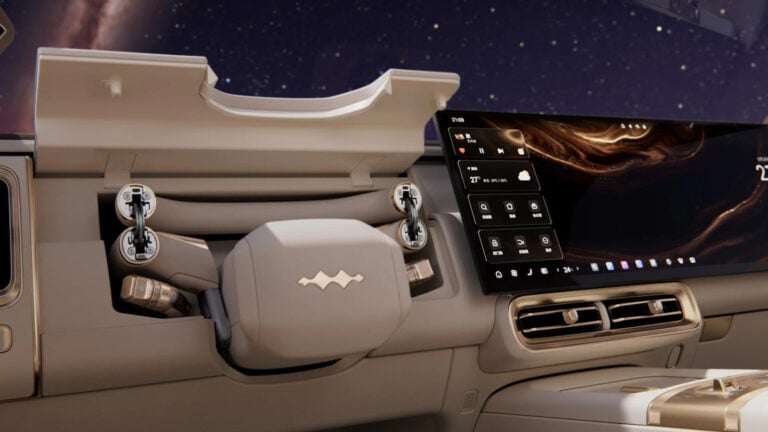
Ten seconds. That is how long it takes the steering wheel in BYD’s new Fangchengbao Ti9 to fold in half and disappear into the dashboard, leaving nothing behind but the airbag housing.
It is a production-car first. It is also not what you think it is.
For years, the retracting steering wheel has lived in concept cars as a promise of full autonomy, the moment the driver hands over and the cabin becomes a lounge. The Ti9 makes no such promise. The wheel only stows when the SUV is parked.
Fangchengbao pitches it as a way to rest or work. Push a button and the lower half of the wheel folds up on bespoke hinges, a flap in the dash opens, and the column and hub retract. What’s left is room for a laptop, plus a small table that clips into a cupholder.
Clever engineering. Narrow use case. And it is reserved for the range-topping trim.
Look past the party trick, though, and the Ti9 starts making uncomfortable arguments against some very established nameplates.
Start with size. The three-row SUV is 207.5 inches long, 78.7 inches wide and 72.8 inches tall, on a 123.2-inch wheelbase. That makes it longer than a BMW X7 at 203.6 inches and a Mercedes-Benz GLS at 205 inches.
Then the hardware. A turbocharged 1.5-liter engine works with two electric motors for a combined 536 horsepower.
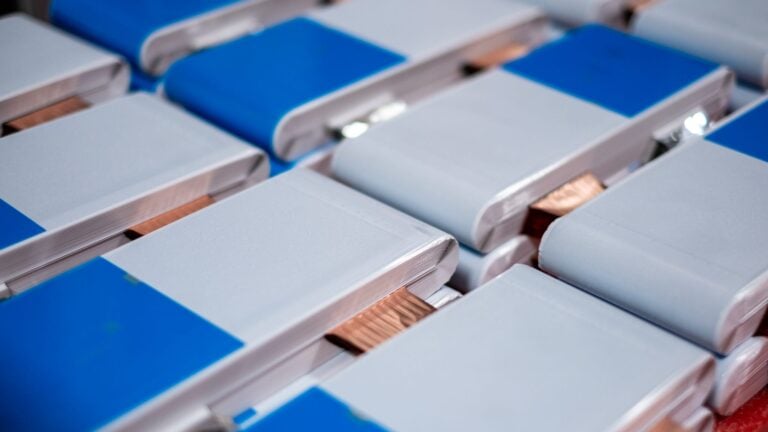
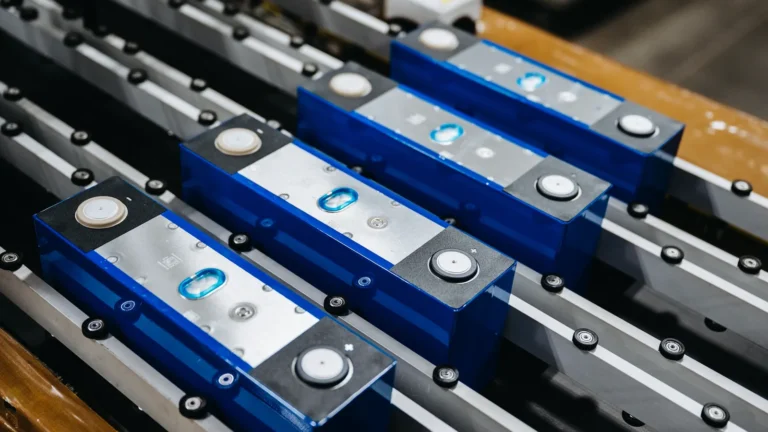
The battery is a 66.48-kWh BYD Blade 2.0 pack, good for up to 249 miles on electricity alone. With the engine running, combined range climbs to as much as 1,013 miles.
That number explains the folding wheel better than any press release could. A vehicle that can cover four figures of mileage between stops is a vehicle whose driver will eventually need a nap at a rest area.
Charging is just as aggressive. With support for BYD’s Flash Charging, the battery goes from 10% to 97% in 9 minutes. That is about as long as it takes to buy a coffee.
Inside, BYD has broken with the Chinese industry’s screen-everything habit. Yes, there is a 30-inch display spanning the center and passenger side, plus a slim screen running the width of the dash at the base of the windshield. But there are also plenty of physical buttons and controls.
The rest of the cabin goes hard on luxury cues. Metal accents dress the vents and speaker grilles, and leather or suede covers nearly every surface.
The second row gets captain’s chairs.
Now the part that will get attention in Munich and Stuttgart.
The base Ti9 4WD Max starts at 279,900 yuan, roughly $41,900. The 4WD Ultra runs 299,900 yuan, about $44,900. The Foldable Smart Cabin model, the one with the disappearing wheel, tops out at 329,900 yuan, or around $49,400.
The cheapest BMW X7 in the United States starts at $87,500.
Currency conversions and Chinese market pricing never translate perfectly, but the gap is hard to ignore. The most expensive Ti9, with a world-first steering wheel, a longer body and a plug-in powertrain the X7 doesn’t offer, costs just over half the price of the entry-level BMW.
The Ti9 is on sale in China now, several months after Fangchengbao first showed it. Western buyers can only study the spec sheet from a distance.
The established luxury brands are studying it too.
Share this Story