


On November 1, Marc Basseng pushed a Yangwang U9 Xtreme to 312.65 mph on a closed stretch of the E11 highway in Abu Dhabi. Three weeks later, Christian von Koenigsegg went on Instagram to say his Jesko Absolut can go faster.
He just can’t say when.
The Swedish founder confirmed the top-speed attempt is still on the agenda, with one condition attached. Koenigsegg will not run until it finds tires that can survive the job.
That is a familiar holding pattern. The Absolut was unveiled in 2020 and billed as the fastest car Koenigsegg would ever build. Five years on, its 330-mph figure still lives in computer simulations.
BYD, meanwhile, has hardware in the record books.
The U9 Xtreme became the first production car past 500 km/h, logging 503.17 km/h. The FIA recognized the run, and BYD’s luxury brand collected two Guinness World Records for its trouble.
There is a catch. The mark came from a single-direction pass, not the two-way average that traditionally keeps wind and road gradient from flattering the result.
Catch or not, the Chinese car did the thing. Four independently controlled electric motors make a combined 2,977 horsepower, more than double the output of the standard U9.
BYD also solved the exact problem Koenigsegg says is holding it back. It partnered with Giti Tire to develop semi-slick rubber built specifically for the attempt.
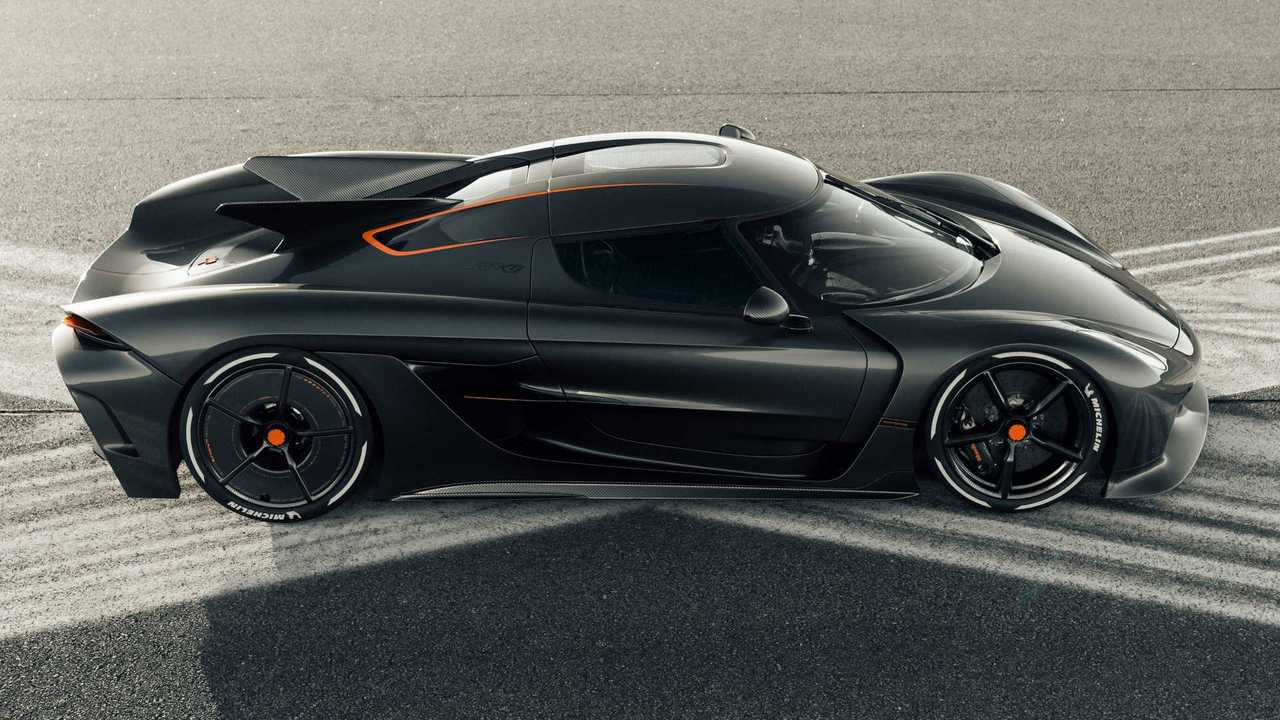
Koenigsegg’s case rests on physics and a rolling road. The Absolut drops the Jesko Attack’s towering rear wing for a slippery body with a 0.278 drag coefficient.
Its twin-turbo 5.0-liter V8 makes 1,280 hp on pump gas and 1,600 hp on E85. A nine-speed Light Speed Transmission feeds the rear wheels alone.
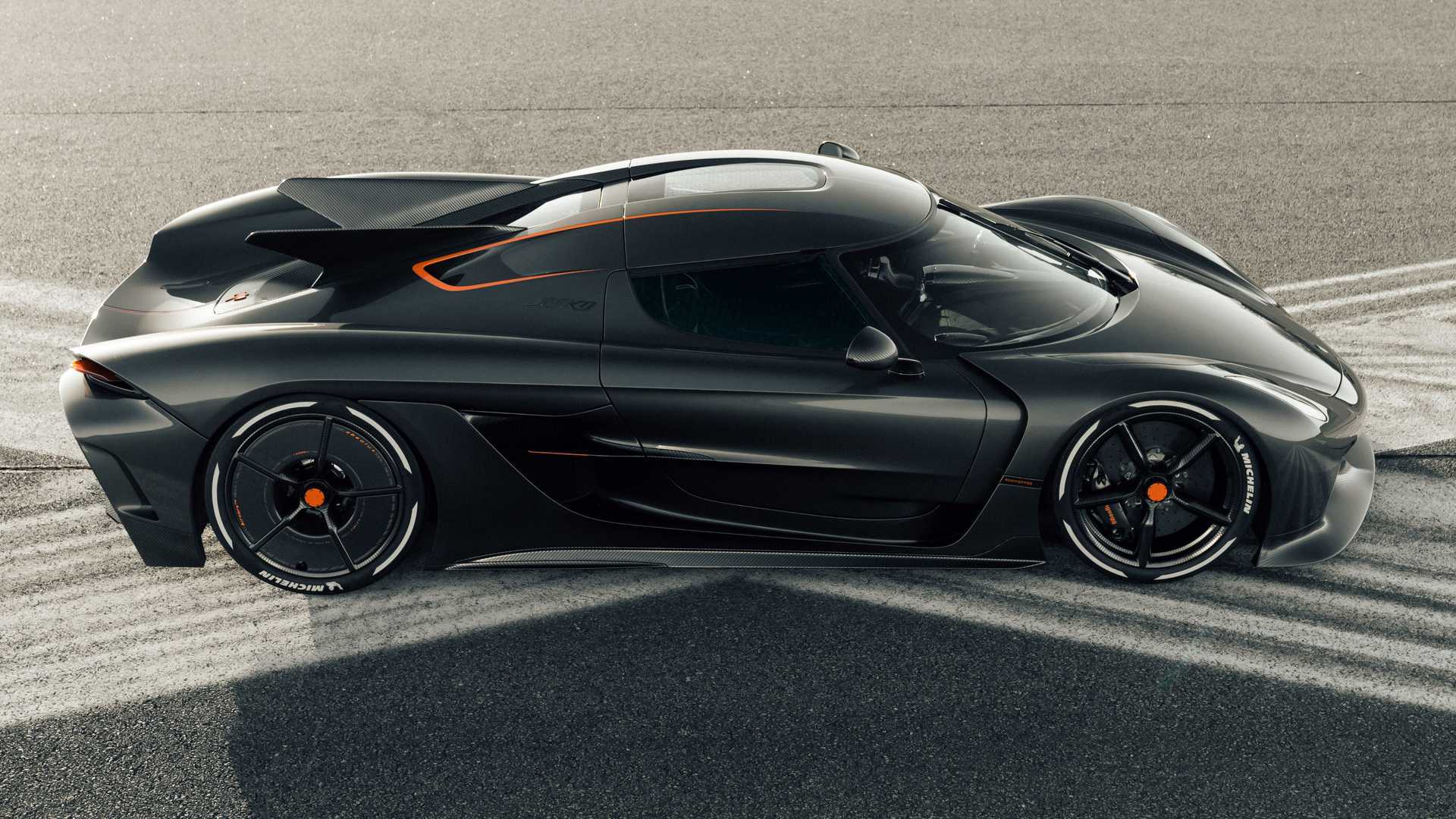
In July 2024, von Koenigsegg said a chassis dynamometer took the car beyond 500 km/h in ninth gear without touching the rev limiter. The test accounted for aero drag and rolling resistance.
What a dyno cannot tell you is how a car behaves at 330 mph on real asphalt. Crosswinds, surface changes and tires spinning under brutal heat and centrifugal load don’t show up on a rolling road.
That is the gap between a claim and a record.
Giti’s tires were engineered for a heavy, all-wheel-drive electric car. Nothing suggests they would suit a rear-drive, combustion-powered Swede, and Koenigsegg has previously leaned on Michelin for its high-speed testing.
Any solution also has to clear Koenigsegg’s own safety standards. Then there is geography.
A 330-mph pass needs a straight long enough to build speed gradually and bleed it off without hammering the brakes at the far end. BYD found that road in Al Dhafra. Koenigsegg has not named one.
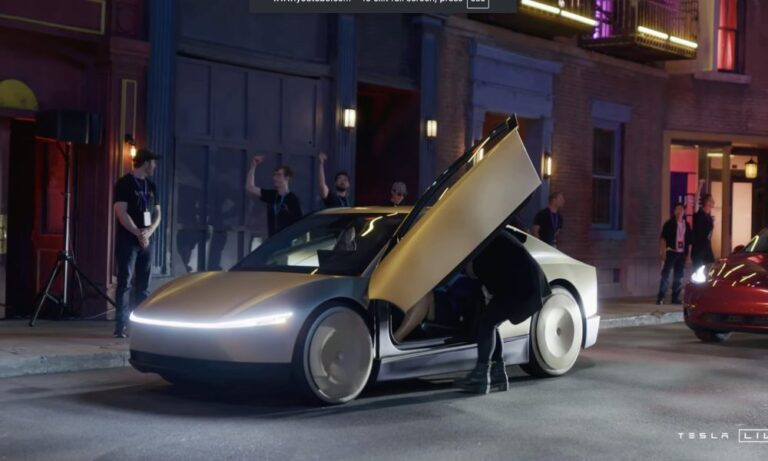
The field is getting crowded, at least in ambition. Tesla has floated a 330-mph target for the Performance version of its next Roadster, a car that has not entered production and is now aimed at 2028 manufacturing.
Bugatti may return too. Mate Rimac has signaled appetite for more records, and Bugatti President Christophe Piochon says the Tourbillon hybrid has the performance to set them.
So the scoreboard reads one verified number and a lot of projections.
Under the Motor1 story reporting von Koenigsegg’s comments, one reader left a single line: “They have been saying that for years.”
Koenigsegg has the car. It still needs the rubber and the road.



Share this Story