
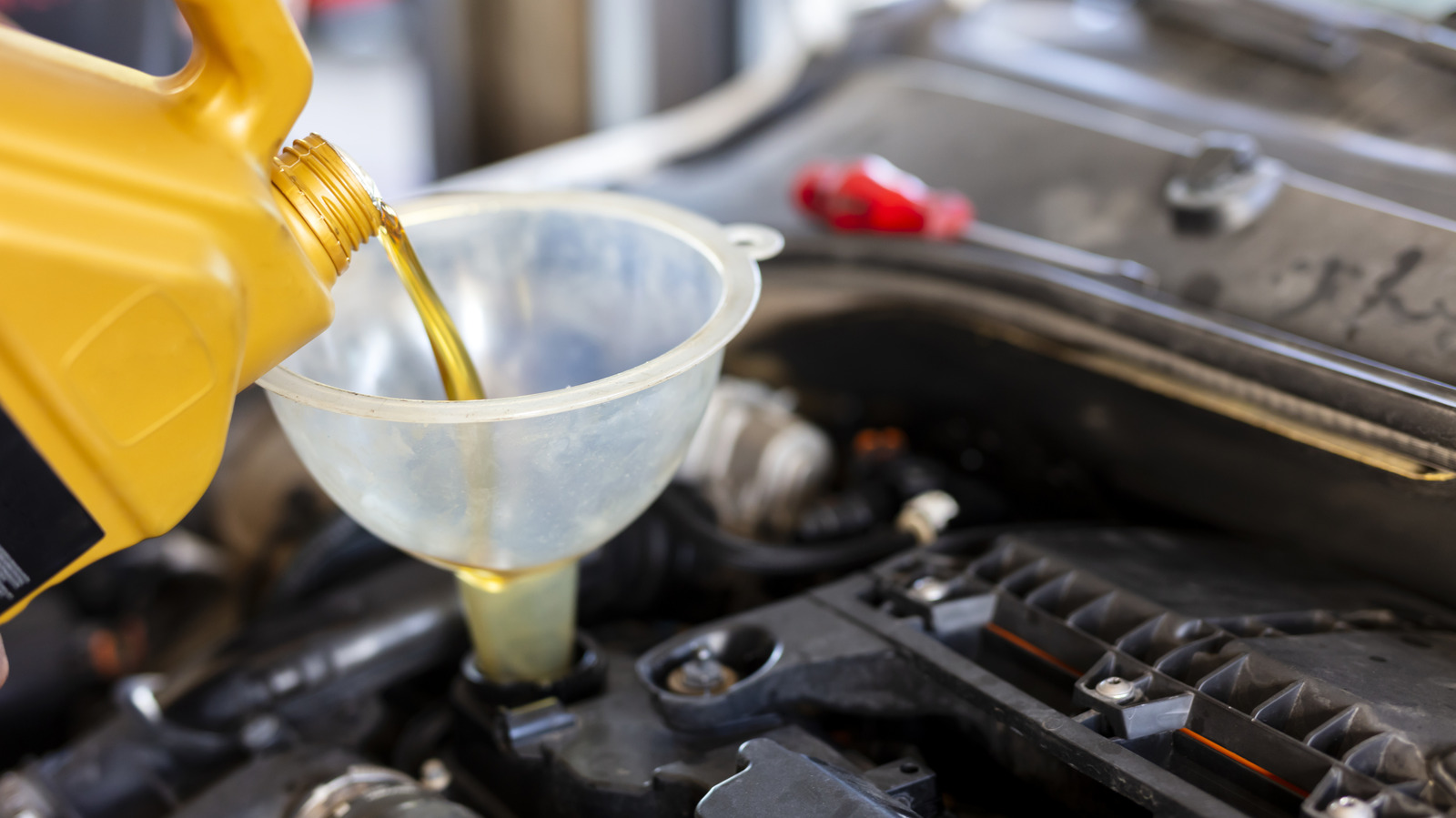


Twelve miles. That’s all the oil has covered in a 1988 HSV Commodore SS Walkinshaw that has sat in a garage since new, and it still needs to come out before anyone turns the key.
The odometer says the oil is fresh. The calendar disagrees.
Most drivers schedule oil changes by distance. Hit the mileage, swap the oil, repeat. That logic falls apart for anyone who barely drives.
Take a car that covers 1,000 miles a year on a 5,000-mile change interval. On paper, that oil lasts five years. In reality, it should be changed every six to 12 months, no matter how far the car has gone.
Oil doesn’t wait for the engine to run before it starts breaking down. Sitting still, it oxidizes. Moisture and dust creep into the system and degrade it slowly, no pistons required.
Where the car lives matters. A car parked outside endures temperature swings that age oil faster than the steady air of a garage.
How the car gets used matters too. The weekend runabout that only goes to the coffee shop and back may never get its oil hot enough to cook off the moisture that crept in while it sat.
Water in the crankcase does more than thin out protection. Left long enough, it can start corrosion on critical engine parts.
Owners shrug off rust underneath a car that sees salted winter roads. Rust inside an engine is another story. Unless you build engines for a living, you’re not opening the block to clean it out yourself.
Old oil also costs you at the pump. Fuel economy tends to slip as oil ages, a slow drain on the budget that few owners ever trace back to the dipstick.
Synthetic oil buys some margin. It holds up better and lasts longer than conventional oil. It doesn’t buy immunity, and regular changes are still recommended for both.
The six to 12 month window applies to the garage queen and the weekender alike, including cars that only see the road a couple of times a month. Those are exactly the cars owners tend to treat as low maintenance because they rarely move.
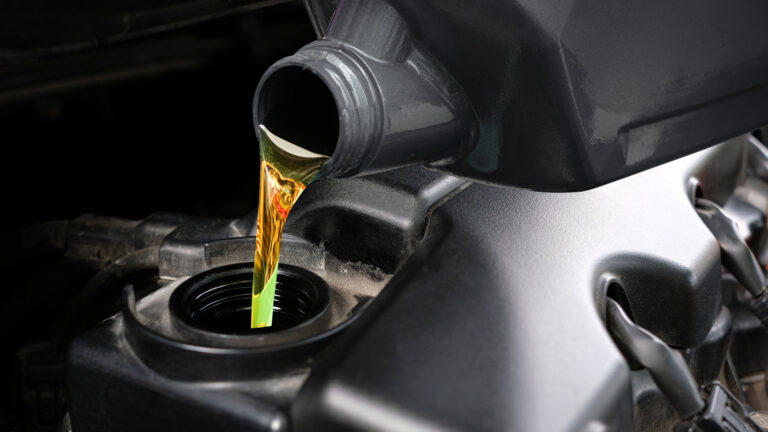
Checking takes no special tools. Pull the dipstick and look. Fresh oil looks like liquid honey, and if yours has gone dark, it’s due.
Contamination, debris, or sludge on the stick are even plainer warnings. Any of them means fresh oil before the next drive.
The habit is hard to break. Service reminders, windshield stickers, and decades of advice have trained drivers to watch the odometer and ignore the date. For a commuter racking up thousands of miles a month, the mileage arrives first and the difference never comes up.
For the growing number of second cars, collector cars, and vehicles that spend more time parked than moving, the clock is the number to watch. That Commodore has barely moved in decades, and its oil has been aging the whole time.


Share this Story