
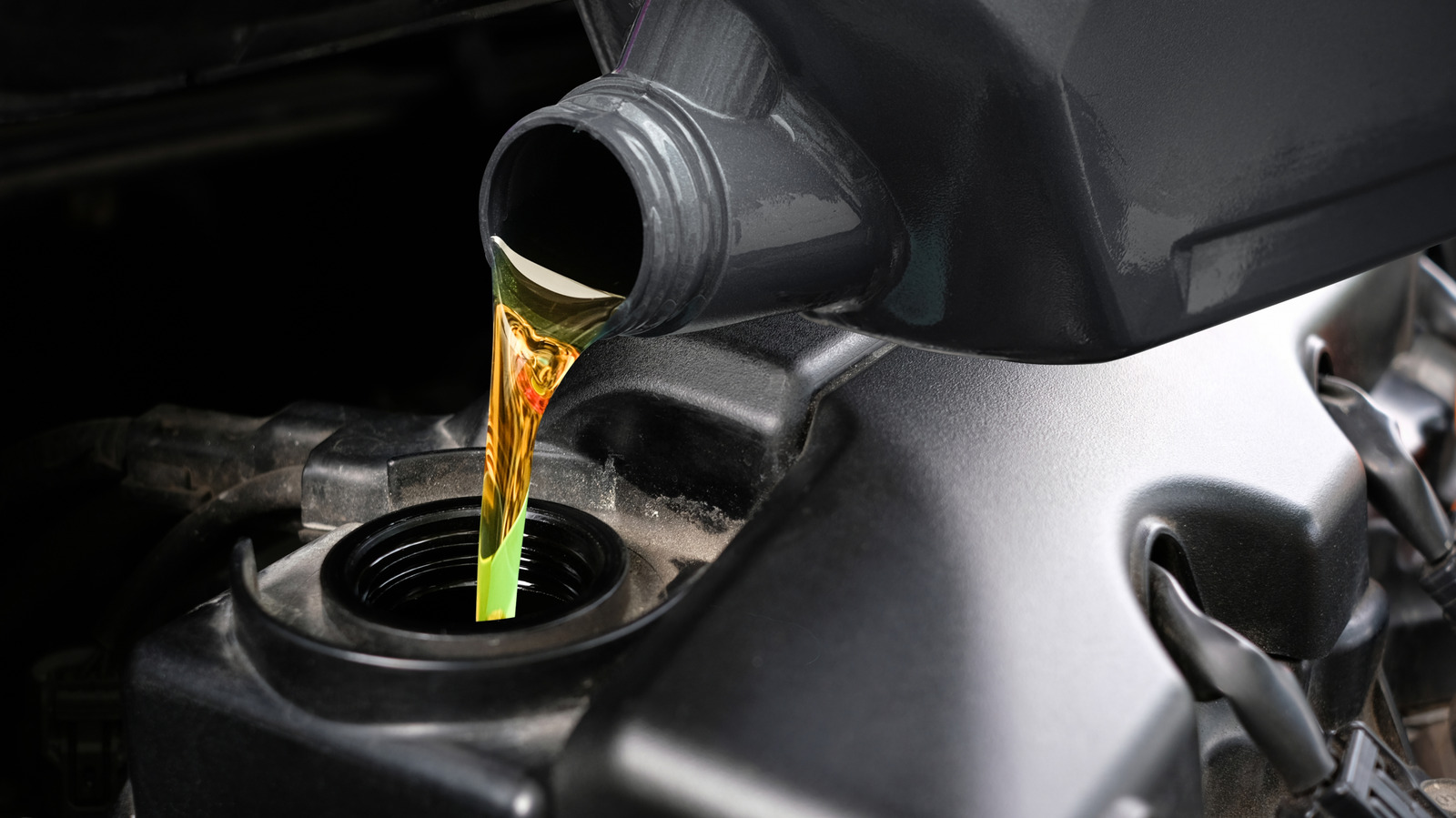


Twenty thousand miles. That’s how far some automakers say a modern engine can run before anyone touches the drain plug. It’s also a number that only holds up if your car lives a life most cars never get.
Bring up oil change intervals at any car meet and you’ll start a fight. One owner swears by the 20,000-mile figure in his manual and points to an engine that hasn’t blown up yet. Another insists anything past 5,000 miles is begging for a rod through the block.
Both are working from incomplete information. The real answer, as Carscoops’ Chris Chilton lays out, is the one nobody likes: it depends.
The old 3,000-mile, three-month ritual wasn’t superstition. Mid-century oils and engines were cruder, and the additives in conventional multigrade oil break down with age. The longer that oil stays in, the less protection the engine gets.
That chemistry hasn’t changed. Run an older car on conventional multigrade today and 5,000 miles is still the sensible limit, not 10,000.
What changed is the fluid. The thin, expensive synthetic oils that spread through new cars in the 1980s and 1990s resist breakdown far longer. That’s what automakers pour into the sump when they quote those long intervals.
Semi-synthetic sits in between. It’s tougher than old multigrade and cheaper than full synthetic, but AAA still puts its change interval at around 6,000 miles.
Here’s where the 20,000-mile promise starts to wobble. Buying synthetic doesn’t buy you the full distance.
Take two identical cars with identical engines and identical service schedules. One spends its life on long, easy freeway runs. The other does three-mile errands and rarely gets fully warm.
On paper they share an interval. In practice, the second car’s oil is working far harder.
Pennzoil lubricant specialist Sean Nguyen, writing on the Bob is the Oil Guy site, says short urban trips are especially hard on modern direct-injection engines. Fuel and moisture collect in the oil, and an engine that never reaches full temperature can’t cook them off.
What follows, according to Nguyen, is acid formation, corrosion and component wear. The same technology automakers sell as efficient and advanced is quietly getting punished by the commute most people actually drive.
His fix for owners who live a few miles from work is low-tech: a 30-minute drive once a week to burn off the built-up fuel and moisture. He also tells owners to stick with the interval in the handbook.
The handbook is where the fine print lives. Short-trip driving often falls under what manufacturers call “severe service,” a category with much tighter intervals.
Stellantis offers a sharp example. A Dodge Challenger Hellcat on severe service calls for fresh oil every six months or 6,000 miles, a long way from the headline numbers buyers hear about.
Low mileage isn’t a free pass either. Drive 3,000 miles a year and an annual change might sound generous, but oil still degrades in cars that sit parked for long stretches.
So the advertised interval is a ceiling, not a target. Treat the automaker’s time and distance figures as the most you should stretch. Shorten them if your car works hard, or if changing early helps you sleep.
An oil change runs a few dozen dollars. An engine rebuild doesn’t.
And somewhere at a car meet this weekend, the guy at 20,000 miles is still telling everyone his engine is fine.


Share this Story