
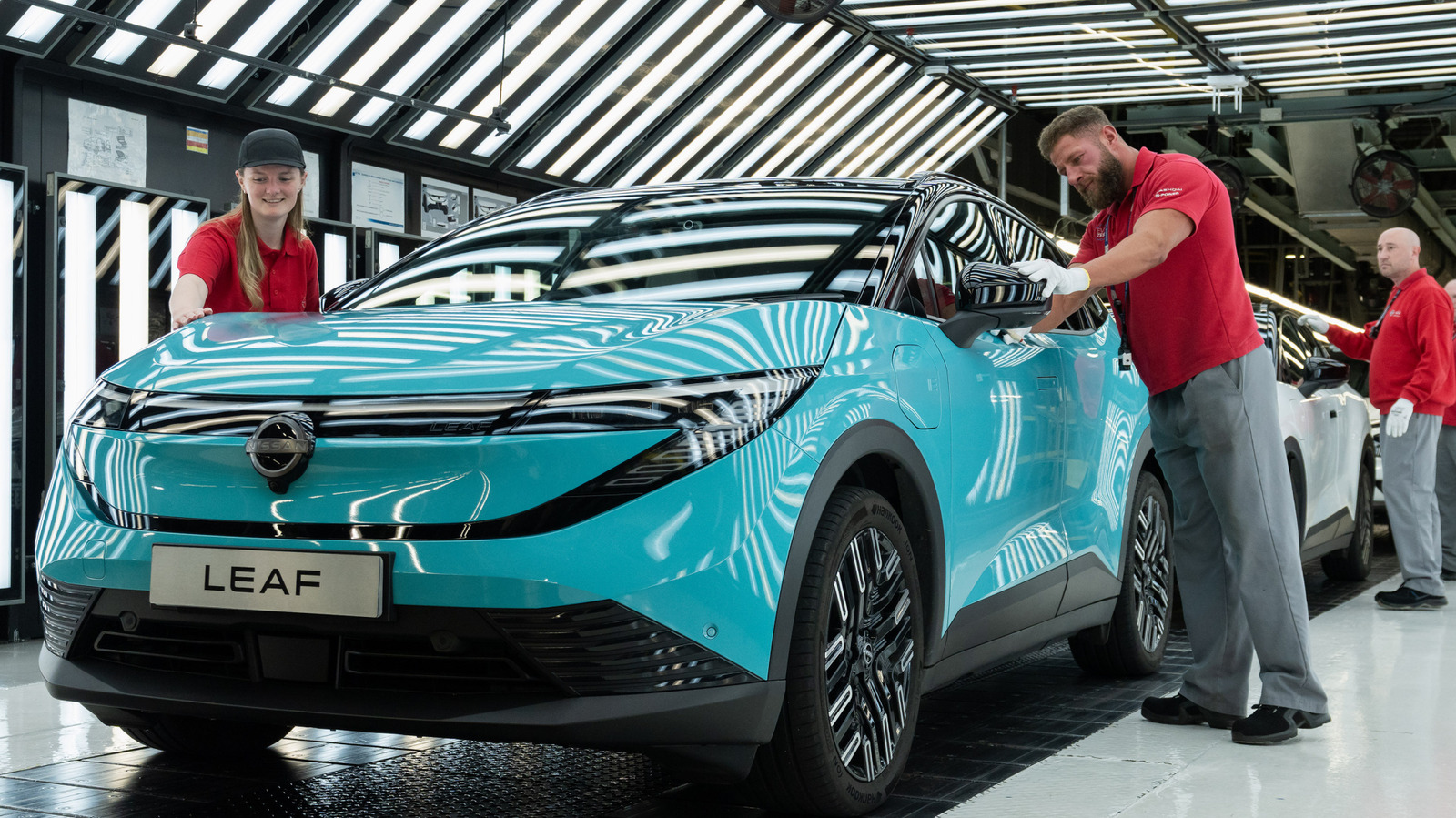


Eighty-two percent. That is the share of the 520,000 electric passenger cars projected for sale in 2027 that European automakers say would get hit with a 10% levy under rules they have known about since 2021.
The deadline is January 1, 2027. The industry wants it moved again.
According to the Financial Times, the European Union and the UK are weighing a delay to rules of origin requirements written into the final Brexit deal. Under those terms, any EV traded between the two markets without locally assembled battery packs would carry a 10% tariff.
The logic was simple enough. Build the batteries in Europe, trade freely. Source them elsewhere, pay up.
Five years later, most EVs built in the UK and EU still rely on Asian supply chains for the parts that matter most. The factories assembling the cars are local. The chemistry inside them largely is not.
ACEA, the lobby group for EU automakers, now wants the battery pack requirement pushed to 2030. A second requirement, covering European-made cathode material, would slide to 2032.
The UK is the single largest buyer of EU-built vehicles, taking 30% of them across the Channel. Going the other way, the EU is Britain’s biggest export market for EVs.
Trade between the two runs to roughly €80 billion ($88 billion) a year. Slap 10% on most of that and the math changes fast.
ACEA’s argument leans on China. European-built EVs, it says, would no longer be competitive against Chinese rivals if the levy lands. Those Chinese imports already face their own restrictions as Brussels tries to narrow its trade deficit.
The trouble is that the batteries and chemicals at the center of this fight come mostly from Asia, and many of them from China. The industry is asking for protection from Chinese competition so it can keep buying Chinese components without penalty.
The people who took the original rules at face value have noticed.
European companies that sank money into large-scale battery manufacturing are fighting the delay. So is the EU chemicals industry. They built capacity on the promise that a 2027 deadline meant 2027.
A delay rewards the carmakers who waited. It leaves the suppliers who moved early holding plants sized for demand that policy was supposed to guarantee.
There is a pattern here. The EU has already postponed its plan to go EV-only from 2035, a separate rule on a similar path. Targets get set with fanfare, then quietly renegotiated once the bill comes due.
Carmakers had years of warning on rules of origin. The supply chain did not follow, and now the regulation is expected to bend to meet it rather than the other way around.
Per the FT, a delay looks likely. How long it lasts is the real fight.
ACEA wants three years on battery packs and five on cathodes. Battery investors and chemical producers want none.
An unnamed UK official said serious negotiations are expected to start after the EU-UK summit set for November 20, 2026.
That leaves roughly six weeks between the summit and the deadline. Every automaker shipping EVs across the Channel will be watching which way the levy breaks, and who gets stuck paying for the plants that were built on schedule.

Share this Story