


BMW once tried to charge owners a fee to use heated seats already bolted into their cars. Buyers rejected it, but the architecture that made it possible stayed.
That architecture has a name: the software-defined vehicle. IBM’s definition is blunt. It’s a car whose core functions and features are controlled, updated, and enhanced through software instead of fixed hardware.
Put simply, the hardware you pay for at the dealer may be capable of more than it does the day you sign. The manufacturer decides when, and on what terms, you get the rest.
For decades, a car had one brain. The Engine Control Unit replaced hand-tuned carburetors and mechanical injection, running the engine with one eye on emissions.
Then the boxes multiplied. Automatic transmissions, once purely hydraulic, gained a Transmission Control Unit. Body Control Units took over courtesy lights, central locking, and ambient lighting.
Safety systems grew complex enough to need their own modules, and infotainment demanded another. Updating any of them meant a trip to the dealer and a cable.
That hassle is what automakers set out to kill.
The software-defined approach folds that sprawl into fewer, more capable control units built to take over-the-air updates, the same way a phone does. The automaker installs extra hardware at the factory and switches features on later.
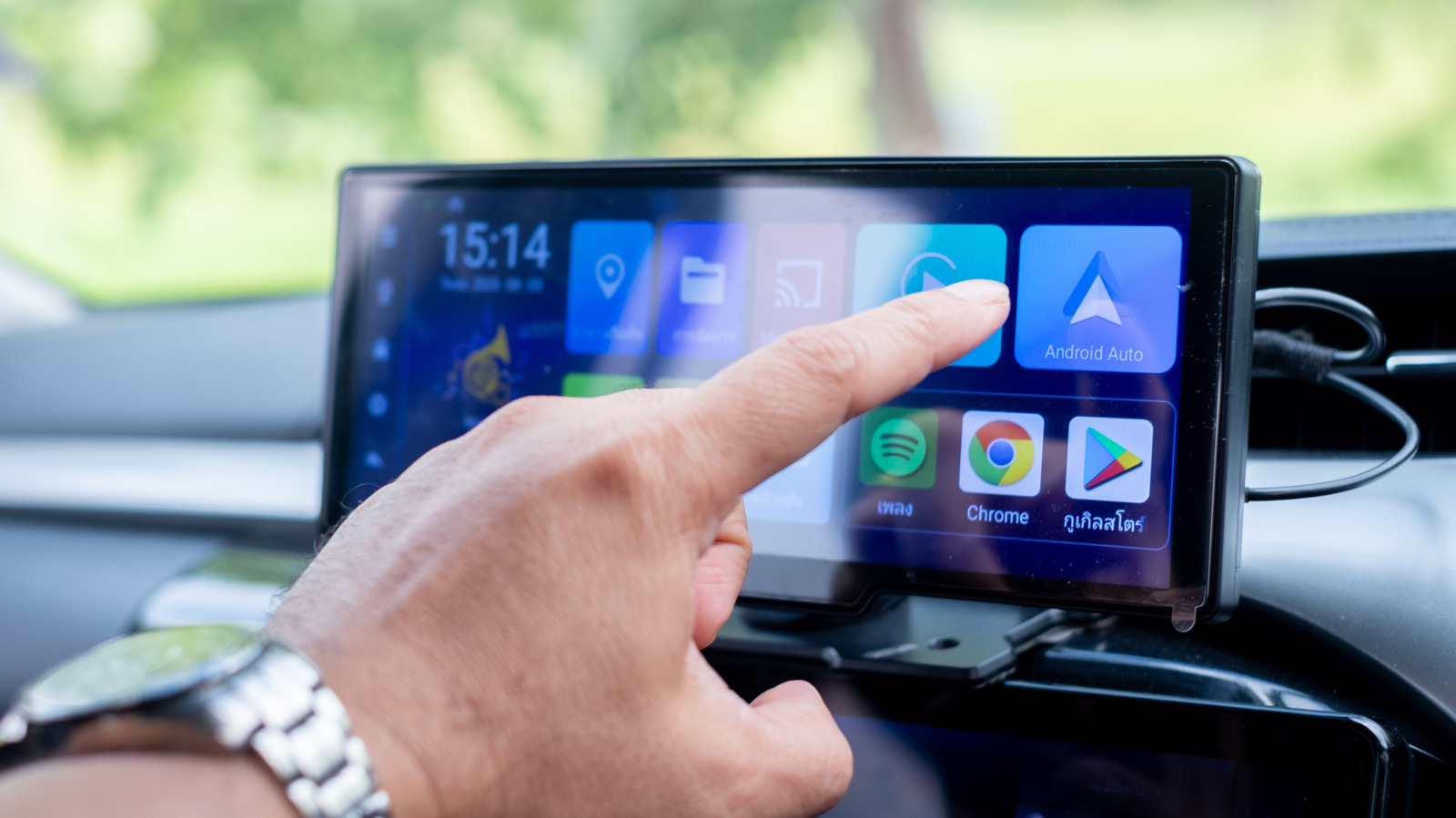
Sometimes the owner wins. Lucid improved its Android Auto and Apple CarPlay support after cars were already sitting in driveways.
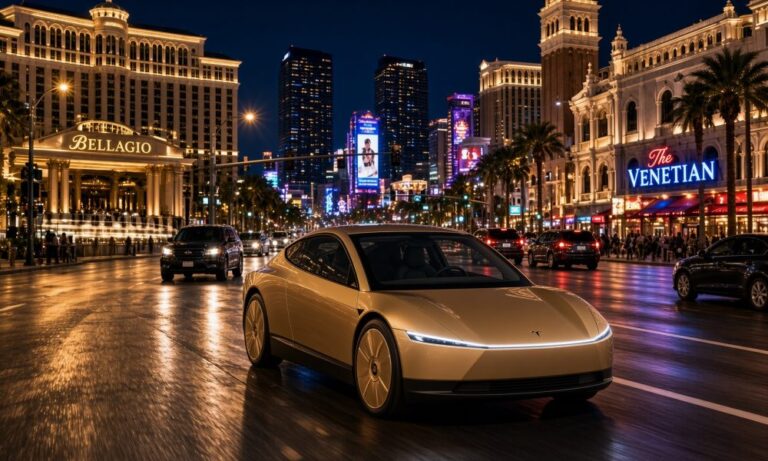
Tesla has built much of its reputation on driver assistance that changes with each software push. Features like automatic parking and semi-autonomous driving often arrive late on purpose, held back until they’re ready for the mass market.
But the pipe that delivers features can also deliver invoices. GM and Ford still charge recurring fees for their semi-autonomous driving systems.
BMW’s heated-seat scheme failed in the showroom, not in the engineering department. The ability to try it again is built into every car made this way.
What an automaker can give, it can take back. A feature can vanish overnight or return behind a subscription paywall. No 2006 sedan ever woke up with less than it had the night before.
Bugs carry higher stakes too. When code runs the car, a glitch isn’t just a frozen app.
Software faults can leave a driver stranded on the shoulder. In worse cases, a car can shut down in the middle of the freeway.
Even routine updates bring a new kind of annoyance. Some owners already find themselves stuck in the driveway until an update finishes, staring at a progress bar like they’re waiting on Instagram.
Then there’s the clock. A software-defined car stays whole only as long as its maker keeps supporting it.
Smartphones can lose software support within a few years. There are already reports of modern cars losing features once that support thins out.
A car built in 2006 still does everything it was meant to do in 2026, and will for the rest of its life. Nobody knows yet what a software-defined car will still do at age 20.
Automakers aren’t waiting to find out. They’re shipping the hardware now and deciding the rest later, one update at a time.

Share this Story