
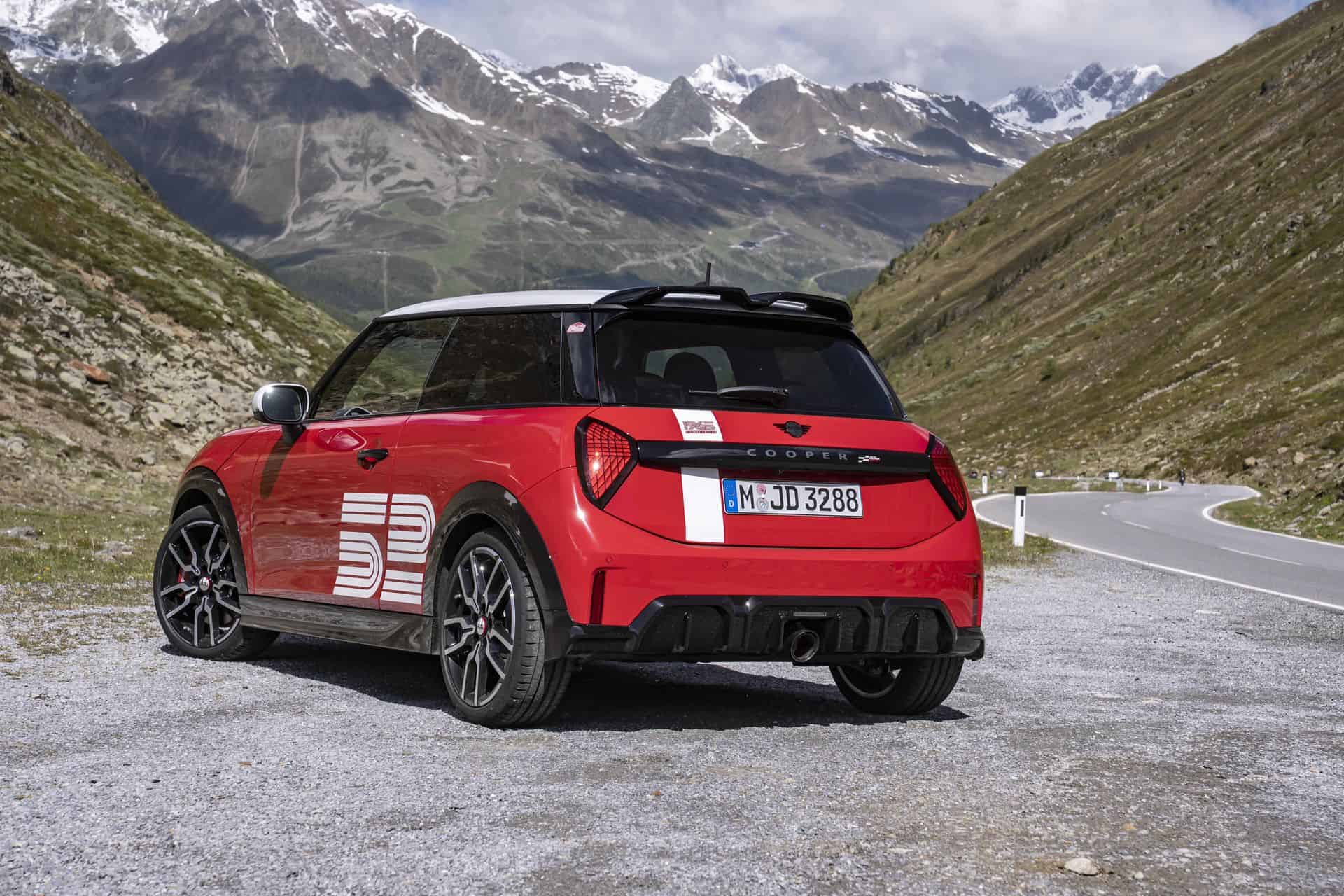


MINI delivered 70,712 cars between July and September. That is 1,702 fewer than the same quarter a year ago, a 2.4% slip that would normally draw a shrug.
This year, it draws attention. The smallest brand in Munich’s portfolio is the only automotive one still selling more cars than it did in 2025.
Through the first nine months, MINI moved 220,247 vehicles worldwide. That is up 6.8% from 206,252 over the same stretch last year.
Now look upstairs. BMW, the brand that pays most of the bills, fell 6.4% to 1,483,963 units through September.
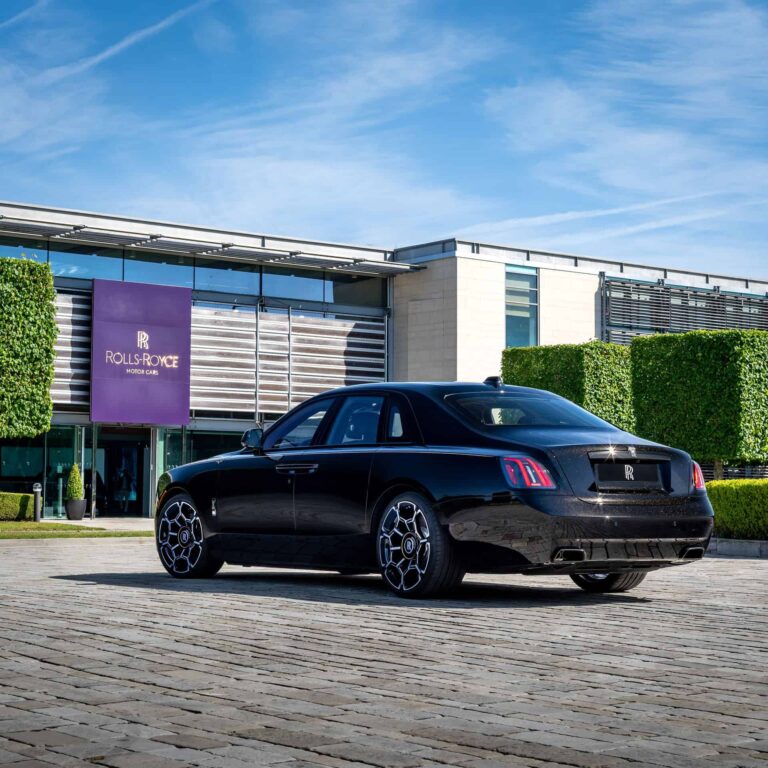
Rolls-Royce dropped 12.4% to 3,592 cars. Motorrad declined too.
The BMW Group as a whole delivered 1,707,802 vehicles through September, down 4.9%. The main culprit is China, where group sales collapsed 21.8% over nine months. Europe and the United States both grew.
That leaves an odd picture. The badge with round headlights and Union Jack taillights is outselling its own past while the kidney grille slides.
The EV numbers make the gap wider. MINI delivered 81,932 fully electric cars through September, up 11.5% from 73,467 a year earlier.
Battery-electric models now make up 37.2% of MINI deliveries, up from 35.6%. Across the entire BMW Group, the electric share sits at 18.4%.
So roughly one in three MINIs leaving dealers runs on batteries alone. For the group, it is closer to one in five.
Before anyone writes MINI off as an EV story, the company says growth came from both its electric and combustion models. The brand is not betting on a single powertrain to keep the numbers climbing.
The Countryman shows how that works. It was MINI’s best-selling model from January through September. It comes with either a combustion engine or a battery pack, and more than a third of buyers chose the electric version.
That is the simple bet behind the numbers. Build one car, offer a choice under the floor, and let buyers decide.
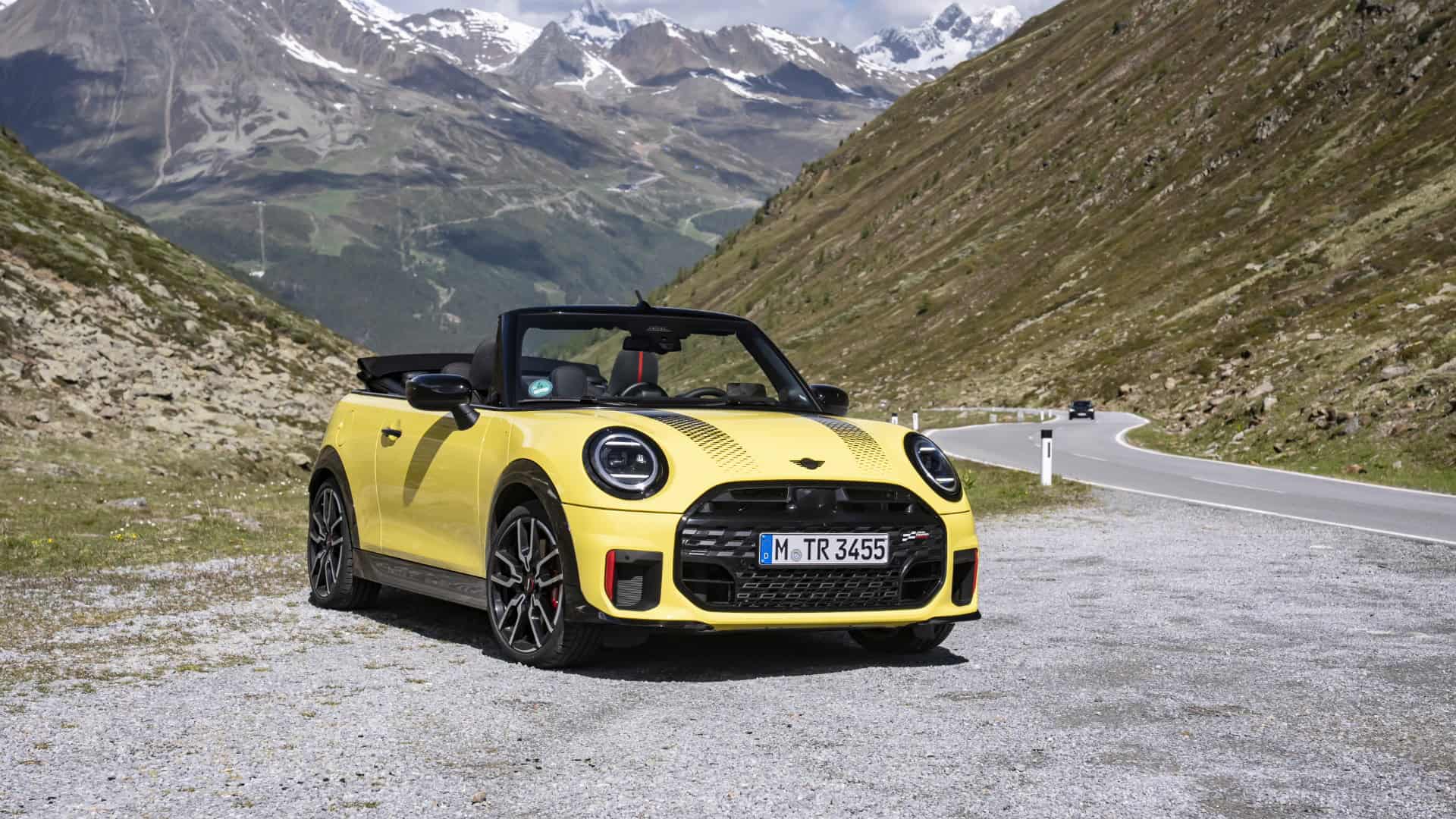
MINI is also leaning on models that have little to do with commuting efficiency. The company credits the John Cooper Works range for pulling buyers in. It also points to the Paul Smith Edition, a designer collaboration for people who want something less common.
Next in line is the Countryman Untamed Edition, which BMW Group expects to add momentum. The company has not said how much.
None of this erases the third quarter. A 2.4% drop is small, but it is a drop, and it came during the same months the parent company was bleeding volume elsewhere.
The year-to-date gain was built largely on a strong first half. Whether that cushion holds depends on the final quarter, and MINI has not given guidance on that.
Scale matters here, too. MINI’s 220,247 cars are a fraction of BMW’s nearly 1.5 million. One small brand growing cannot offset a 21.8% collapse in the group’s biggest problem market.
Still, the numbers show where the group’s momentum lives right now. It is not in the flagship sedans or the six-figure Rolls-Royces.
It is in a crossover with a round screen, a choice of engines, and buyers who keep picking the electric one.
Three months remain in 2026. MINI enters them as the group’s only automotive brand in positive territory, with a quarter that suggests the climb is no longer a straight line.
Share this Story