
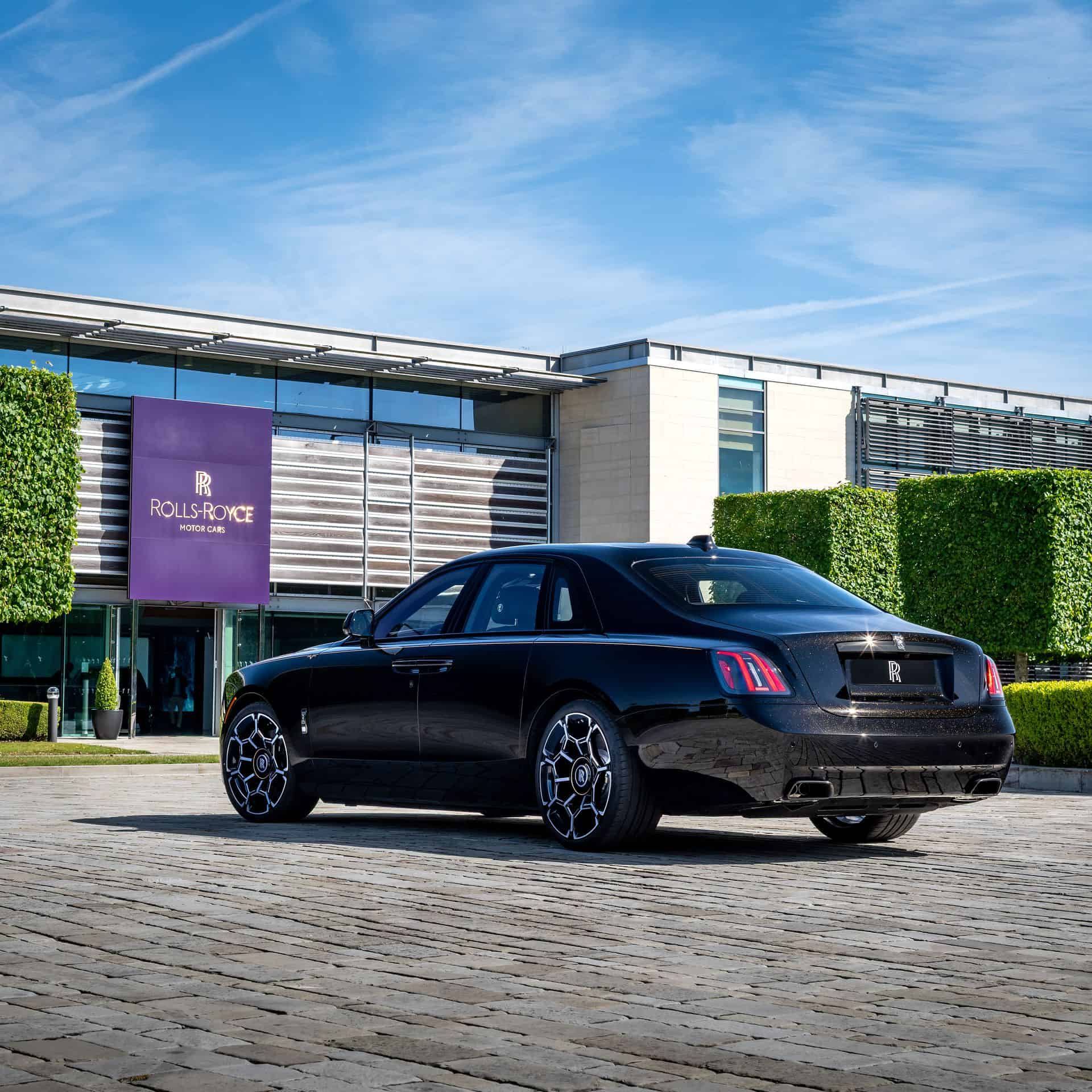


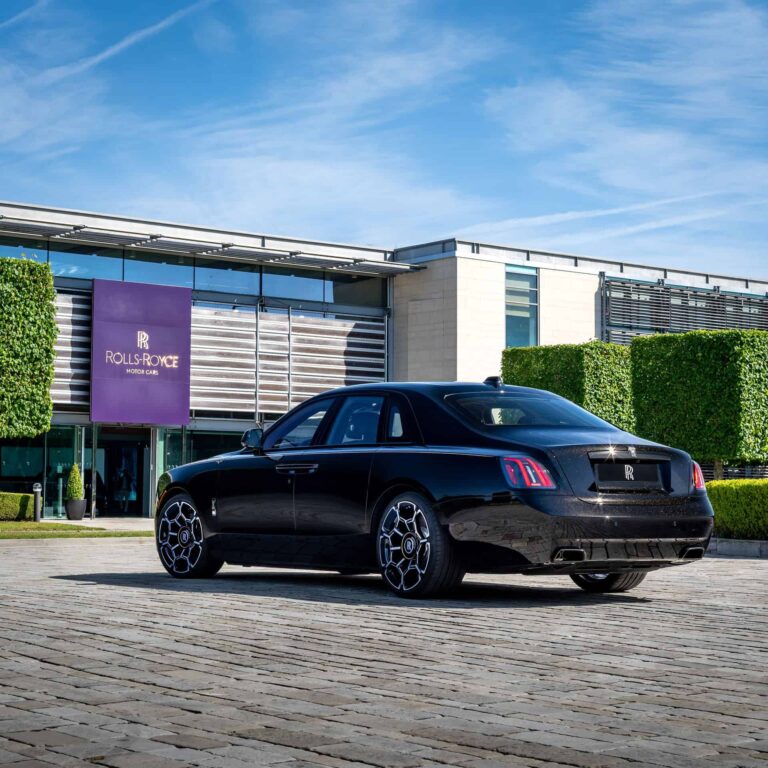
Rolls-Royce delivered 1,069 cars between July and September. A year earlier, Goodwood shipped 1,304 over the same three months.
That is 235 fewer cars in a single quarter, an 18% fall, according to BMW Group’s latest quarterly statement. For a company that builds by commission and counts in the hundreds, every one of those missing cars was a customer who did not sign.
The nine-month tally offers no cover. Rolls-Royce has delivered 3,592 vehicles so far in 2026, down 12.4% from 4,100 through September 2025.
Five hundred and eight cars, gone from the ledger.
The timing makes it harder to explain away. BMW Group grew sales in both Europe and the United States, two of the richest markets on earth. Rolls-Royce went the other way.
Inside the family, the contrast is blunt. BMW deliveries slipped 6.4% year to date to 1,483,963 units. MINI, the cheapest badge Munich sells, rose 6.8% to 220,247.
So the brand with the smallest price tags is growing. The brand with the largest is shrinking fastest.
The third quarter made the gap worse. Rolls-Royce’s 18% drop dwarfed BMW’s 6.8% and MINI’s 2.4%. That gives it the steepest decline of the group’s three car brands, both for the quarter and the year so far.
The standard defense is that Rolls-Royce has never been a volume business. It doesn’t need to move metal the way BMW does. Margin carries the balance sheet, and a single heavily commissioned Cullinan can be worth more than a showroom full of Coopers.
That logic holds until the decline runs this deep for this long. An 18% quarterly drop on top of a double-digit year-to-date slide is not a rounding error. It is a trend line.
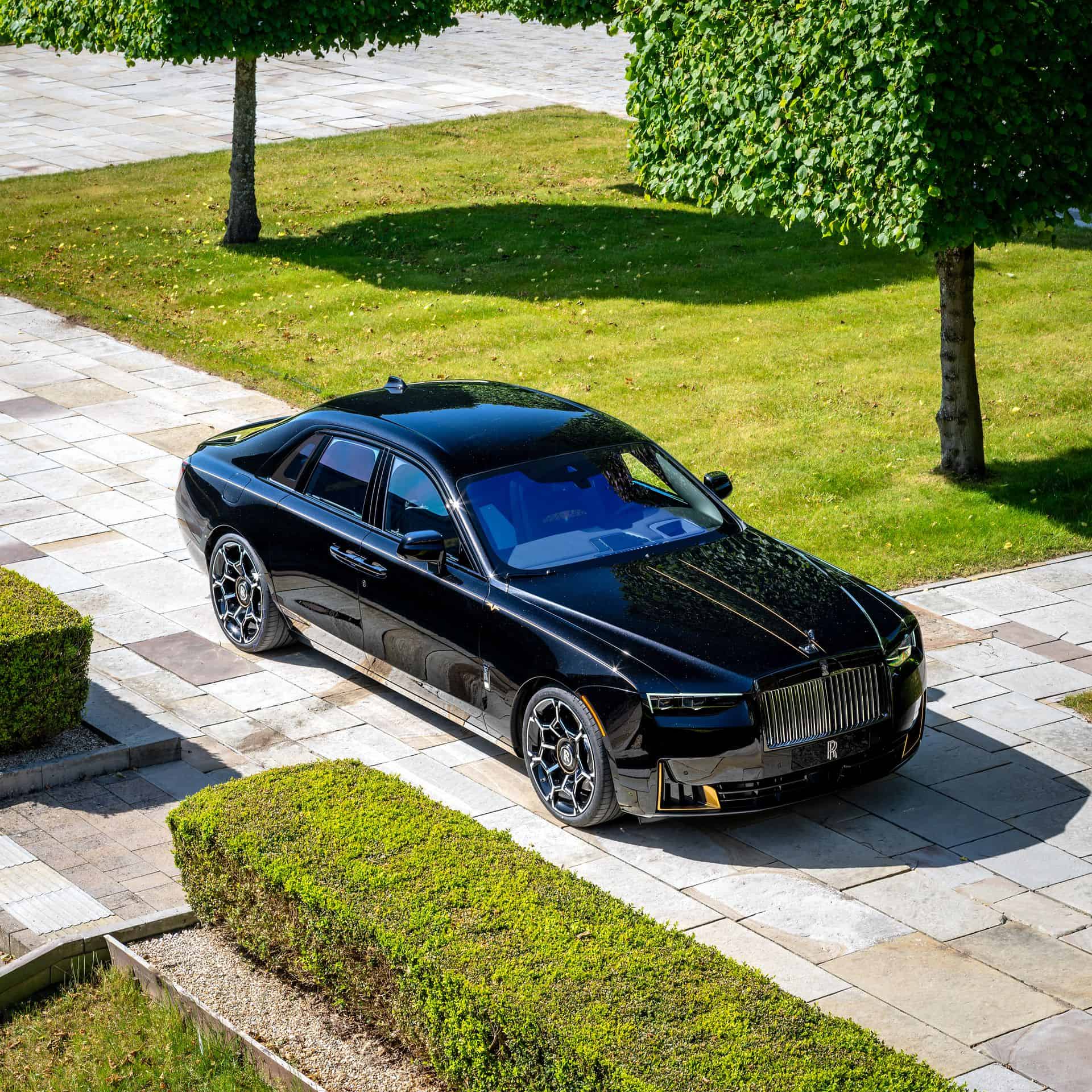
Help is coming, but it is not close. Rolls-Royce has an electric SUV due in 2027, currently running in camouflaged prototype form. It will give the brand a new way into luxury EVs and reach beyond the V12 Cullinan.
Its effect on the numbers likely won’t show in earnest until 2028, once production and deliveries ramp. Until then, the existing lineup has to carry a load it is currently dropping.
Munich has also crowded the top of its own house. BMW has relaunched ALPINA as a standalone sub-brand, positioned above regular BMW models and below Rolls-Royce.
On paper, the two don’t compete. In practice, wealthy buyers don’t shop by org chart. A customer weighing a very expensive ALPINA against an entry-level Rolls-Royce is exactly the customer Goodwood can least afford to lose right now.
The first real test comes with the 7 Series G72, due next year. Until it arrives, nobody can say how much overlap ALPINA will create.
One thing ALPINA will not offer is twelve cylinders. Neither BMW nor ALPINA plans to revive the V12, which leaves Rolls-Royce as the only address in the group for buyers who still want one.
That is a real exclusive. It is also tied to the same engine the brand is preparing to move beyond with its electric SUV.
Goodwood now has a year and a quarter to prove the slide has a floor. The final three months of 2026 will decide how much ground the EV has to make up when it finally arrives.
Share this Story