
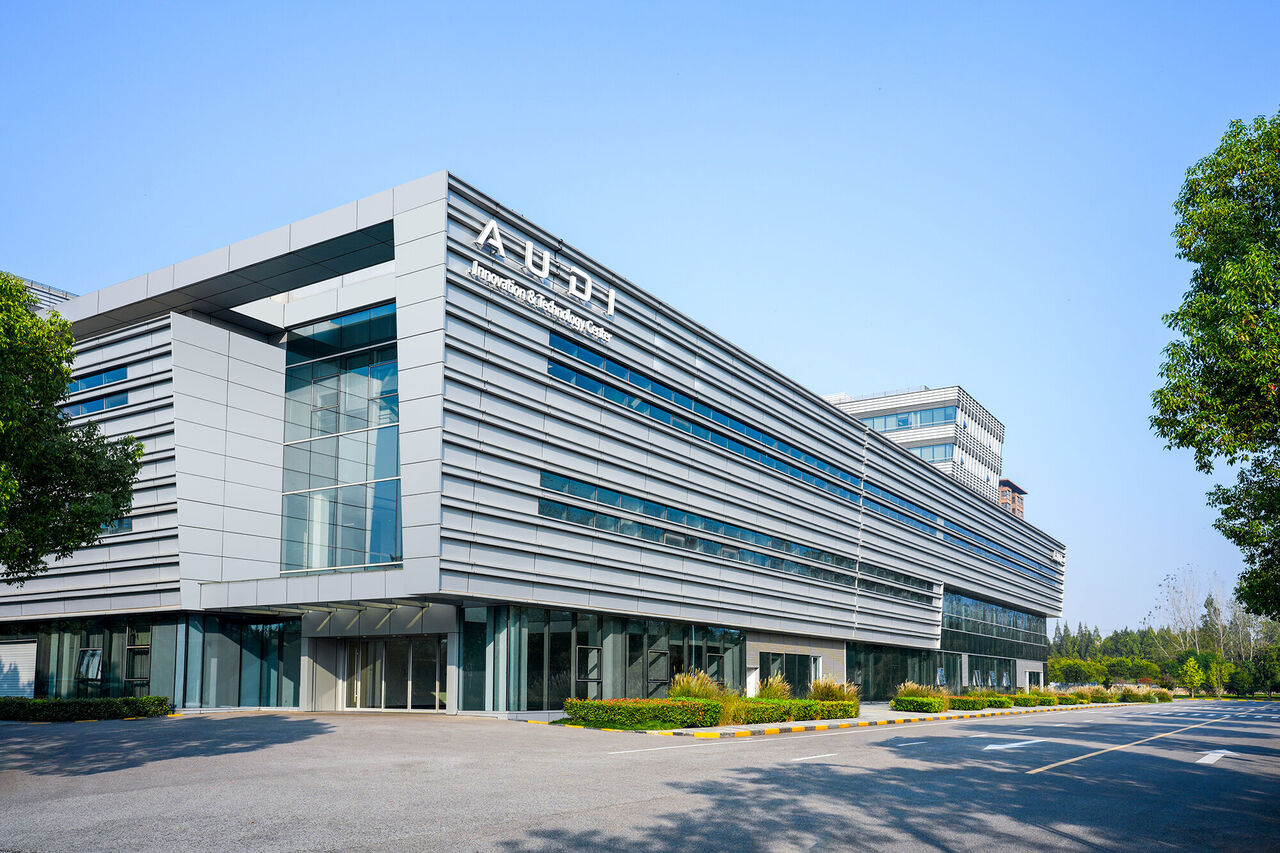


Three hundred engineers in Shanghai will now decide what the next generation of AUDI cars becomes, from first sketch to production readiness.
Audi and its partner SAIC are opening the AUDI Innovation & Technology Center, or AITC. It is the central development hub for AUDI, the capitalized, China-only sister brand the two companies founded in 2024.
Ingolstadt is not running this program from Bavaria and shipping blueprints east. According to Audi, the Shanghai center will steer “the entire development” of China-specific vehicles.
That is a long way from where German premium brands stood in China a decade ago. Back then, local engineering largely meant stretching wheelbases and softening suspension for back-seat passengers.
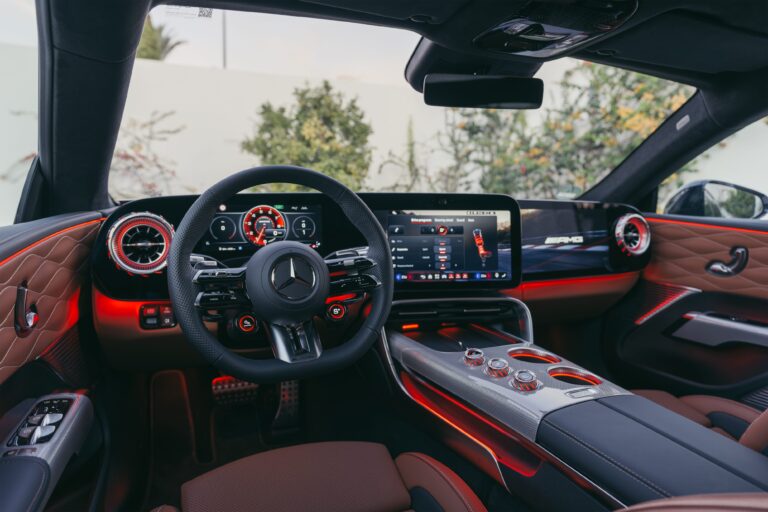
The AITC’s work centers on two areas: driver assistance and an AI-powered cabin. Audi talks about multimodal interaction, agentic capabilities and personalized in-car experiences for Chinese premium buyers.
To get there, the center is working with what Audi calls “a leading Chinese AI and cloud platform.” The aim is to build that company’s AI models into the vehicle architecture from early development.
Audi does not name the partner. For a brand that built its reputation on engineering it owns, the AI layer of its China cars is being shaped around models it does not.
The Shanghai team will also develop the next generation of the Advanced Digitized Platform, the underpinning for future AUDI models. Audi’s own FAQ identifies it as the platform’s second generation.
Leadership is split down the middle. Matthias Pfister is General Manager, and Shan Yunwei is his deputy.
The division of labor is laid out plainly. Audi brings engineering expertise, while SAIC brings what Audi calls “digital innovation capabilities” and deep ties to China’s tech industry.
Read that pairing carefully. The German side gets credit for chassis, safety and quality. The Chinese side gets the software, which is increasingly where Chinese buyers decide which car to buy.
Audi CEO Gernot Döllner framed the move around speed and proximity. “To succeed here, we need to develop close to our customers and rapidly translate new technologies” into products, he said.
He called the center “a targeted investment in our long-term competitiveness in China.” Audi did not disclose how much it is spending.
Fred Schulze, CEO of the Audi and SAIC cooperation, was blunter about who the brand serves. “AUDI was developed specifically for Chinese customers,” he said, citing “local development and fast decision-making.”
Fast decision-making is the phrase to watch. Chinese rivals have trained buyers to expect new models and over-the-air features on timelines that legacy development calendars were never built for.
The AITC is Audi’s answer. Short development cycles, an “agile” organization and continuous over-the-air updates all appear as stated goals.
The product cadence so far is modest. The AUDI E5 Sportback arrived in 2025 as the brand’s first production model, and the all-electric E7X SUV followed in May 2026.
A third model will complete AUDI’s first generation. Everything after that now runs through Shanghai.
Audi describes its China approach as two partners and two brands. The four-ringed Audi lineup continues alongside AUDI, which targets what the company calls particularly tech-savvy premium customers.
Audi promises the center will “translate Audi DNA into AUDI models.” How much of that DNA survives once a Chinese AI platform sits in the architecture from day one is now a question for those 300 engineers to answer.


Share this Story