
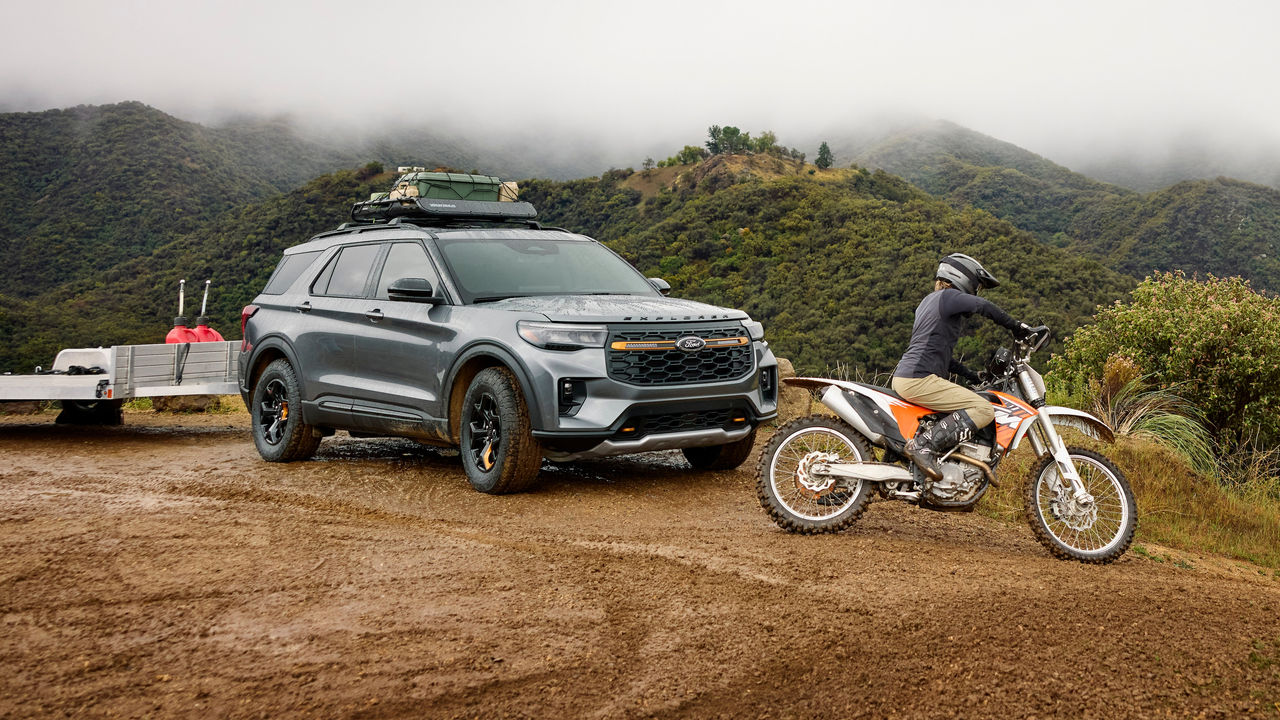


Ford posted retail share gains in the third quarter of 2026, propped up by a truck lineup that continues to do the heavy lifting. F-Series sales strengthened through September, and Super Duty turned in its best quarterly production run in 19 years.
That Super Duty number is the one worth watching. Nineteen years takes you back to 2007, before the financial crisis gutted the commercial truck market and reshuffled the entire industry. Hitting that mark now, in a period of tariff uncertainty and fluctuating fleet demand, says something about where Ford is placing its chips.
Large SUVs also contributed to the quarter, though Ford offered no specific volume figures in its announcement. The company framed the results around retail share, a metric that strips out fleet sales and focuses on what customers actually chose to buy off dealer lots. It is a more flattering lens than raw volume, and Ford knows it.
Executive Chair Bill Ford spent part of the quarter talking legacy rather than product, sitting down with TIME Magazine alongside Google CIO Ruth Porat and United Airlines CEO Scott Kirby to discuss what makes an iconic American company endure. It was the kind of appearance that signals Bill Ford is still thinking in decades, not quarters.
But the quarter was not all momentum and marketing polish.
Ford Credit and Lincoln Automotive Financial Services had to extend payment relief to customers in three states hit by severe weather. Hurricane Lala struck Hawaii. Tornadoes, storms, and flooding tore through Indiana, and wildfires scorched parts of Washington state.
The relief offers are standard practice for major automakers during natural disasters, but the geographic spread of the damage this quarter was unusual.
Ford also lost Jim O’Connor, a 40-year veteran who shaped the company’s sales and marketing operation across multiple eras. His passing on September 28 went largely unnoticed outside Dearborn, but inside Ford, O’Connor’s influence on how the company sells trucks and builds dealer relationships ran deep. You do not spend four decades at one automaker without leaving fingerprints on everything.
The truck-and-SUV story is familiar territory for Ford. It is also a strategic concentration that leaves little margin for error. When F-Series and Expedition carry the quarter, a stumble in either segment ripples fast.
General Motors has been pushing hard with its refreshed Silverado HD lineup, and Ram’s next-generation heavy-duty trucks are in the pipeline. Super Duty’s production surge looks smart today, but the competitive window will not stay open forever.
Ford’s EV push, once the loudest part of its quarterly narrative, was missing from this announcement. No mention of Mustang Mach-E, no Lightning updates, no Model e division metrics. The silence is its own kind of statement.
The company has spent the last two years recalibrating its electric vehicle ambitions after billions in losses, and the Q3 message was pure combustion confidence.
Retail share gains matter, but Ford did not disclose the actual percentage or the size of the gain. Without those numbers, the claim floats in a comfortable fog. The truck results are concrete. The rest is framing.
Ford enters Q4 leaning on the same pillars that have held it up for a generation, selling big trucks and big SUVs to American buyers who keep coming back. Whether that strategy is resilience or inertia depends entirely on what comes next.
Share this Story