
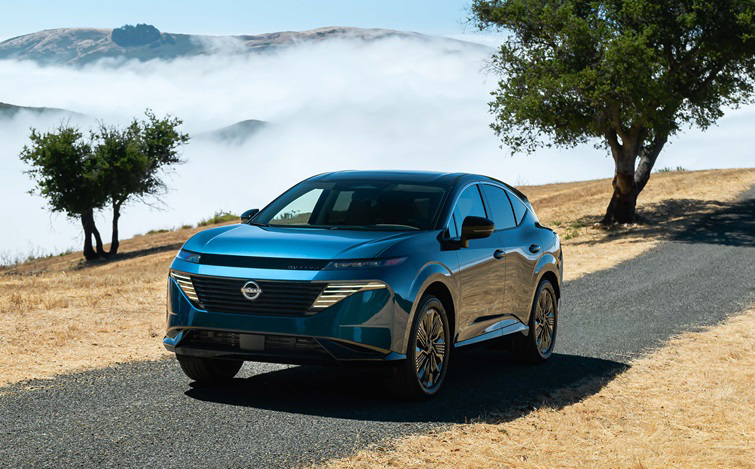


Nissan will export the Murano crossover from its Smyrna, Tennessee, plant to Japan, with sales starting early 2027. It’s a left-hand-drive American SUV heading to a right-hand-drive country — and Nissan isn’t the only Japanese automaker pulling this move.
Honda is already doing it. Toyota is expected to follow. The phenomenon of Japanese automakers reverse-importing their own vehicles from U.S. factories, steering wheels on the wrong side and all, would have been unthinkable a decade ago. Now it’s becoming a pattern.
The mechanism enabling this is a new certification system for U.S.-made passenger vehicles established by Japan’s Ministry of Land, Infrastructure, Transport and Tourism in February 2026. That regulatory change didn’t happen in a vacuum. It landed amid escalating trade tensions and tariff pressure from Washington, giving Japanese automakers a convenient path to demonstrate that American manufacturing feeds both directions.
Nissan CEO Ivan Espinosa framed the decision around product strength, noting the Murano was named Most Dependable Midsize SUV in JD Power’s 2026 U.S. Vehicle Dependability Study for the second consecutive year. “Murano is coming back to Japan,” Espinosa said, pitching the move as a way to “further strengthen its product lineup in Japan and meet the diverse needs of Japanese customers.”
That’s the official line. The unofficial math is more interesting.
Nissan is a company in survival mode. It has been cutting costs, slashing jobs, and searching for a partner willing to share the financial burden of its turnaround. Sending a U.S.-built vehicle to Japan checks multiple boxes at once: it demonstrates commitment to American manufacturing, it fills a gap in Nissan’s thinning Japanese lineup, and it does both without requiring a new production line or platform investment in Japan.
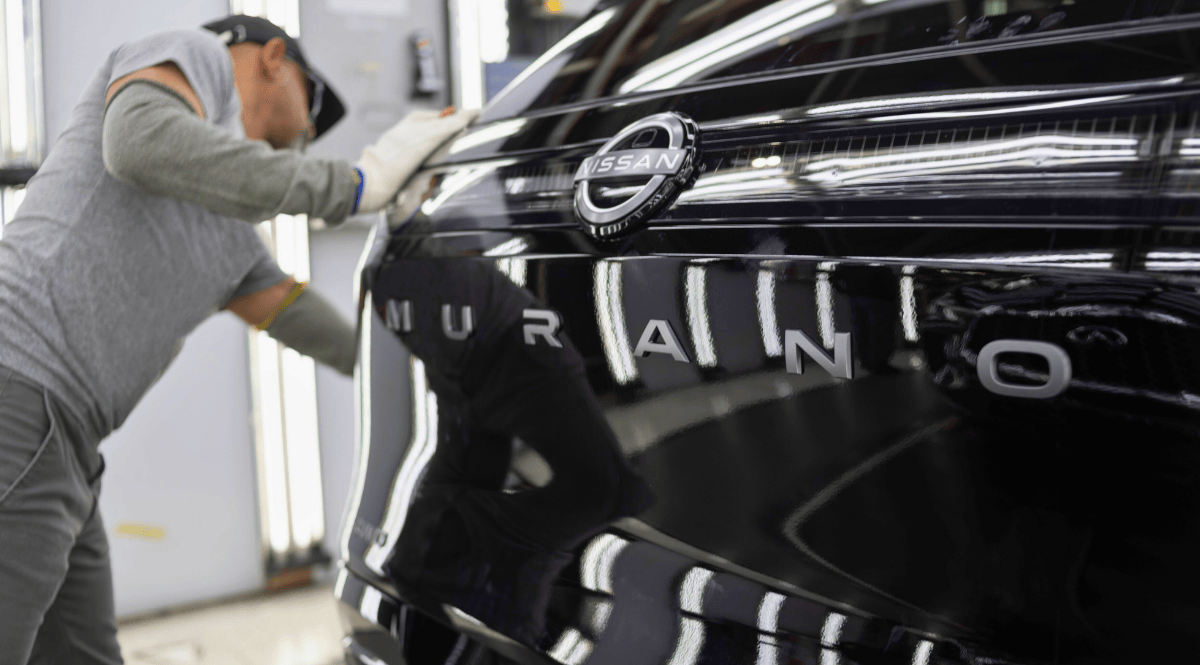
The Murano hasn’t been sold in Japan for years. Bringing it back as a left-hand-drive import positions it as something close to a specialty vehicle — an American-flavored crossover with an exotic twist for domestic buyers. Japan has a small but durable market for left-hand-drive cars. European luxury brands have long exploited it.
But Nissan isn’t Mercedes-Benz. Selling a Tennessee-built crossover to Japanese consumers who overwhelmingly prefer right-hand-drive vehicles, kei cars, and hybrids is a different proposition entirely. Volume expectations should be modest. This is a gesture as much as it is a business case.
The bigger story is the coordinated nature of the shift. When one automaker reverse-imports from the U.S., it’s a curiosity. When three do it within months of each other, aided by a freshly minted government certification pathway, it’s strategy. Japan is signaling to Washington that the trade relationship runs both ways — and its automakers are the chosen instruments.
For Nissan specifically, the timing is loaded. The company needs every political ally it can get as it navigates restructuring and potential partnership talks. Demonstrating that its U.S. plants export globally, not just sell domestically, gives it leverage in conversations with both governments.
Whether Japanese buyers actually want a left-hand-drive SUV from Tennessee is almost beside the point. The Murano’s journey across the Pacific is a trade negotiation dressed up as a product launch. The SUV is real. The volumes will be symbolic. The message is what matters — and everyone involved knows exactly who it’s aimed at.




Share this Story