
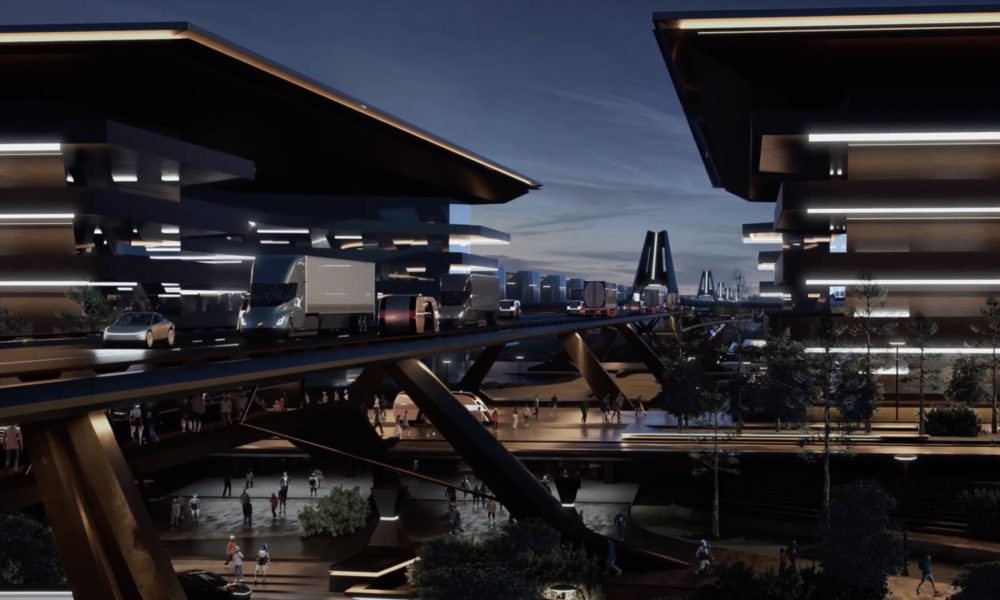


Five days was all it took for Elon Musk to go from “just discussions” to “let there be ZERO doubt.” On Monday, Musk flatly rejected the idea that TSMC would own or operate Terafab, the sprawling chip factory Tesla and SpaceX are building in Grimes County, Texas. The world’s largest contract chipmaker, he said, could rent space. Nothing more.
The whiplash started on October 2 when tech journalist Tim Culpan reported TSMC was exploring ways to help run Terafab’s production lines. Musk responded the next day with a studied maybe, calling the contact “just discussions, but something may come of it.” That vague confirmation sent speculation racing. By Monday, Musk slammed the brakes.
“No, we will build and run the fab,” he wrote on X. “Maybe TSMC subleases part of the Terafab if they want, but nothing more than that.”
A sublease is landlord language, not partner language. It puts TSMC in the position of a tenant, not a co-pilot. The distinction matters because Tesla and SpaceX have never manufactured a single semiconductor.
They design chips, then pay Samsung and TSMC to actually build them. Running a fab is an entirely different discipline, one that TSMC has spent three decades mastering.
TSMC chairman C.C. Wei has publicly said a new fab takes two to three years to construct and another one to two years before it hits full output. Tesla and SpaceX are attempting something with no precedent in the chip industry: building from scratch, at a scale Musk claims will eventually deliver one terawatt of compute annually. That’s roughly 50 times what the entire global AI chip sector produces today.
The first phase alone carries a $16.8 billion price tag. Total spending across all planned phases could reach $119 billion.
Intel remains in the picture. CEO Lip-Bu Tan told Bloomberg this week that his company will keep working on Terafab despite the TSMC noise. Intel signed on in April to help design, build, and package chips for the project using its 14A manufacturing process. That arrangement apparently survived the brief flirtation with TSMC involvement.
Musk’s reasoning is transparent enough. Terafab is supposed to feed chips to Optimus robots, Cybercab vehicles, Full Self-Driving computers, and SpaceX’s planned orbital data centers. Handing operational control of that pipeline to an outside company, especially one that also manufactures chips for every major tech competitor on the planet, would undermine the entire vertical integration play.
But wanting to run a fab and knowing how to run a fab are different problems. TSMC’s expertise attracted attention precisely because the learning curve is brutal. Yield rates, contamination control, and equipment calibration at the nanometer scale are not things you figure out by watching YouTube tutorials.
Intel spent billions learning that lesson with its own manufacturing stumbles.
SpaceX confirmed the Grimes County site in August, sent the county a $10 million payment under a tax abatement deal, and said civil work would begin shortly. Dirt is moving. Timelines are tightening.
Musk’s public posture this week suggests he views Terafab the way he views rockets and cars: as something his companies must own end to end. Whether that conviction survives contact with the realities of semiconductor manufacturing at scale is a question no one can answer yet, including Musk.

Share this Story