
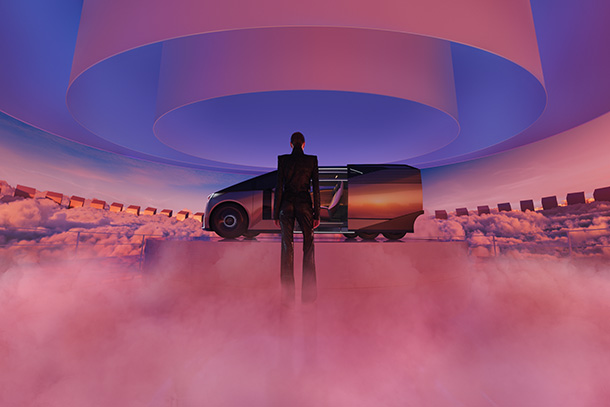


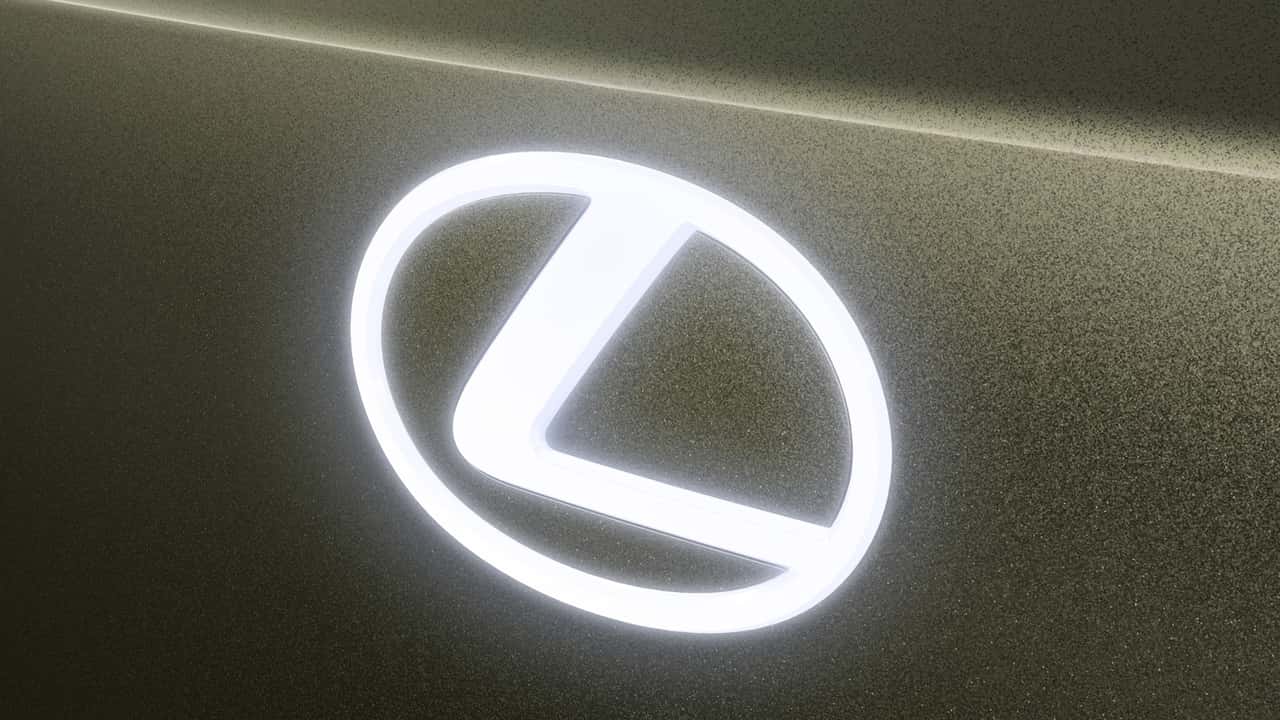
Lexus has confirmed it will exhibit at Milan Design Week 2026, continuing its yearslong courtship of the global design community. The announcement, posted to Toyota’s global newsroom, offered virtually nothing in the way of detail — no theme, no featured vehicle, no collaborating designer, no installation concept. Just the headline and a wall of cookie consent legalese.
That’s the story, and it’s worth unpacking why.
For over a decade, Lexus has treated Milan’s Salone del Mobile as sacred ground. The brand has used the annual design fair to position itself not as a carmaker but as a lifestyle entity — commissioning installations from architects, partnering with emerging designers, and staging elaborate sensory experiences in Milanese courtyards. The 2024 edition featured a collaboration with architect Suchi Reddy.
The 2023 show explored the concept of “time” through spatial design. Each year, the installations grow more abstract, more conceptual, more disconnected from anything that might sit in a showroom. And each year, the press releases get thinner.
This latest announcement is the logical endpoint: a commitment to show up with no indication of what will actually be shown. It reads less like news and more like a calendar hold. A placeholder dressed in brand equity.
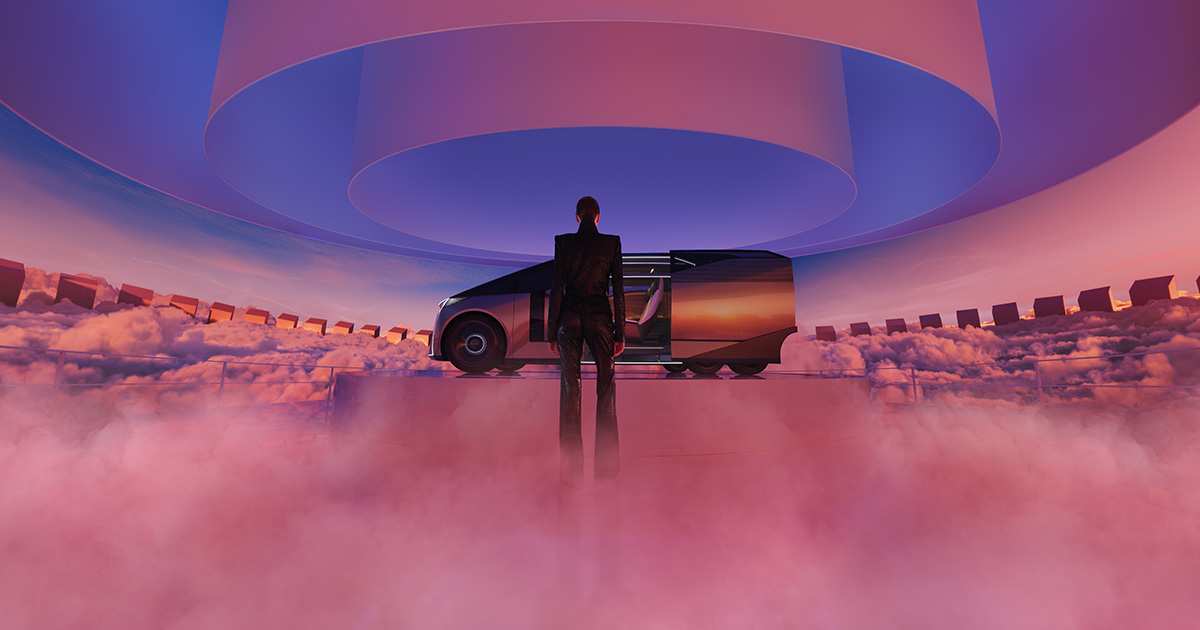
Lexus isn’t alone in this game. BMW, Audi, Hyundai, and Mercedes have all staked claims at Milan over the years, treating design week as a proxy war for cultural relevance. The logic is straightforward — affluent buyers increasingly shop by identity, not spec sheet, and nothing says “we’re more than a car company” like an immersive light sculpture in a 16th-century palazzo.
But the strategy has a shelf life. When every premium automaker is doing the same thing, the differentiation evaporates. The installations blur together, the press coverage shrinks to a photo caption, and the core question — does any of this sell cars? — remains stubbornly unanswerable.
Lexus faces a more pressing version of that question than most. The brand is in the middle of a difficult electrification transition. Its first dedicated battery-electric vehicle, the RZ 450e, landed with a thud — middling range, forgettable styling, tepid reviews.
The next-generation EV platform, built on Toyota’s long-promised solid-state battery technology, remains perpetually just over the horizon. In North America, Lexus sales are healthy but carried overwhelmingly by the RX, TX, and NX crossovers — gasoline-powered trucks that have nothing to do with Milanese design installations. The gap between what Lexus says it is at Milan and what it actually sells in Plano, Texas, has never been wider.
None of this means the Milan exhibit won’t be beautiful. It probably will be. Lexus has excellent taste in collaborators and the budget to execute.
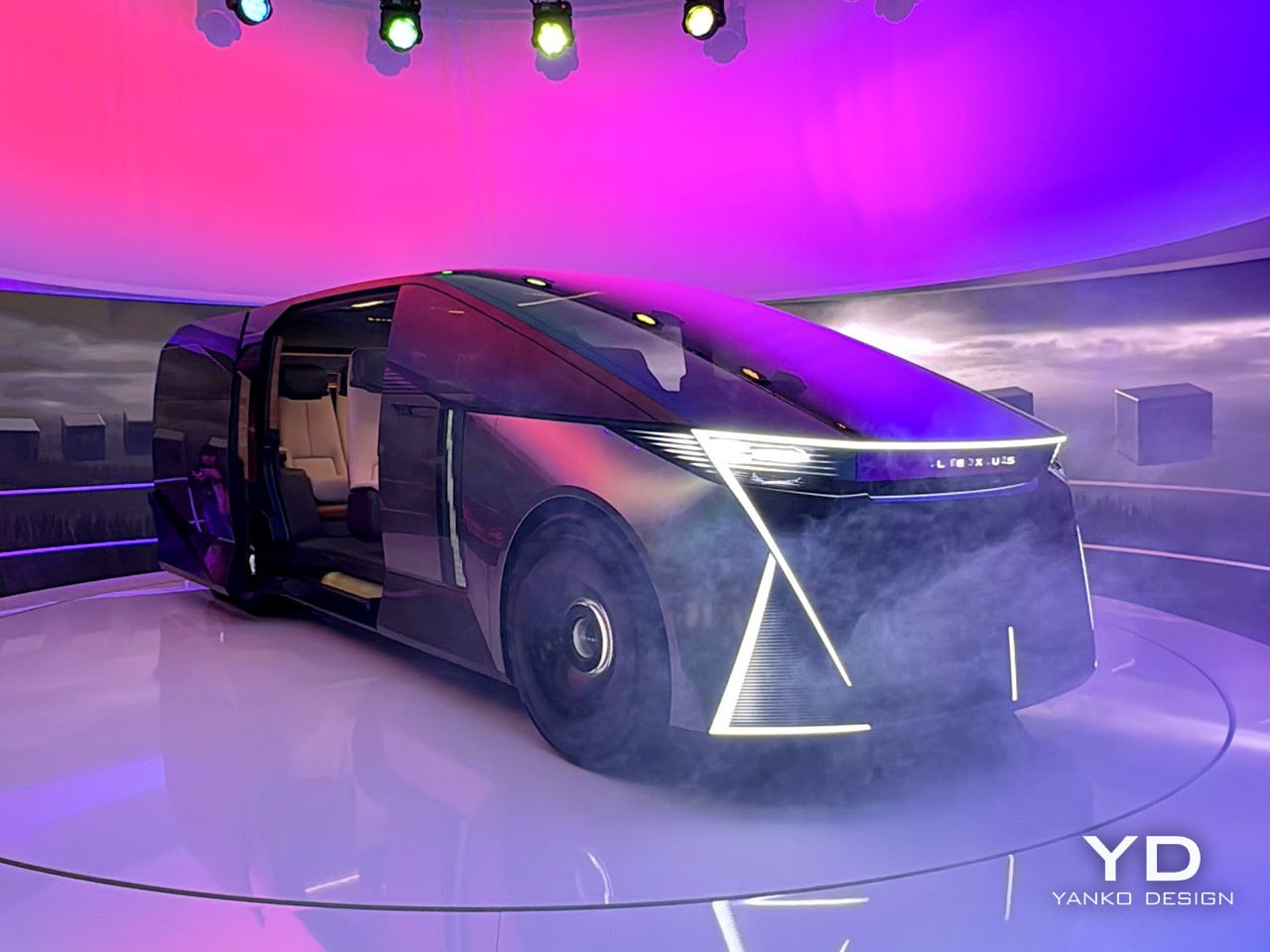
But beauty without substance is decoration, and decoration without context is wallpaper. A truly bold move would be to use Milan to debut something real — a design study for the next-generation electric architecture, a concept interior that signals where the brand’s cabin design is actually heading, even a provocative statement about materials sourcing or manufacturing sustainability. Something that bridges the gap between the art gallery and the assembly line.
Instead, we got a press release that’s 98 percent cookie policy and two percent commitment. Lexus will be at Milan. That’s all we know. For a brand that prides itself on the relentless pursuit of perfection, the announcement itself could have used another pass.

Share this Story