
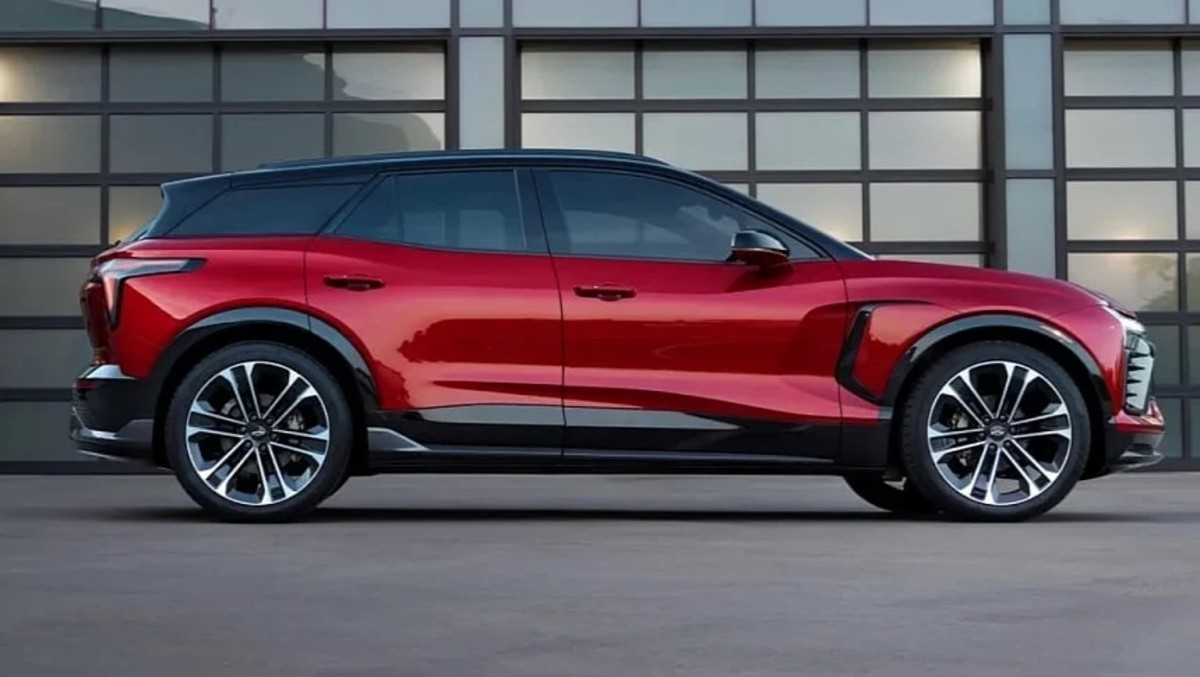


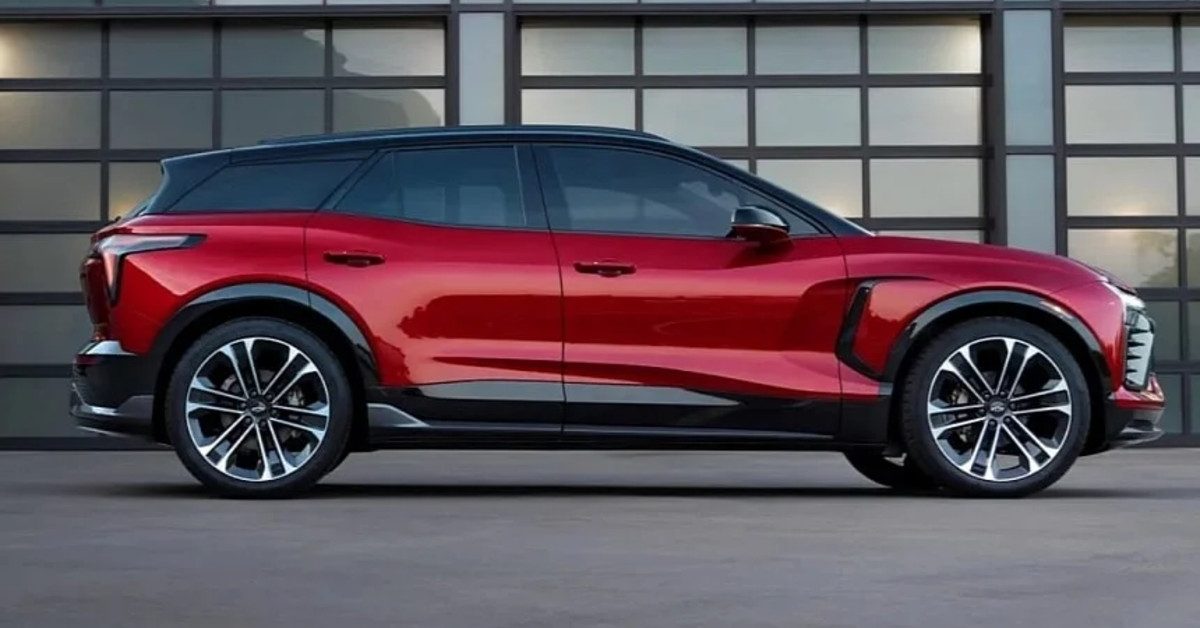
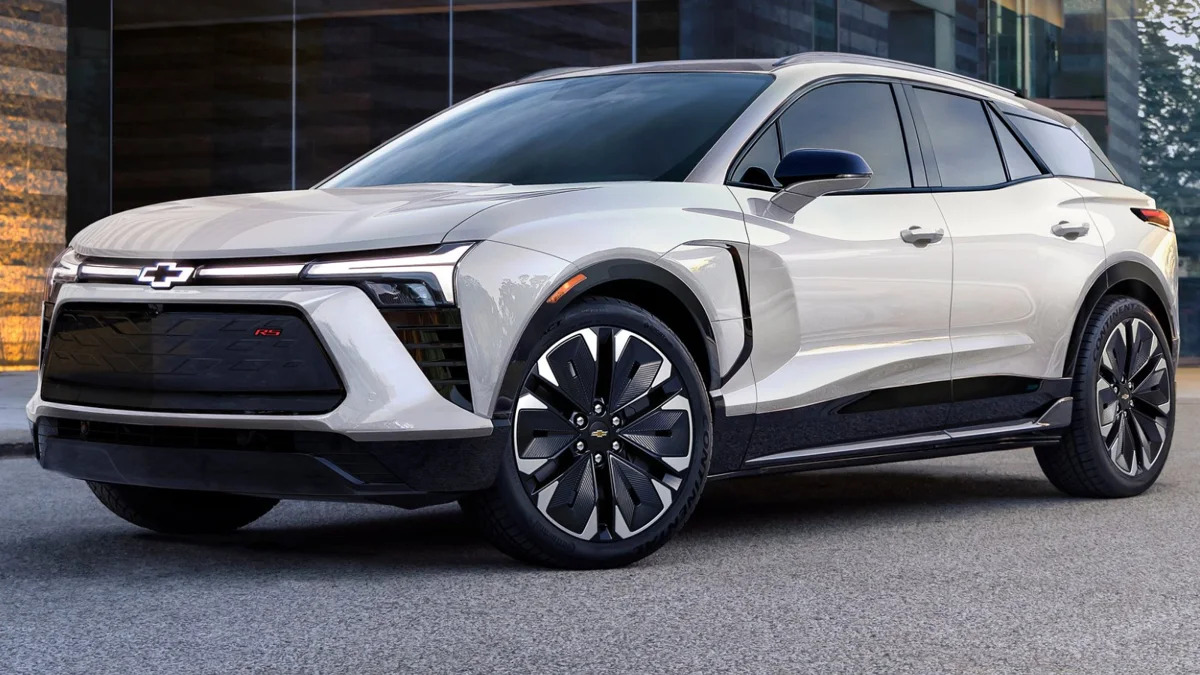
The 2027 Chevrolet Blazer EV will come standard with a Tesla-developed NACS charging port, GM confirmed this week. It marks another domino falling in what has become the most complete infrastructure victory in modern automotive history.
The Blazer EV follows the 2026 Cadillac Optiq, which became the first GM vehicle to ship with NACS. Every GM electric vehicle from the 2026 model year onward now carries the port Tesla designed and patented before opening it to the industry.
GM will include a CCS1 adapter in the box for owners who need to use older charging stations, a quiet acknowledgment that the connector standard GM once backed is becoming legacy hardware. The company framed it as “simplifying the customer experience while expanding access to more reliable charging.” Translation: Tesla’s Supercharger network is too big and too good to ignore.
That network is the gravitational force pulling the entire industry into alignment. Tesla operates the largest and most reliable fast-charging infrastructure in North America by a wide margin. Every automaker that adopts NACS sends its customers to Tesla’s front door.
The company that was once dismissed as a niche California startup now sets the literal standard by which every other EV plugs in. Let that sink in for a moment.
GM’s pivot has been remarkably fast. The company spent years investing in CCS, backing Electrify America, and positioning itself as a charging-agnostic player. Then Tesla opened the NACS spec, and within months the calculus changed entirely.
By early 2026, GM announced a full fleet transition. The Blazer EV confirmation is just the latest receipt.
They’re far from alone. Hyundai, Nissan, and Audi made the switch starting in 2025. Toyota and others have committed to NACS integration beginning with their 2026 models.
The holdouts are vanishing. CCS isn’t dead yet, but it’s on hospice, kept alive by adapters and aging public stations that will eventually get retrofitted or replaced.
The Blazer EV itself sits in a critical spot for Chevrolet. It’s meant to be an accessible, mainstream electric crossover, the kind of vehicle that needs to work for buyers who don’t want to think about charging protocols or carry a bag of dongles. Shipping it with NACS and a CCS adapter is the pragmatic move, but it also tells you where GM thinks the puck is heading.
The adapter is a courtesy, not a strategy.
What makes this story fascinating isn’t the technical switch. Swapping one plug shape for another is straightforward engineering. It’s the power dynamic.
A decade ago, GM was the establishment and Tesla was the insurgent. Now GM equips its vehicles to be compatible with Tesla’s network, uses Tesla’s port standard, and highlights Supercharger access as a selling point in its own marketing materials.
Tesla didn’t win the charging war by lobbying standards bodies or forming industry coalitions. It won by building the best network first, then daring everyone else to stay incompatible. One by one, they couldn’t.
The 2027 Blazer EV goes on sale later this year. When it does, it will plug into a Supercharger as natively as any Tesla. Five years ago, that sentence would have read like satire. Today it’s just the news.


Share this Story