
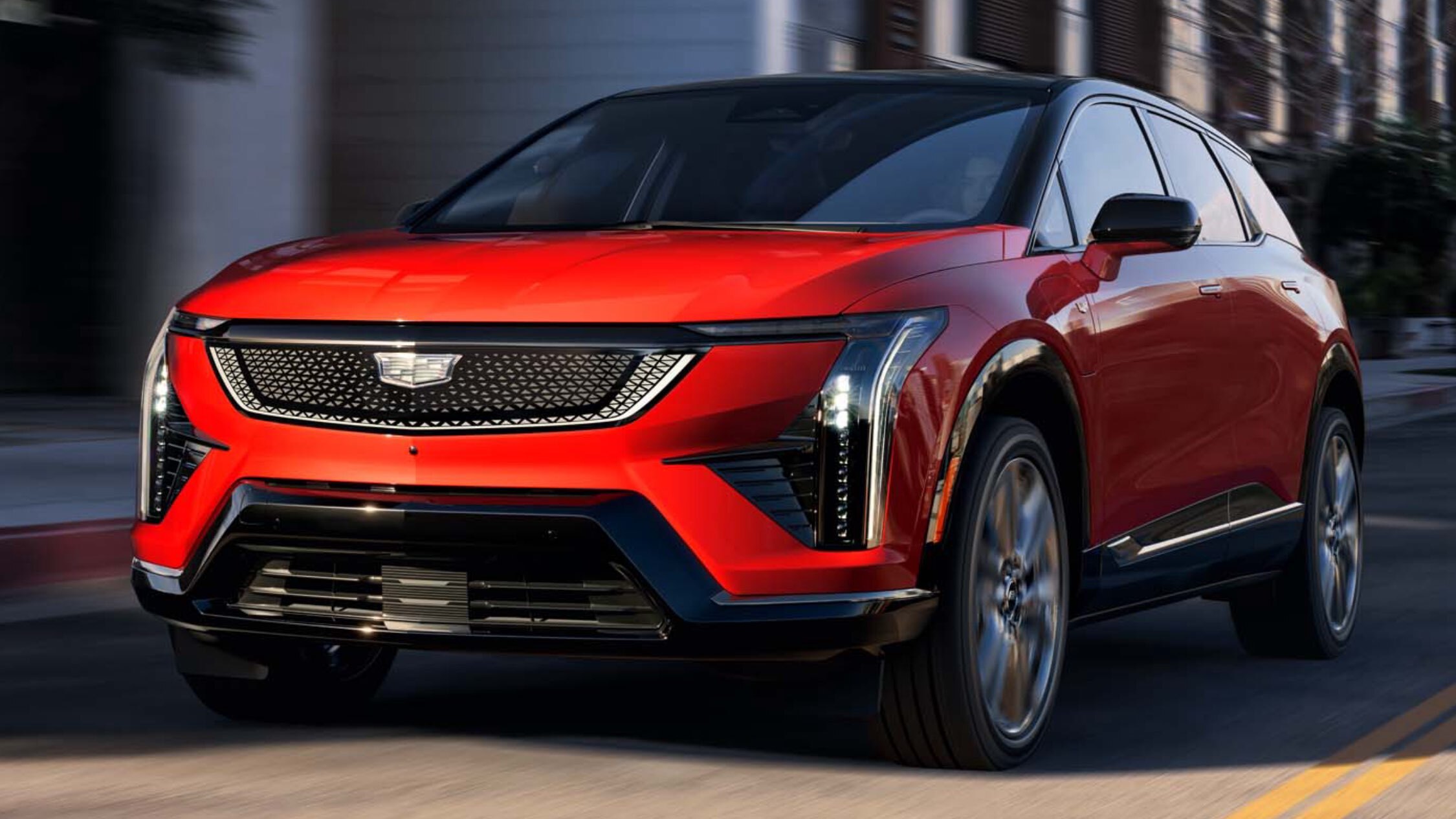


Nearly 30,000 Cadillac Optiq EVs are being recalled because their power windows might not detect an obstruction in the final half-inch of travel. The anti-pinch safety system, legally required on every car sold in America for more than two decades, can fail when windows are raised using the key fob’s express-up button.
GM pins the blame on supplier Kwangjin America, which it says programmed the upper travel range of the anti-pinch software incorrectly. The affected vehicles span model years 2025 through 2027, totaling 29,347 units.
Anti-pinch technology works by monitoring the electric motor’s current draw. When a window encounters resistance from a finger, a neck, or anything else caught in its path, the spike in current tells the motor to reverse. It is a simple and reliable system that has prevented countless injuries since becoming mandatory under Federal Motor Vehicle Safety Standard 118.
On the affected Optiqs, the system works as intended for most of the window’s travel. But in that last 13 millimeters before full closure, the glass may not stop and reverse if something is in the way. Thirteen millimeters is not much, but it is enough to trap a small child’s finger.
GM says it has received no reports of injuries tied to the defect.
The fix is straightforward. A software update to the Optiq’s Body Control Module at a GM dealership handles it, no parts replacement needed. Owners who have opted into over-the-air updates can skip the dealer visit entirely. The recall is about as painless as recalls get, assuming nobody gets hurt before the patch reaches every car.
The timing is awkward for Cadillac. This is the brand’s entry-level electric SUV, the one tasked with pulling younger, less loyal buyers into the fold. It is also not the only recent safety issue to surface in GM’s EV lineup.
The company recently halted shipments of the Cadillac Vistiq over third-row seats that could trap a child. Two child-safety-related problems in quick succession is not the kind of pattern any automaker wants to establish. That goes double for one trying to convince families that its electric vehicles are ready for daily life.
Separately, Cadillac is rolling out an infotainment software update across the Optiq, Lyriq, Vistiq, and CT5-V that enlarges virtual buttons on the touchscreen. Customers complained the existing touch targets were too small and too easy to miss while driving. It is a minor usability improvement, but it speaks to the kind of fit-and-finish friction that can erode confidence in a brand selling $50,000 vehicles.
A window anti-pinch calibration error is not a complex engineering failure. It is a supplier setting a parameter wrong. But the federal standard exists precisely because power windows can cause real harm, and the system is supposed to work every time, across every millimeter of travel, regardless of how the window is activated.
GM caught this one before anyone got hurt. The question Cadillac cannot afford to keep answering is why these things keep slipping through in the first place.

Share this Story