
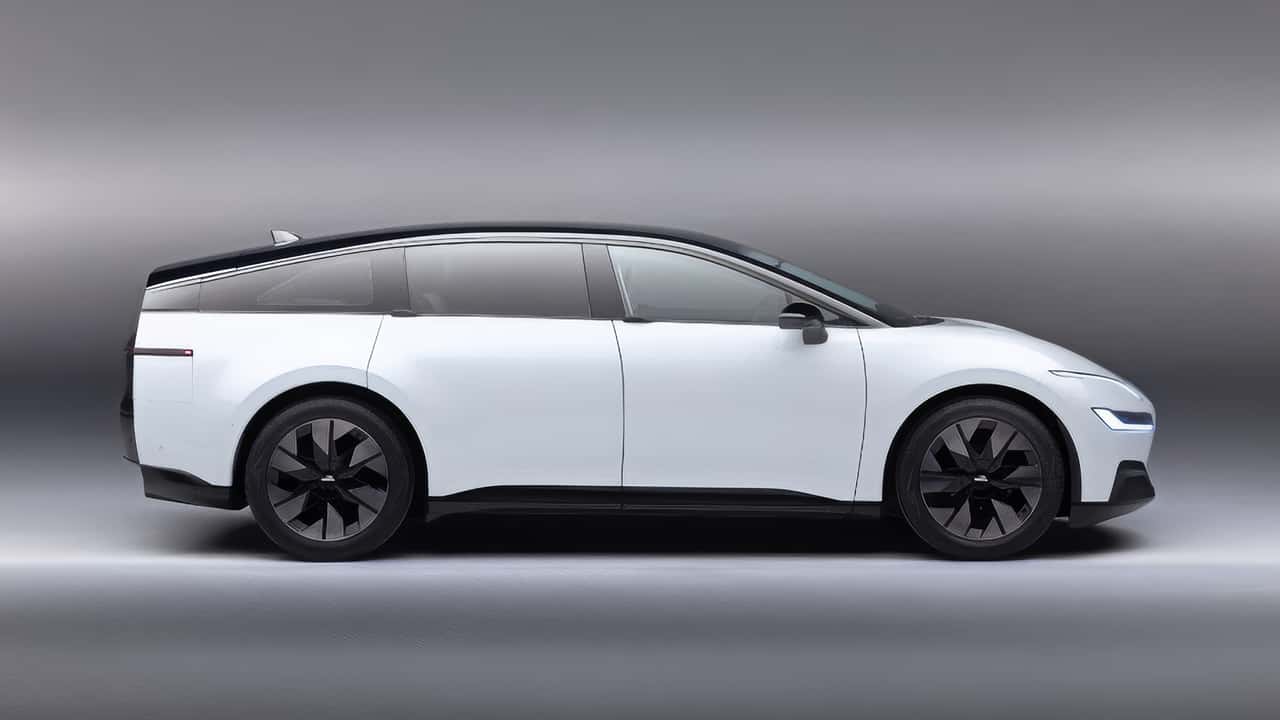


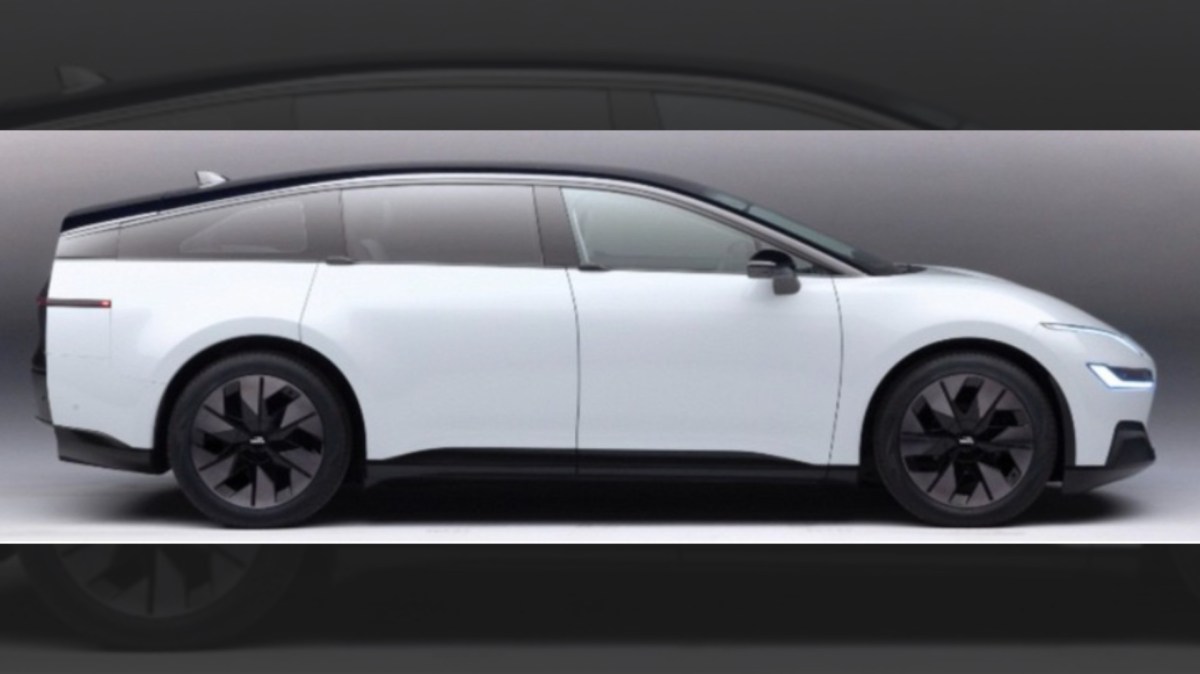
Doug Field, the now-retired head of Ford’s EV division, quietly posted it as his LinkedIn banner image nearly a year ago. Nobody noticed. Or if they did, nobody connected the dots. But that sleek, elongated silhouette was Ford’s canceled three-row electric SUV — the one CEO Jim Farley once promised would redefine the large EV segment.
Ford confirmed it to The Drive. “It is the 3-row SUV we cancelled in 2024,” a spokesperson said. “It is now a research vehicle that is informing our next generation of electric vehicles. You will see its significant influence on our next gen electric vehicles.”
That’s a remarkable admission from a company that, like most automakers, guards unreleased product designs like state secrets. The fact that it sat on a public social media profile for months without raising alarms says something about how thoroughly Ford buried this program.
The vehicle was supposed to arrive in 2025. It promised 350-plus miles of range, not through brute-force battery capacity but through radical aerodynamic efficiency. Ford’s internal description called it a “personal bullet train” — a seven-passenger SUV designed from the inside out, with a digital sanctuary interior and aero slippery enough to deliver extreme highway efficiency.
The specs were genuinely ambitious. High-rate charging would add 100 miles in six minutes. An extended-range variant would stretch to 550 miles. Ford was describing a vehicle that, on paper, would have leapfrogged everything in the segment — the Rivian R1S, the Kia EV9, the forthcoming Cadillac Escalade IQ.
Then August 2024 happened. Ford axed the three-row EV along with a wave of other pure-electric programs, including the next-generation F-150 Lightning. The company’s EV losses had been staggering — billions of dollars a year through its Model e division — and the market wasn’t growing fast enough to justify the spend.
What survived the purge was a pivot toward smaller, cheaper vehicles. Ford is now betting heavily on a compact electric pickup truck aimed at a $30,000 price point, riding on a new platform that will underpin several affordable EVs. It’s a fundamentally different strategy than the one that produced the bullet train concept.
Instead of a flagship that would wow with technology and range, Ford chose volume and accessibility. The irony is thick. Ford had something that looked genuinely differentiated in a segment full of bloated, heavy electric trucks, and it killed it precisely because the economics of large EVs remain punishing.
The battery costs alone for a 350-mile three-row would have been brutal, even with the aero tricks. Ford says the research isn’t wasted. The company insists the bullet train’s “significant influence” will show up in future products.
That’s the standard consolation language automakers use when billions of dollars in development get redirected rather than discarded. Sometimes it’s true. Sometimes it’s a press line.
The real question is whether Ford can execute the affordable EV strategy before the window closes. The $30,000 pickup has to arrive on time, on budget, and in a tariff environment that changes by the week. Ford has not historically been great at hitting all three marks simultaneously.
Meanwhile, the most exciting EV Ford ever teased sits as a research mule somewhere in Dearborn, its LinkedIn debut already ancient history. A vehicle that promised to change the game, quietly reduced to a banner photo that nobody recognized on a retired executive’s profile page. That’s how moonshots end — not with a bang, but with a crop and a scroll.
Share this Story