
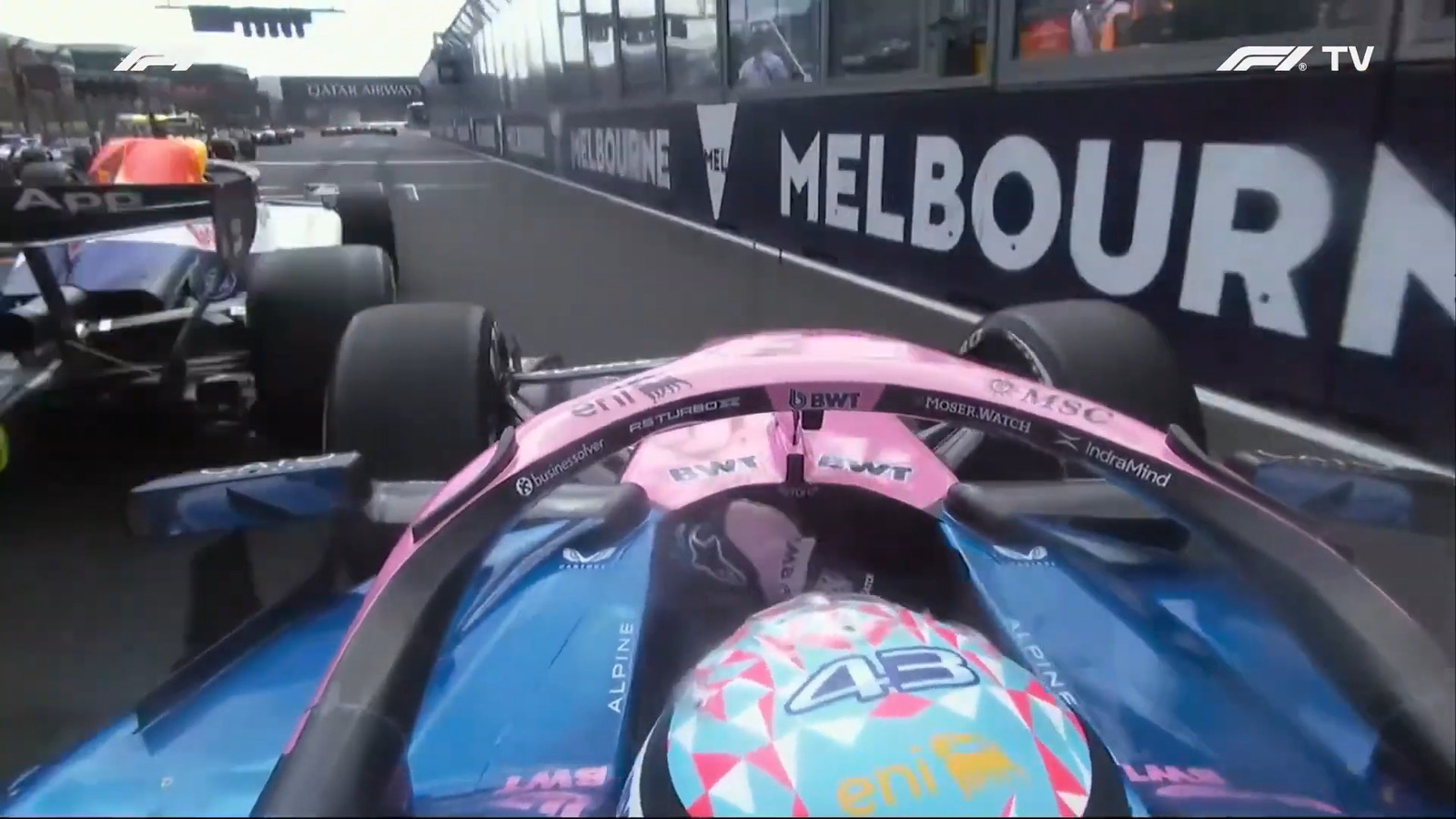


Liam Lawson was braced for impact. Sitting nearly stationary on the Melbourne grid after an anti-stall launch, the Racing Bulls driver watched Franco Colapinto’s car barrel toward him at full speed. Only a split-second reflex from the Argentine averted what would have been one of the ugliest start-line crashes in recent F1 memory.
Two weeks later, the paddock is still shaken. And the one team with the power to fix the problem has decided it doesn’t want to.
Ferrari has reportedly used its unique contractual veto to block changes to the 2026 Grand Prix starting procedure. The Scuderia, the only team that has competed in every season of the world championship, holds a clause allowing it to overrule any decision made by Formula One’s governance. Its customer teams, Haas and Cadillac, voted alongside it.
The reason is painfully transparent. Ferrari built its entire 2026 package around the current start procedure. The team chose a smaller, faster-spooling turbocharger specifically optimized for standing starts under the new power unit regulations.
In Melbourne, it paid off spectacularly. Charles Leclerc launched from fourth to first before Turn 1. Lewis Hamilton nearly vaulted from seventh to second.
The new regulations, which place heavy emphasis on battery power and energy recovery, have turned race starts into a minefield. Drivers must manage battery charge on the formation lap, and a quirk in the rules means cars at the front of the grid face stricter limits on how much energy they can deploy on lap one. The result is massive speed differentials at the moment the lights go out.
Some cars launch cleanly. Others sit like stones.
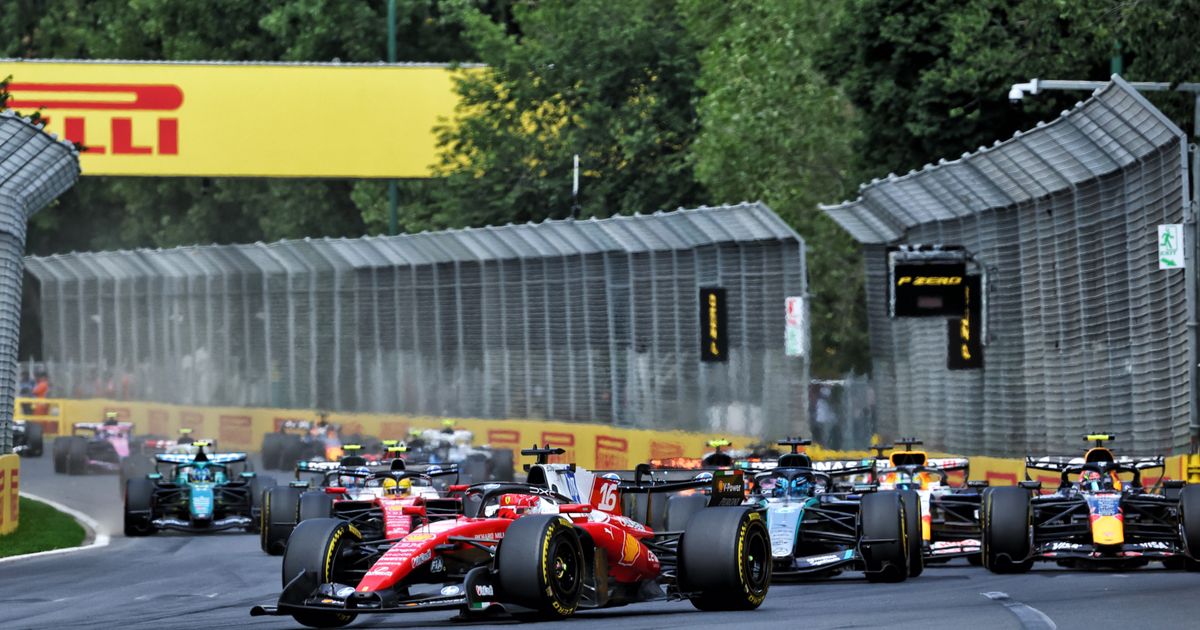
“My feeling is that there’s going to be one of those big crashes if nothing changes for the start at some point this year,” said Carlos Sainz, the GPDA director and Williams driver. Sergio Perez was blunter: “It’s just a matter of time before a massive shunt happens.”
George Russell called the blocking vote “selfish” without naming names. He didn’t need to. Everyone in the Shanghai paddock knew exactly which team he meant.
Haas principal Ayao Komatsu defended the stance, comparing mid-season rule changes to moving the goalposts at halftime. Every team knew the regulations, he argued. Execute better.
Even Max Verstappen offered a sliver of understanding: “Some people are of course happy with those rules now because they’re at the front. You always have to take that into account.” But Verstappen also noted something telling. If you saw everyone getting out of the car in Melbourne, I didn’t see many happy faces, to be honest.
Ferrari’s position isn’t irrational. The team did its homework. It identified a competitive advantage buried in the regulations and engineered around it. That’s what great teams do.
The problem is that the advantage comes tethered to a genuine safety hazard, and Ferrari is wielding institutional power that no other team possesses to preserve it.
Standing starts have always carried risk. F1 is one of the few major series that still uses them. But the 2026 power units have amplified the danger dramatically, and drivers describe the launches as a lottery where you can execute perfectly and still get stuck.
The FIA and Formula One Management technically have the authority to intervene on safety grounds without a team vote. They haven’t. Whether that’s political calculation or genuine deference to the governance structure, the effect is the same: nothing changes before China.
Ferrari will line up in Shanghai with its quick-spooling turbo and its devastating starts. The rest of the grid will line up hoping the next Colapinto-Lawson moment ends the same way, with a near-miss instead of a fireball.
The sport is banking on luck. And luck, in racing, is a finite resource.


Share this Story