
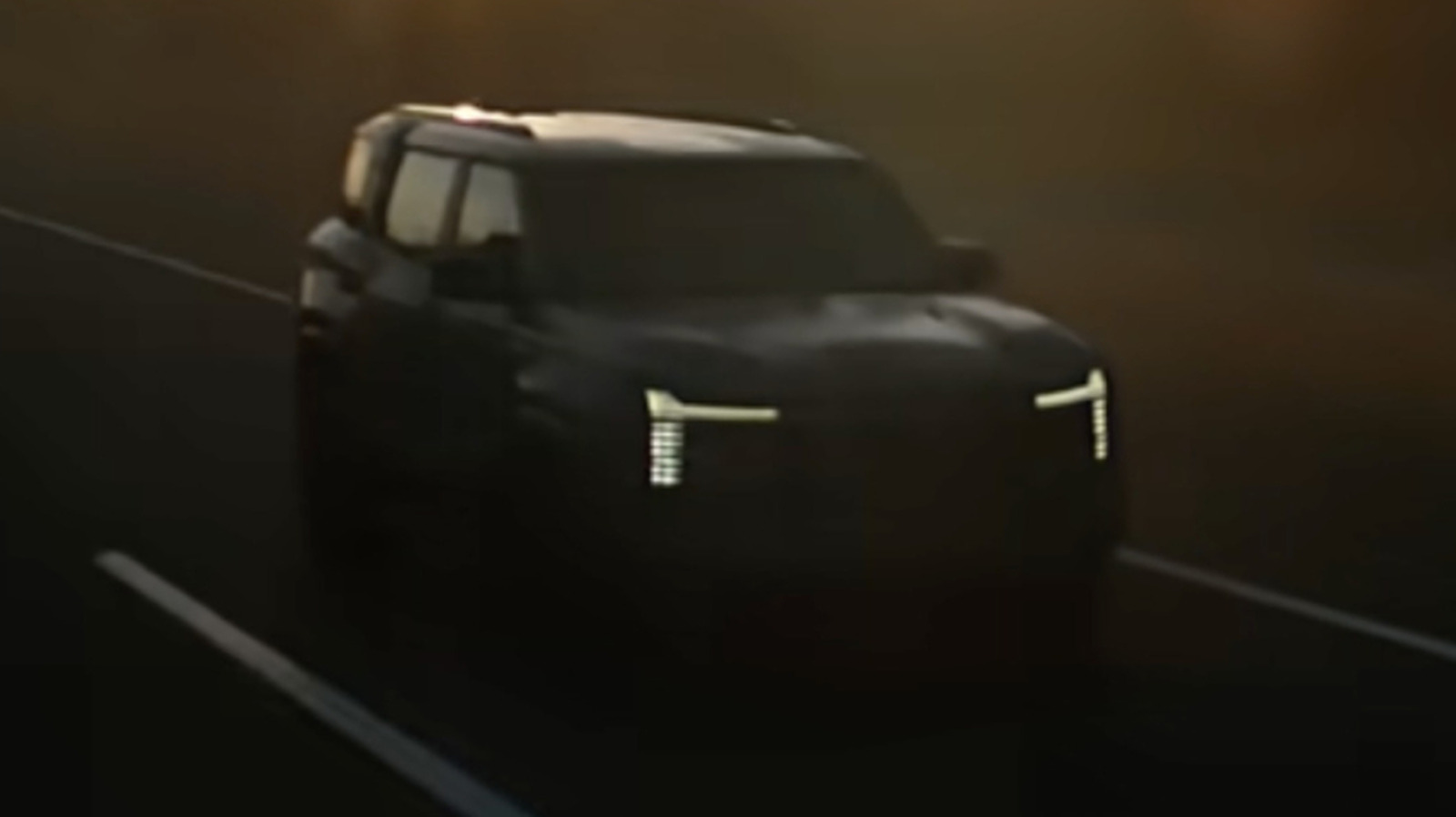


Mitsubishi’s new CEO, Keisuke Kishiura, less than two weeks into the job, all but confirmed at the Automobile Council 2026 forum in Chiba, Japan, that a reborn Pajero is launching this year. He stopped just short of saying the name out loud, calling it a “new cross-country SUV” in the same breath he praised the Pajero’s legacy. Nobody in the room needed a decoder ring.
The timing is not subtle. Mitsubishi is bleeding relevance. Sales are declining, its lineup feels like an afterthought in most markets, and the brand identity has drifted so far from its rally-bred roots that most American buyers couldn’t name a single Mitsubishi model beyond the Outlander.
Bringing back the Pajero nameplate — or Montero, as it was known stateside — is a calculated grab at the one thing Mitsubishi still owns in the public imagination: rugged off-road credibility.
“The Pajero has been cherished by customers around the world,” Kishiura told Automotive News, citing its ability to tackle any weather or road surface. That’s the corporate version of planting a flag.
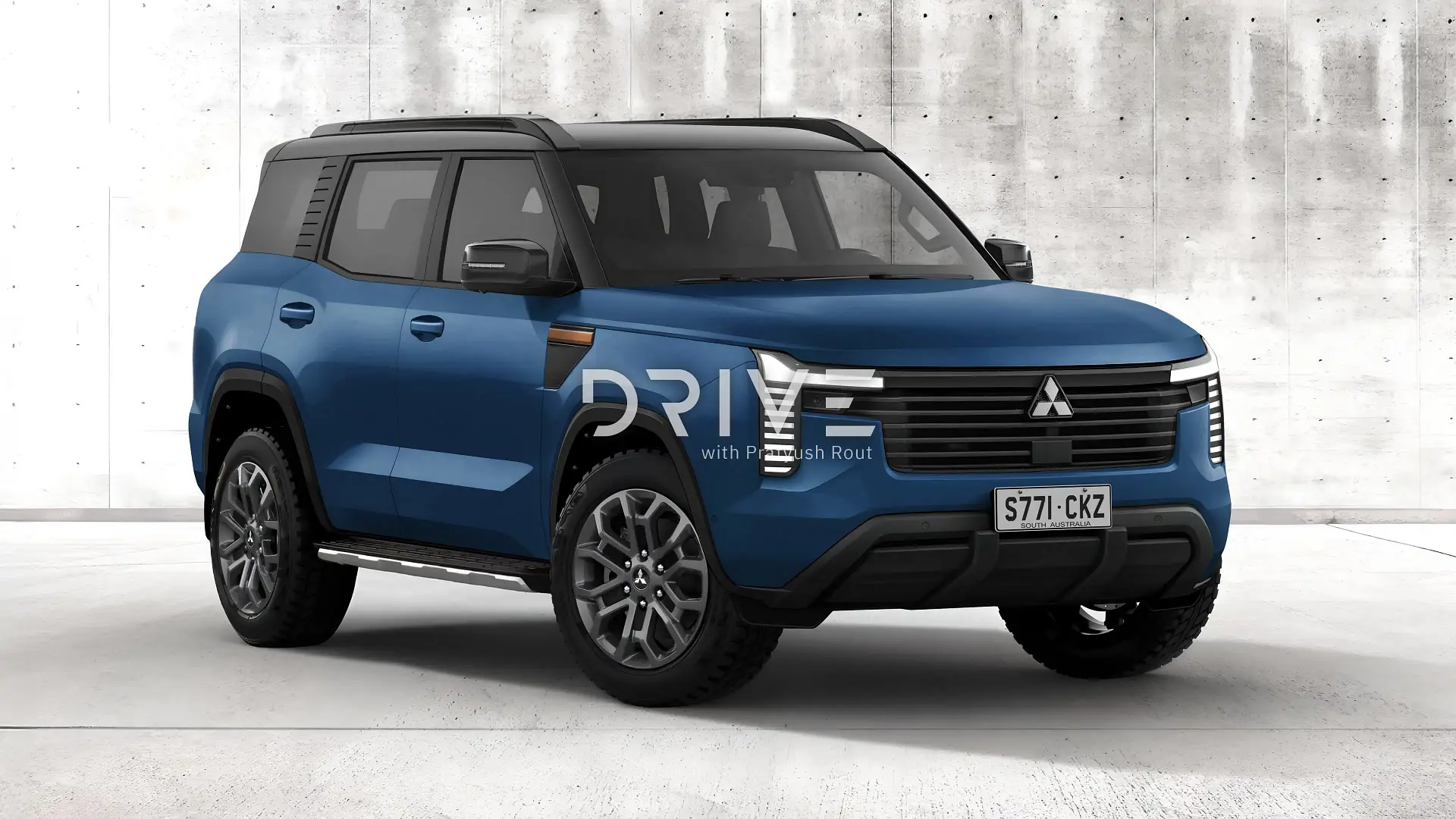
But here’s the rub. This isn’t a clean-sheet, body-on-frame beast built to slug it out with the Toyota LandCruiser Prado and Ford Everest on equal terms. According to Australian registration documents and reporting by Drive, the new Pajero will be built in Thailand on a Triton-based ladder-frame chassis. It is effectively the successor to the Pajero Sport, not the legendary full-size Pajero that won the Dakar Rally twelve times.
That distinction matters enormously. The original Pajero was a monocoque off-roader with genuine mechanical sophistication. What’s coming is a ute-based wagon wearing a famous name. Mitsubishi appears to be dropping the “Sport” suffix to trade on the full weight of the Pajero badge without delivering the full weight of the Pajero engineering.
Under the hood, expect the Triton’s 2.4-litre bi-turbo diesel making around 150 kilowatts and 470 Newton-metres, possibly paired with a 48-volt mild-hybrid system. A plug-in hybrid variant could follow later in the lifecycle. Braked towing should hit 3.5 tonnes, matching the Prado and Everest, and Mitsubishi’s Super Select II four-wheel-drive system is expected to carry over.
Spy shots dating back to mid-2025 show a boxy prototype with vertical tail lamps and T-shaped headlights that echo the Southeast Asian-market Destinator. It will be visually distinct from the Triton, which is smart — the current Pajero Sport looks like a pickup that forgot its bed. Size should grow meaningfully, closing the gap to the Prado and Everest, though it won’t approach the bulk of the new Nissan Patrol.
Notably, Nissan denied Mitsubishi access to the Patrol platform despite their alliance ties. That tells you something about how the partnership’s power dynamics actually work.
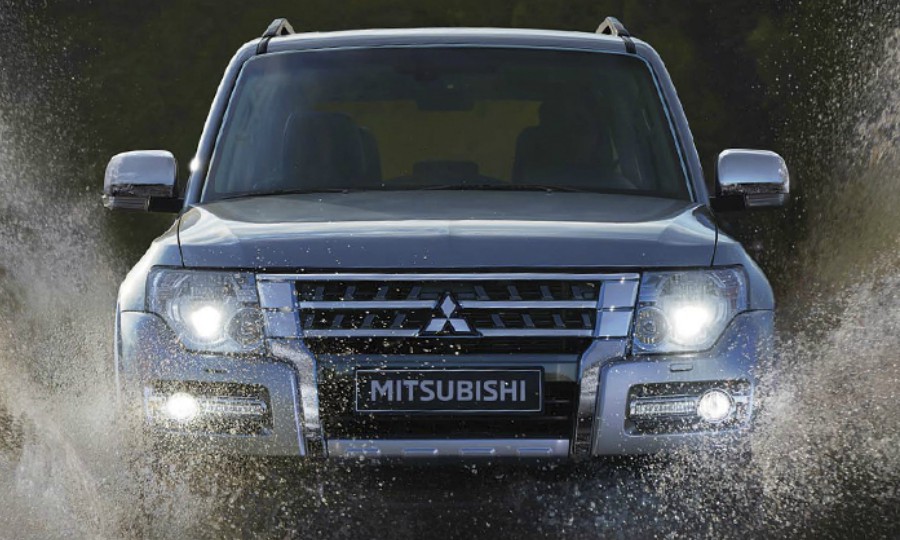
The North American question hangs over everything. Mitsubishi filed a U.S. trademark for the Montero name in 2024. At last October’s Japan Mobility Show, Mitsubishi fellow Kaoru Sawse said the company was “still looking into” North America as a potential market, adding that “nothing has been decided yet.”
The Montero hasn’t been sold in the U.S. since the 2006 model year — two full decades ago. A generation of American buyers has no memory of it.
Selling it here would require Mitsubishi’s tiny U.S. dealer network to convince crossover shoppers that a diesel-powered, ladder-frame SUV from a brand they associate with rental-fleet Mirages is worth $45,000-plus. That’s a steep ask when the Ford Everest isn’t even sold here and the segment is already crowded with the Prado-based Lexus GX, Jeep Wrangler, and Toyota 4Runner.
Mitsubishi desperately needs a halo vehicle, something to remind people it once built machines that conquered deserts. Whether a rebadged Pajero Sport can carry that weight — or whether it just borrows glory from a name it hasn’t earned — is the real test Kishiura faces. The nameplate alone won’t save a brand. The truck has to.
Share this Story