
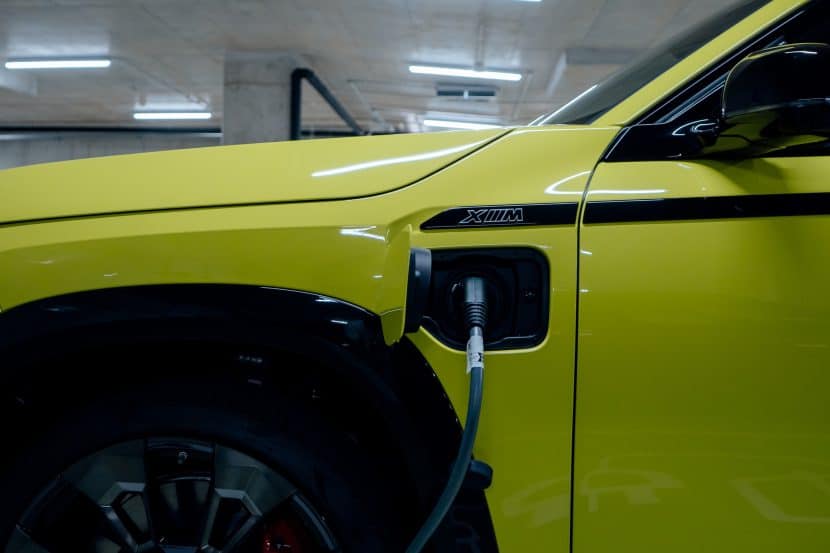


Nicolas Peter, BMW’s Chairman of the Supervisory Board, told German newspaper Die Zeit that the automaker could remotely cut engine power on plug-in hybrids whose owners never bother to charge the battery. He called it a “behavioral problem” and said the technology to monitor and enforce it already exists.
Let that sink in. A car company publicly musing about punishing customers for how they use a product they already paid for.
Peter framed the idea as a defense of climate-friendly technology. If a driver never charges their battery, the engine power could be reduced,” he said. “Technically, this is feasible.” The mechanism would presumably arrive via over-the-air software update, no dealer visit required, no consent needed beyond whatever’s buried in the terms of service nobody reads.
The provocation lands against a backdrop of damning data. A massive European study covering nearly a million vehicles found that real-world emissions reductions from PHEVs sit around 20 percent, not the 80 percent manufacturers claim on paper. The reason is brutally simple: people don’t plug them in.
They buy the car, pocket the tax credit, and run it on gasoline like any other vehicle. Except now it’s heavier, thanks to a battery pack riding around as dead weight, which means it actually burns more fuel than a comparable conventional car.
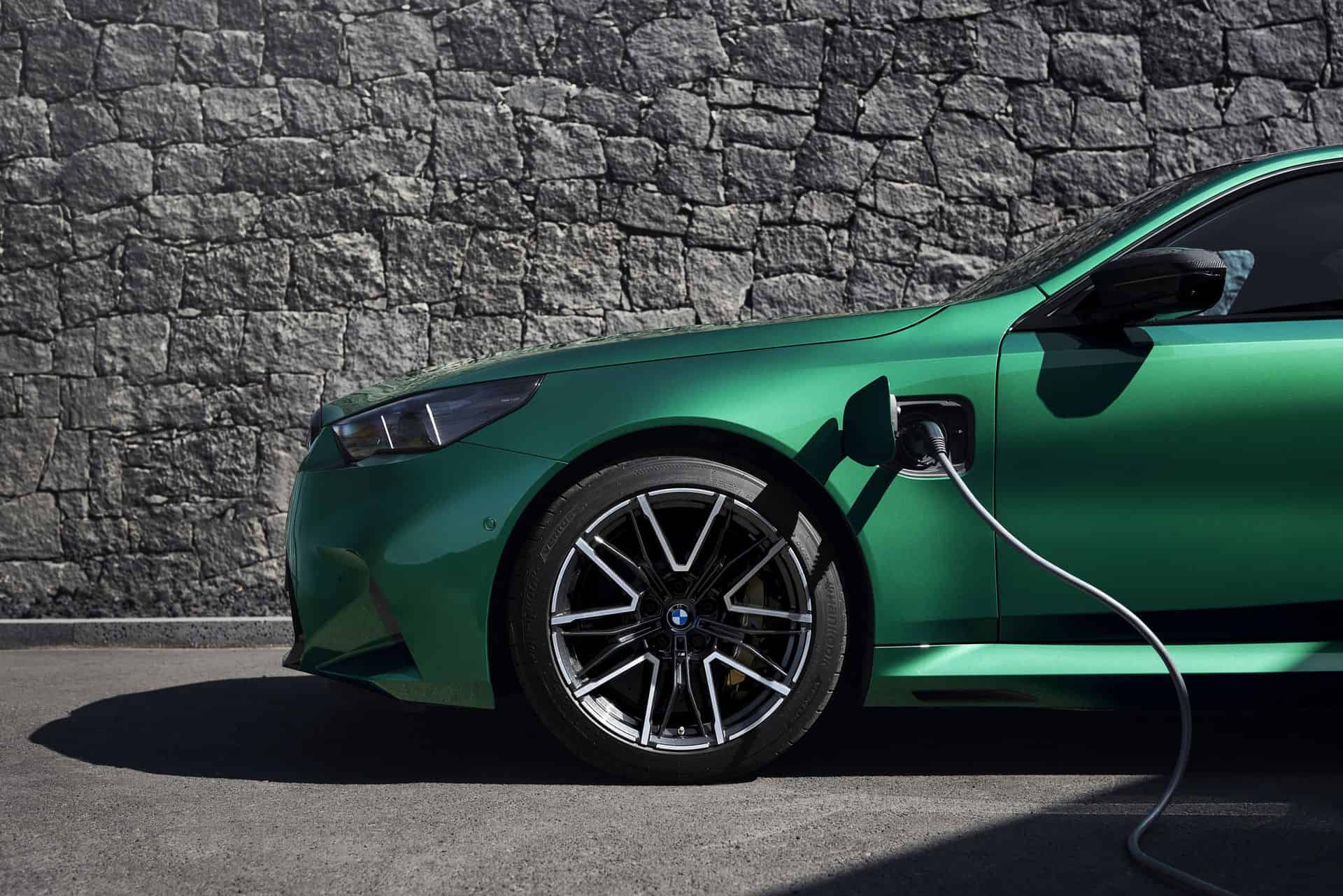
This is the tension BMW is trying to navigate, and it’s ugly on every side. The company sold these vehicles with government incentives attached. It profited from fleet emissions credits calculated on theoretical electric miles that were never driven. Now it wants to discipline the very customers whose purchasing behavior helped BMW meet regulatory targets in the first place.
Plug-in hybrids accounted for 8.1 percent of BMW’s global sales last year, dipping to 8 percent in Q1 2026. BMW’s newer PHEVs genuinely offer meaningful electric-only range, 40 miles, 50 miles, enough to cover most daily commutes without touching a drop of fuel. The technology works. The humans don’t cooperate.
Critics on forums and in the industry have been blunter than BMW’s boardroom language. One widely shared analysis called the entire PHEV category “mostly fraud,” arguing manufacturers designed mediocre electric ranges specifically to game EU fleet emissions laws while knowing full well that owners would rarely charge. Toyota’s Prius Prime, with its modest 25-mile electric range, gets glowing reviews from owners who actually plug it in daily. But those owners tend to have short commutes and home garages, a demographic slice, not a universal solution.
The real question BMW raised isn’t technical. Of course they can throttle your engine remotely. They can already lock heated seats behind a subscription. The question is whether a manufacturer has the right to degrade a product’s performance based on how the owner chooses to use it.
Peter’s proposal treats the car not as property but as a supervised device, subject to behavioral correction. There’s no indication BMW plans to implement this tomorrow. Peter floated it as a concept, a conversation starter.
But the fact that a senior figure at one of the world’s largest automakers said it out loud, on the record, to a major newspaper, tells you where the industry’s head is at. The car you bought may increasingly come with strings attached. Strings the manufacturer can pull whenever your behavior doesn’t match their emissions spreadsheet.
Automakers spent years selling PHEVs they knew wouldn’t get charged, collecting green credits along the way. Now they want to blame the customer. That’s not a behavioral problem. That’s a business model catching up with its own contradictions.

Share this Story