


Ford has issued more than 50 recalls already in 2025. Last year it logged 153, the most of any automaker. That’s not a quality hiccup — it’s a pattern.
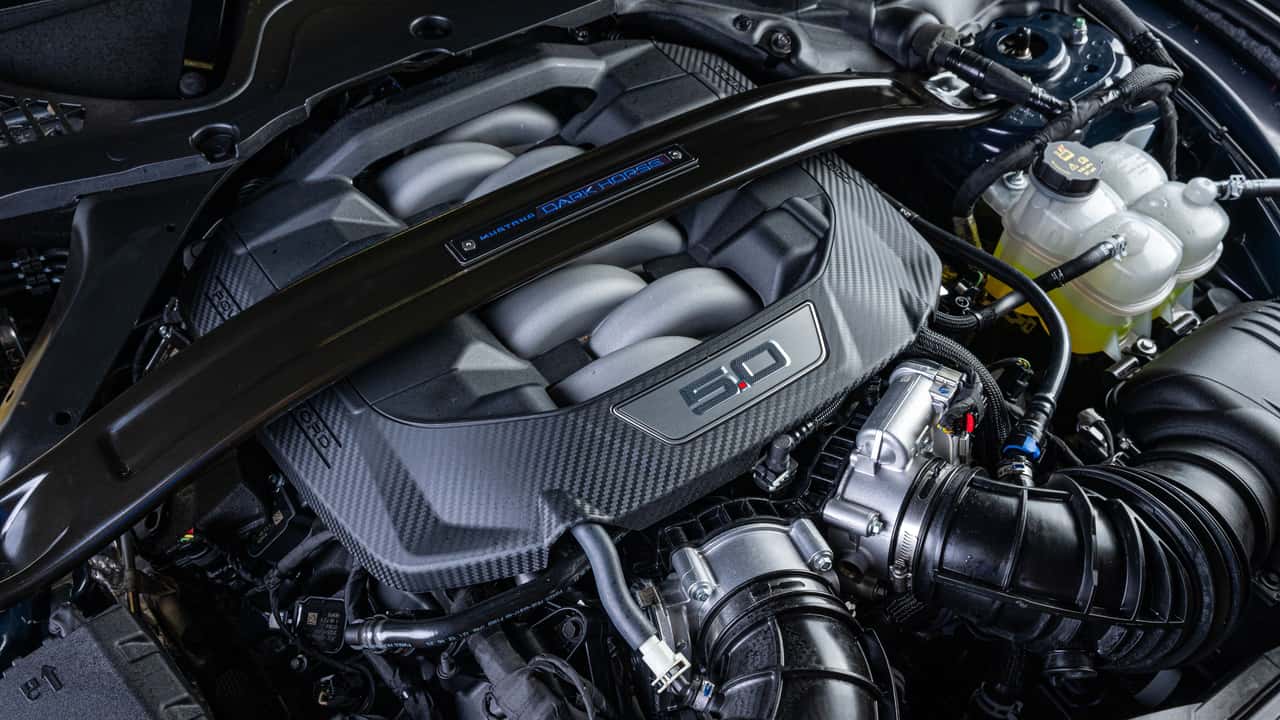
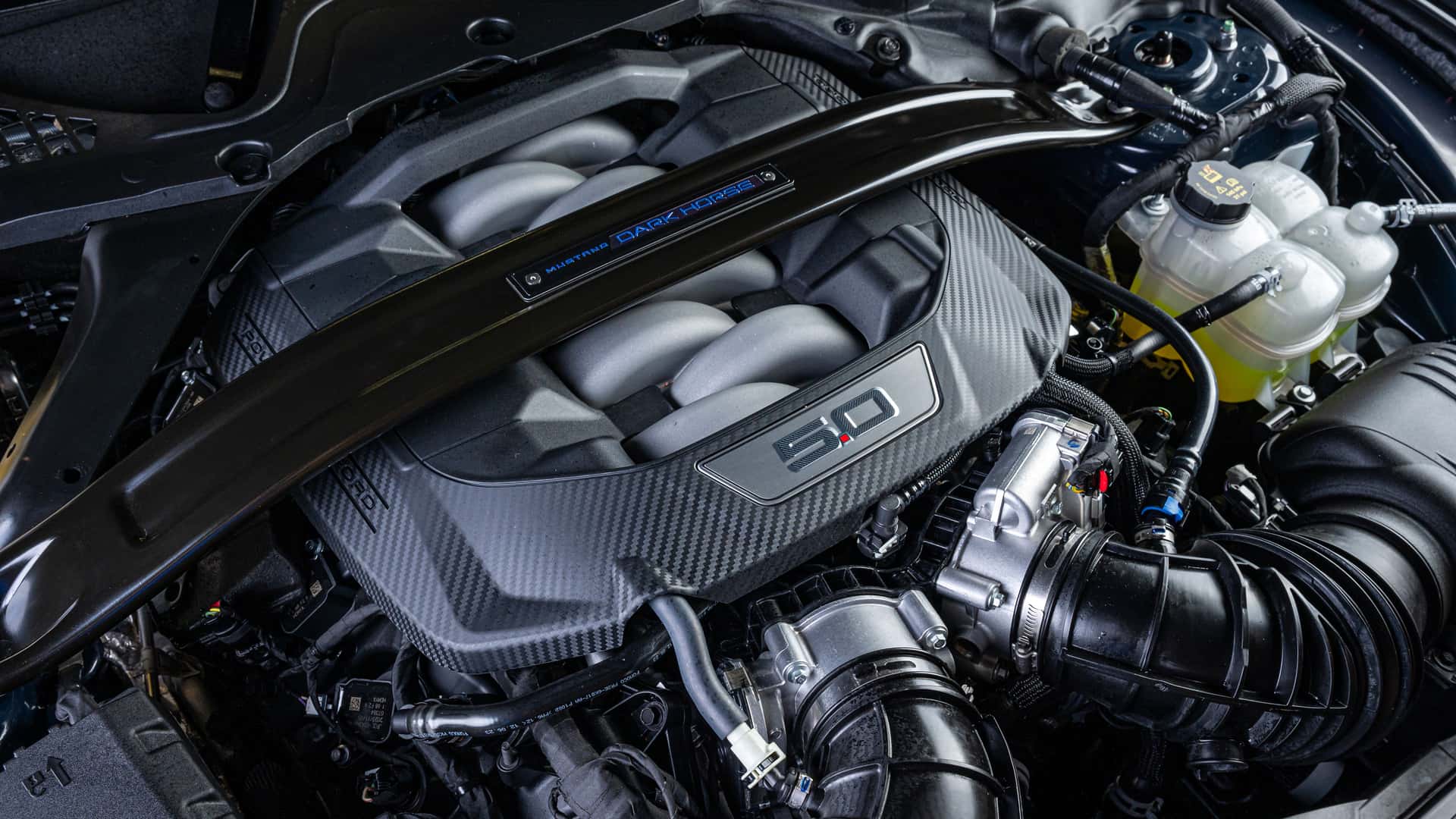
The company’s latest attempt to break the cycle is almost brutally simple: pull one engine off the assembly line every single day and rip it apart. Not because it failed. Because Ford wants to find what might fail before millions of customers do.
Neil Wilson, plant manager at Ford’s Essex engine facility, told Road & Track the teardown program is “providing real insight on how to protect quality, and it’s no longer a reactive tool.” The key phrase there is “no longer reactive.” Ford is essentially admitting it has spent years chasing problems after they’ve already reached driveways.
The mechanics of the program are straightforward. An engine gets yanked from the production line and subjected to a battery of tests. Engineers and technicians then catalog what they find — tolerances, wear points, assembly inconsistencies — and feed that data back to the factory floor.
Workers get specific guidance on where to look and what to watch for during normal production. It’s quality control by dissection.
Wilson says the warranty data is already responding, with a “rapid decline” in claims. Warranty claims are the canary in the coal mine — they spike before recalls hit, and they bleed money long after headlines fade.
But context matters here. Ford recalled nearly 13 million vehicles across 152 actions last year. That number is staggering even by industry standards, and it puts Ford in a category no automaker wants to own.
GM, Stellantis, and Toyota all issue recalls, sometimes large ones. None of them have matched Ford’s volume and frequency over the past three years running.
One engine a day is a start. It’s also a confession. The fact that a company with Ford’s engineering resources and manufacturing heritage needs a daily teardown ritual to catch problems before they spread tells you how deep the quality rot had gotten.
This isn’t a moonshot program or some algorithmic revolution. It’s experienced hands pulling apart castings and checking torque specs. It’s the kind of thing that should have been standard practice a decade ago.
Ford CEO Jim Farley has made quality a public priority, repeatedly telling investors and media that reducing warranty costs is central to the company’s turnaround plan. Ford’s warranty spending has consistently eaten into margins, particularly on legacy internal combustion vehicles that should be the profit backbone funding the company’s EV transition.
The early returns from the teardown program are encouraging if you take Ford at its word. A sustained decline in warranty claims would eventually translate into fewer recalls, lower costs, and vehicles that don’t embarrass their owners at the service counter six months after purchase.
Still, 50-plus recalls before the summer solstice is a brutal pace. The teardown program addresses powertrain quality specifically. It does nothing for the software glitches, wiring harness issues, and interior component failures that have also driven Ford’s recall count skyward.
Tearing down one engine a day won’t fix everything. But it signals something Ford’s customers have been waiting years to see — the company finally looking for trouble before trouble finds them.





Share this Story