
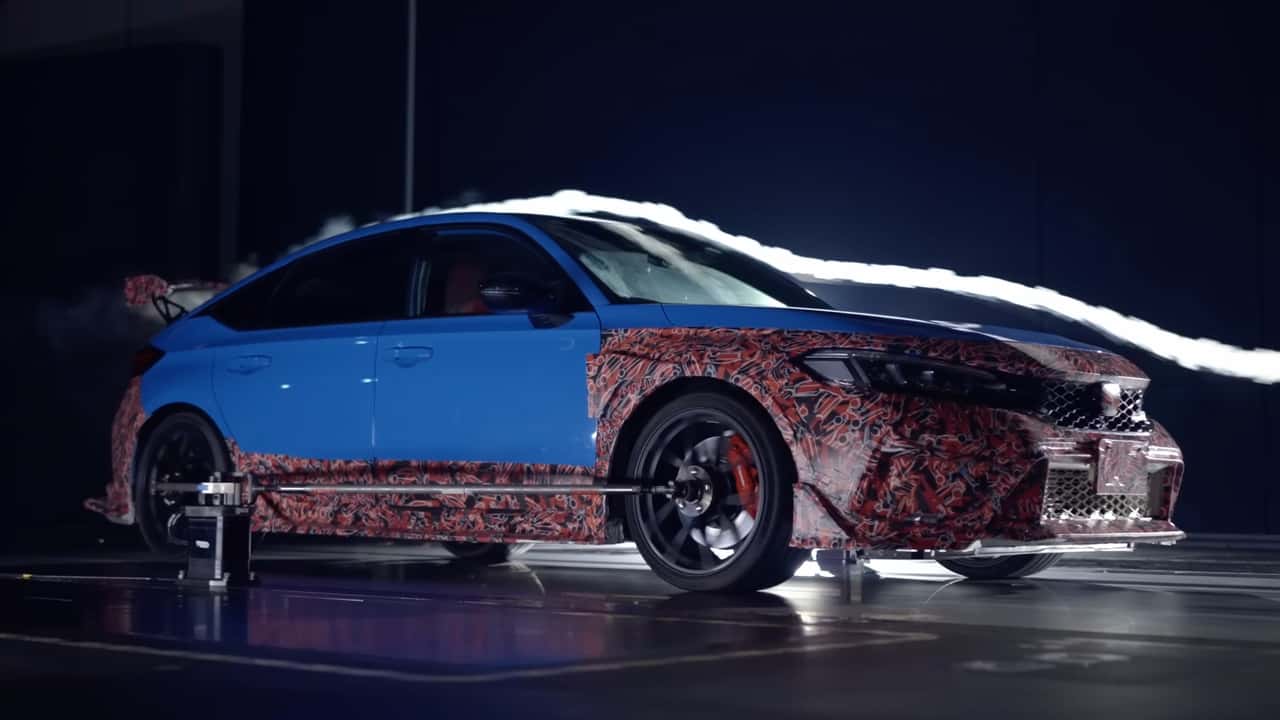


Honda Racing Corporation president Koji Watanabe just put a clock on the most anticipated Civic Type R variant in years. Speaking at an owner’s event at Mobility Resort Motegi, Watanabe said the Type R HRC Concept — first teased at January’s Tokyo Auto Salon — will arrive within “100 digits” of days. That’s not a vague corporate timeline. That’s this year, likely by fall.
The car is currently under active development at Suzuka Circuit, and Honda isn’t messing around with who’s behind the wheel. Takuma Sato, Ayumu Iwasa, and Hiroki Otsu — drivers pulled from real racing programs — are doing the testing. You don’t borrow talent from active competition seats to shake down a sticker package.
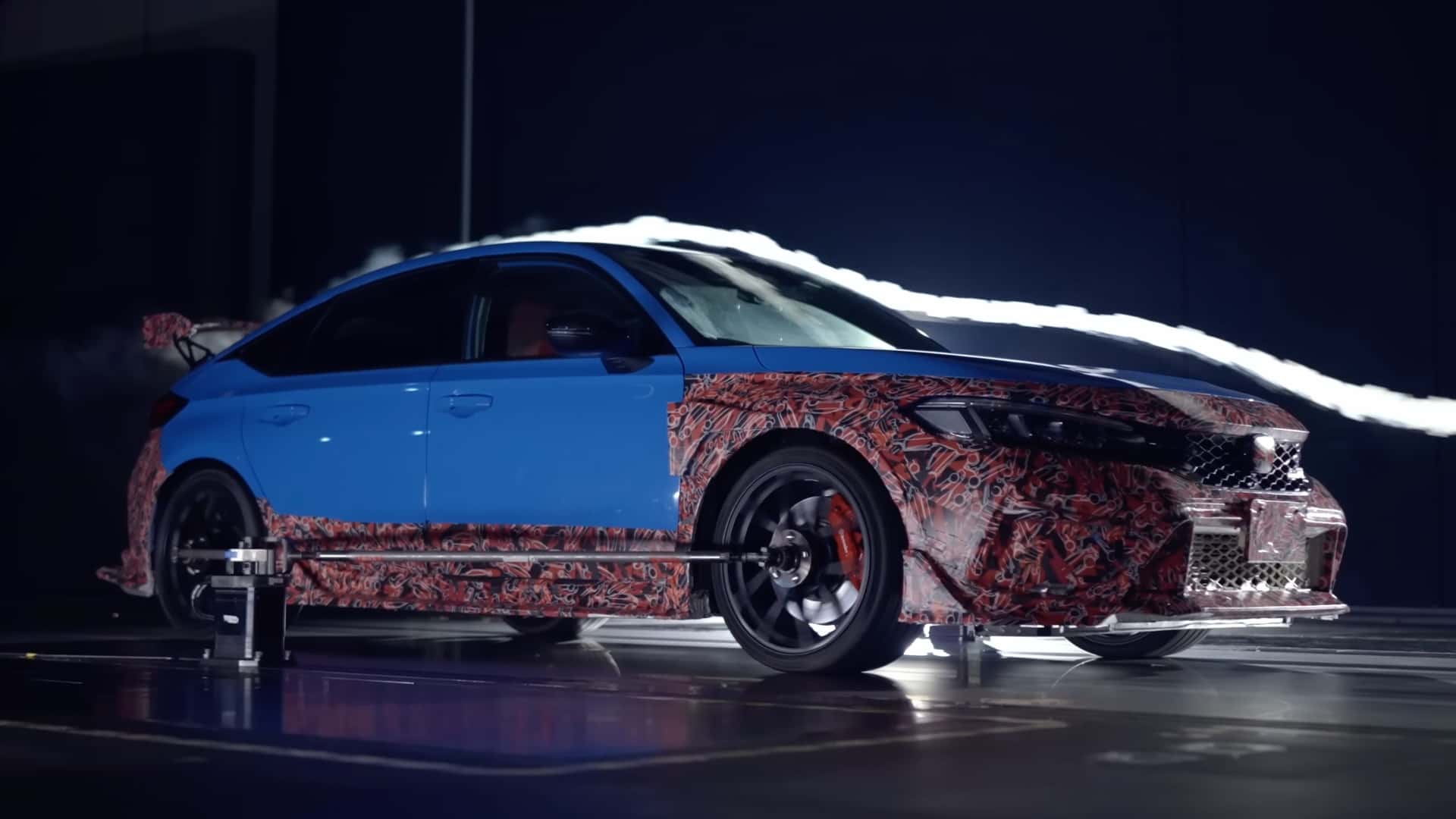
HRC’s own development video reveals the scope. The entire front end is reworked. Wide box-style fender flares recall Honda’s Super GT machines.
A more aggressive front lip, deeper side skirts, and revised rear spats reshape the car’s aerodynamic profile. The rear wing carries a different profile, though it stops short of radical reinvention.
Sato specifically commented on the increased rigidity and stiffness of the development car, confirming meaningful chassis and suspension changes underneath the bodywork. The wider front fenders suggest a staggered tire setup — bigger rubber up front for more grip where the driven wheels live. This isn’t cosmetic. This is engineering.
What’s conspicuously absent from any discussion so far is the engine. The current Type R’s 2.0-liter turbocharged four-cylinder makes 315 horsepower, and there’s no indication HRC is touching it. That might disappoint the horsepower chasers, but it also tells you where Honda thinks the real gains live: in how the car manages its grip, its body control, its aerodynamic balance at speed.
The pros testing it at Suzuka aren’t worried about peak output. They’re chasing lap times through chassis dynamics.
The US question remains unanswered, and that’s the tension worth watching. Watanabe confirmed that all the HRC parts will be sold aftermarket in America, meaning any current Type R owner can piece together the upgrade. But whether Honda will sell a complete, factory-built Type R HRC in American showrooms is still unknown.
The business case practically writes itself. The standard Civic Type R already commands dealer markups that would make a luxury brand blush. A factory-backed, HRC-developed variant with motorsport credibility would generate the kind of demand Honda rarely sees outside of limited-run models. And if no engine changes are involved, the EPA and CARB certification hurdles shrink considerably.
Honda has walked this path before with the Acura Integra Type S HRC Concept, but that car carried a lighter touch. The Type R version, judging by the scope of the bodywork changes and the seriousness of the track development program, operates on a different level. This is HRC treating a production car the way it treats a race car — developing it on circuit with professional drivers, then packaging the results for customers.
The Civic Type R has held its position as the front-drive benchmark for years now, fending off everything Hyundai and Toyota have thrown at it. A hardened HRC version doesn’t just defend that territory. It plants a flag so deep that competitors would need a fundamentally different car to respond.
Roughly 100 days. That’s the window Watanabe gave. For a company that usually guards its timelines with diplomatic vagueness, that kind of specificity carries weight. Honda isn’t teasing anymore. It’s counting down.
Share this Story