
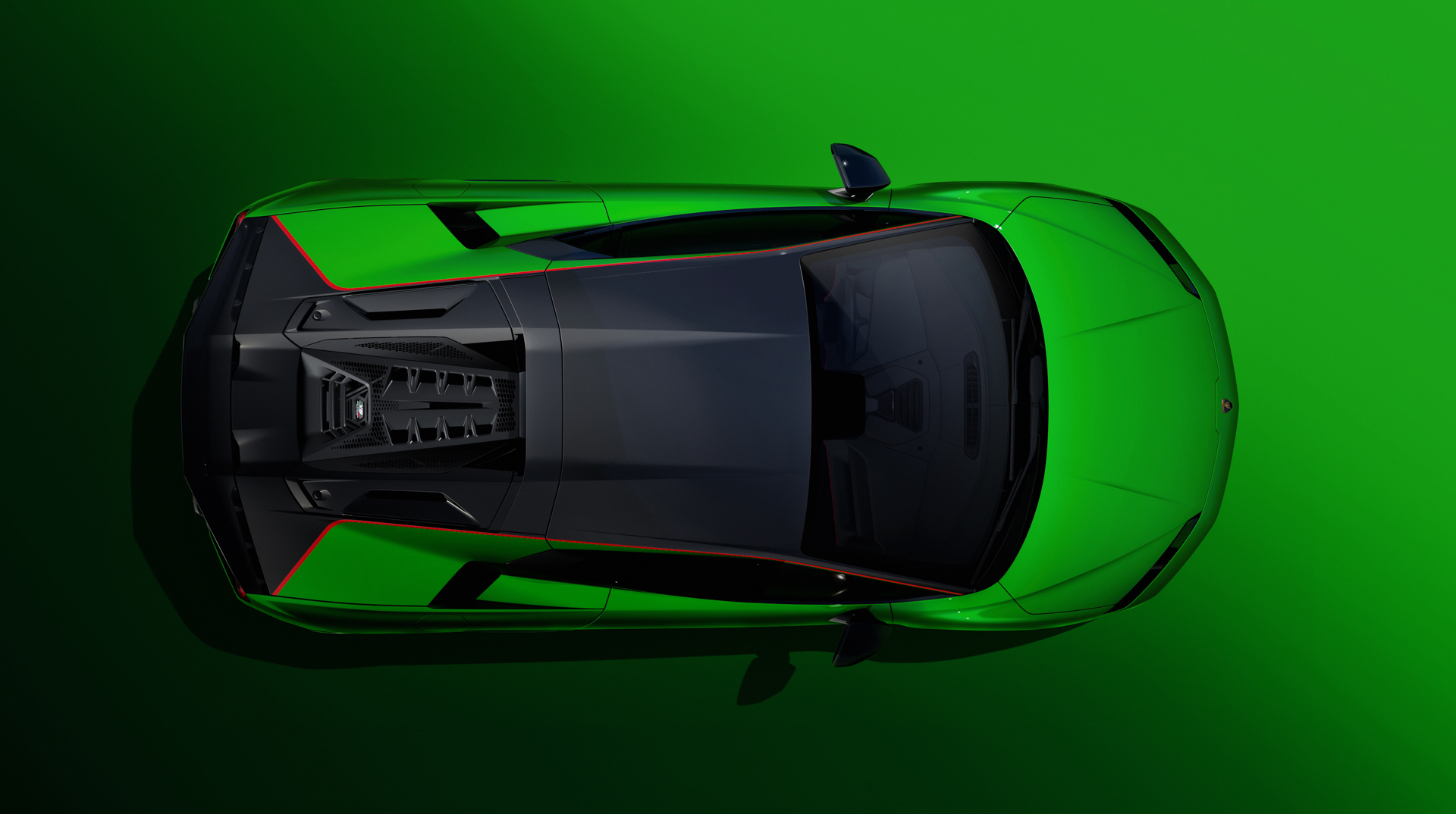


Audi CEO Gernot Dollner knows the Lamborghini Temerario’s redline by heart. That’s not a normal thing for a chief executive to have memorized — unless he’s been thinking hard about borrowing that engine.
At a press gathering in Austria earlier this month, days before the 2027 RS5 media launch, Dollner was asked point-blank about a third-generation R8. He didn’t deflect. He didn’t pivot to electrification talking points. He grinned and started talking about the Temerario’s twin-turbo V8 like a man who’d spent time behind the wheel and liked what he felt.
“It’s a great V8 engine in the Temerario. 10,000 rev, really outstanding engine,” Dollner told journalists, rattling off specs with the ease of an enthusiast, not a boardroom operator.
Then he kept going, unprompted, laying out the logic for anyone willing to connect dots. “We have these opportunities at Volkswagen group to come up from the different technical solutions and combine them,” he said. He pointed to the electric Concept C sports car — built on a Porsche platform but unmistakably Audi — as proof the group’s parts-bin strategy works without diluting brand identity.
His closing remark on a potential R8 successor? “Good idea,” followed by a laugh. Not a dismissive chuckle. Not a nervous deflection. The kind of laugh that says the conversation isn’t hypothetical.
This matters because Audi has spent the last several years gutting its combustion lineup in favor of electrification, a strategy that has alienated a serious chunk of its performance-oriented customer base. The original R8, launched in 2006 with a naturally aspirated V8 and later a screaming V10, became the halo car Audi never knew it needed. It legitimized the brand as a genuine sports car maker, not just a luxury appliance manufacturer.
Killing it without a successor left a void that no e-tron GT, however competent, has filled.
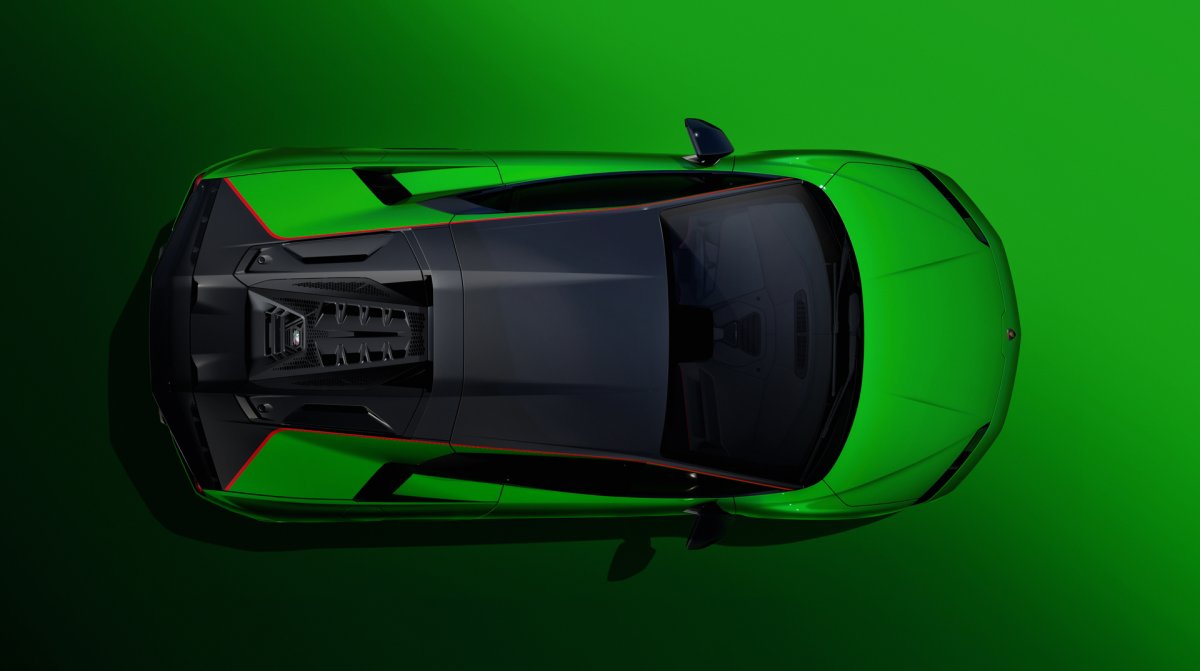
The Concept C, an electric two-seater unveiled earlier this year, was initially positioned by some as the spiritual R8 replacement. Dollner’s comments in Austria effectively killed that narrative. The Concept C is its own thing. A potential R8 is something else entirely — and apparently something combustion-powered.
The Temerario’s 4.0-liter twin-turbo V8 is the obvious candidate. Lamborghini developed it as a clean-sheet engine producing north of 900 horsepower in hybrid form, and it sits in a platform that could theoretically be adapted for Audi use, just as the Huracán’s V10 shared DNA with the second-gen R8. Volkswagen Group has done this before. It would be stranger if they didn’t do it again.
Dollner also volunteered that he’s “a big fan of the V8” — a statement no Volkswagen Group CEO would have made publicly two years ago without risking a scolding from Wolfsburg’s electrification hawks. The political winds inside the group have shifted. EV sales across Europe have softened. Customers are pushing back. And suddenly, combustion enthusiasm from the C-suite isn’t career suicide anymore.
Nothing is confirmed. No timeline exists. No product code has leaked. But when a CEO is handed the perfect opportunity to shut down speculation in front of a room full of automotive journalists and instead responds with detailed engine knowledge and a knowing smile, that’s not ambiguity. That’s a tease from someone who’s already seen the PowerPoint.
The R8 might be coming back. And it might sound even better than the one it replaces.

Share this Story