


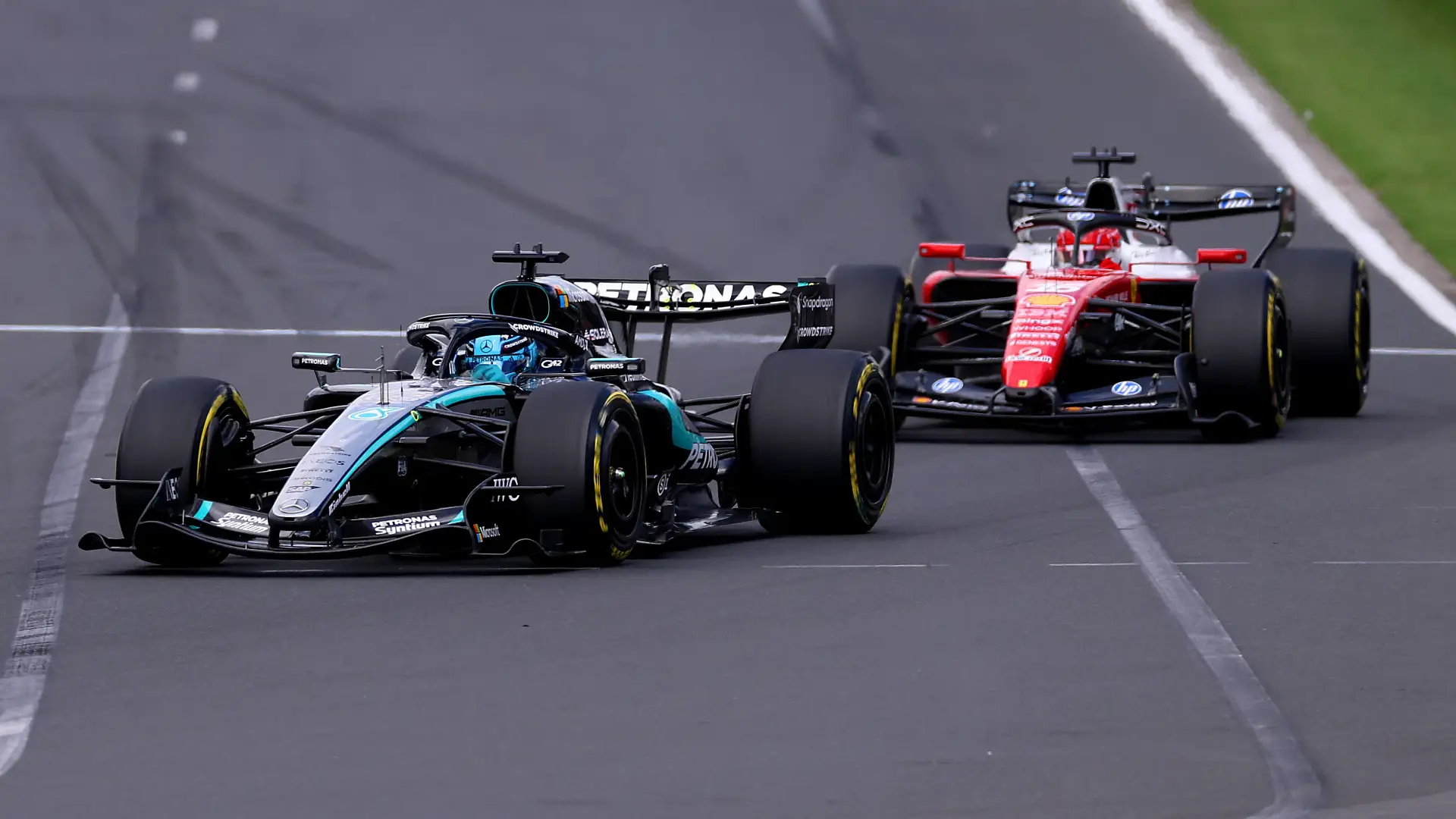
Formula 1’s turbo V6 hybrid era has an expiration date. FIA President Mohammed Ben Sulayem is now openly pushing for a return to V8 engines as early as 2030, calling the current 1.6-litre power units too complex, too expensive, and too quiet. “It’s coming,” he told ESPN. At the end of the day, it’s a matter of time.
The proposed V8 formula would be a dramatic departure from the current 50:50 petrol-electric split that has defined F1 since 2014. Sulayem envisions a 2.6- to 3.0-litre V8 with roughly 10 to 20 per cent electrification — enough to nod toward the future without drowning the sport in battery management headaches. Total output would land around 880 horsepower, with the combustion engine shouldering 650 of those horses.
That matters because the current regulations have created an absurd phenomenon called superclipping, where cars run out of battery on straights and are forced to harvest energy at full throttle, bleeding speed in front of millions of viewers. Lewis Hamilton once described the machines as “ridiculously complex,” saying pilots “need a degree” to extract performance. Mid-season rule changes have already been necessary just to keep the 2026 cars competitive-looking.
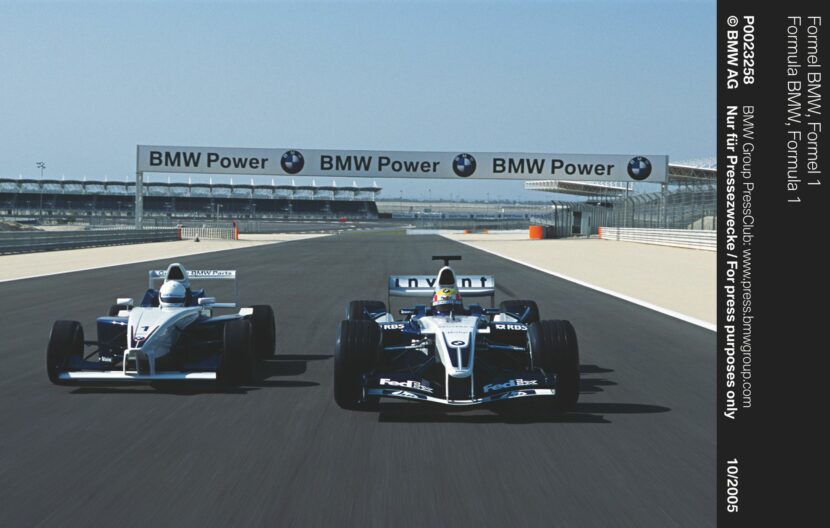
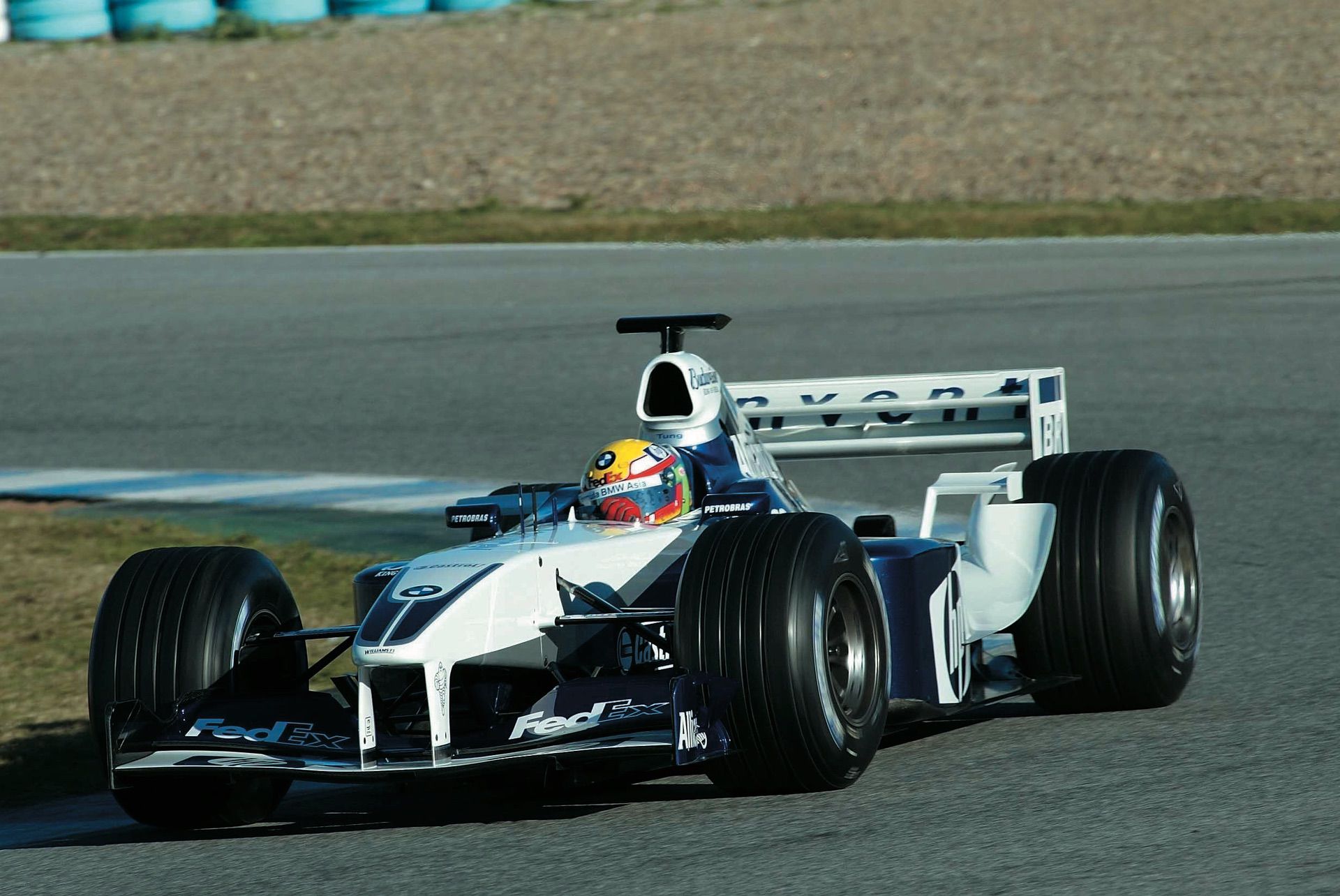
Mercedes team boss Toto Wolff has signaled he’s open to the shift. And lurking at the edges of this conversation is a name that hasn’t appeared on an F1 grid since 2009: BMW.
The Bavarian manufacturer already campaigns the M Hybrid V8 in IMSA and the FIA World Endurance Championship, including Le Mans. That car pairs a turbocharged P66/3 eight-cylinder — derived from its DTM racing engine — with an electric motor. It is, in miniature, almost exactly the architecture Sulayem is describing for F1’s next chapter.
BMW’s existing hybrid V8 racing program doesn’t make a return automatic. An LMDh prototype engine and an F1 power unit exist in different universes of cost, precision, and political complexity. But the knowledge base, the supplier relationships, and the engineering culture are already in place.
The complication is that BMW’s own leadership has poured cold water on the idea. CEO Frank van Meel said last summer that technology transfer from F1 to road cars is “almost impossible” and that a return wasn’t in the cards. That’s a real obstacle, not a negotiating posture.
Still, the timing is conspicuous. Sulayem has outlined a regulatory path where the FIA gains unilateral authority to impose the V8 rules by 2031 without manufacturer votes. He wants to pull that forward a year. If the FIA locks in a simpler, cheaper, louder formula, the economic argument for BMW changes substantially.
Customer engine supply becomes viable. The marketing platform becomes less of a money pit. The engineering challenge aligns with hardware BMW already builds.
The RPM ceiling is another telling detail. Sulayem wants to cap the new V8s at 15,500 to 16,000 revs, partly to control development costs and partly because higher frequencies become physically unpleasant. That’s a formula designed to attract new manufacturers, not just retain the existing four. It’s practically an invitation letter with BMW’s address on it.
None of this guarantees anything. A full factory F1 entry requires years of lead time, billions in commitment, and board-level conviction that the sport serves the brand. A technical partnership or engine supply deal would be a more realistic entry point.
But for the first time since BMW packed up after Robert Kubica’s promising 2008 season, the regulations are bending toward Munich instead of away from it. The question isn’t whether the V8 is coming back. It’s whether BMW has the nerve to follow it.
Share this Story