
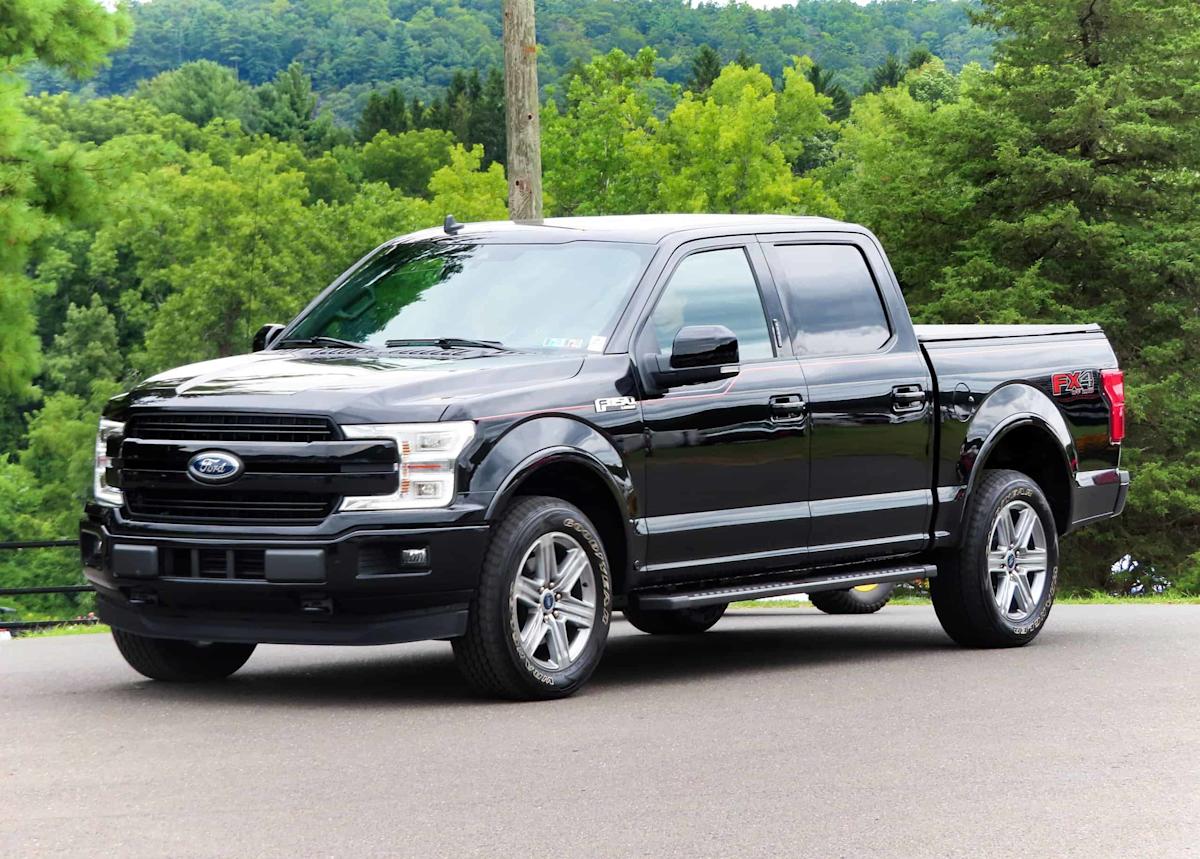


Ford is quietly assembling a team of Apple and Tesla veterans in a semi-secret lab, tasked with designing a $30,000 electric truck that can compete with Chinese EVs before those vehicles ever reach American shores. It’s an ambitious moonshot. It also arrives after years of expensive EV failures that have cost the company billions and, most recently, its chief EV officer.
Doug Field, the executive who was supposed to bridge Ford’s old-world manufacturing DNA with Silicon Valley’s move-fast ethos, departed last week. His exit was not voluntary in any meaningful sense. Someone had to absorb the blame for a strategy that promised 40% EV sales by 2030 and has delivered nothing close.
Rewind to 2021. CEO Jim Farley declared Ford’s EV push “our biggest opportunity for growth and value creation since Henry Ford started to scale the Model T.” The company committed $20 billion through 2025.
The Mach-E launched to genuine excitement. The F-150 Lightning followed. Then came production stumbles, software headaches, pricing retreats, and quarterly loss figures from Ford’s Model e division that made Wall Street wince.
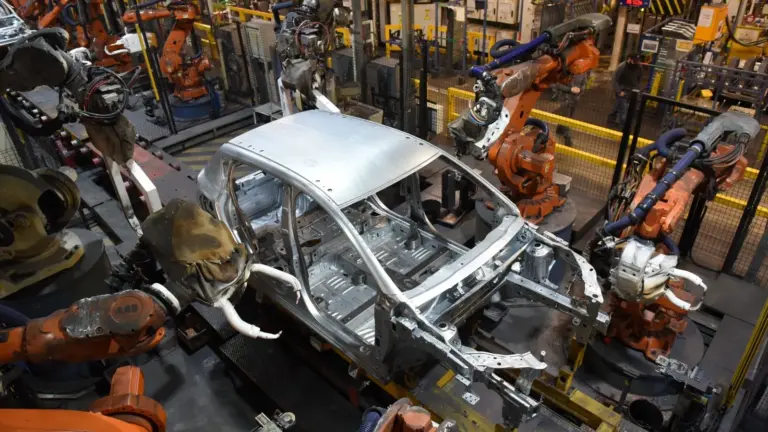
Now Farley is doubling down. The new approach centers on ripping out Ford’s traditional manufacturing playbook and replacing it with something leaner, something closer to what BYD and other Chinese automakers have perfected through years of relentless iteration and substantial government backing.
Hyundai CEO José Muñoz was blunt in a recent Wall Street Journal interview when asked if American automakers can match Chinese EV cost structures. “It is impossible, unless they are subsidized by the government,” he said. No such subsidy is coming.
Washington has shown zero appetite for handing billions to Detroit’s EV programs, and the political winds aren’t shifting anytime soon.
That leaves Ford relying on ingenuity, talent poaching, and a clean-sheet design philosophy. The company believes that engineers who built Apple’s hardware and Tesla’s manufacturing lines can crack the cost problem from the inside. It’s a reasonable theory, but one that other legacy automakers have tested without success.
GM hired Silicon Valley talent. Volkswagen built an entire software division. Neither effort transformed their EV economics overnight.
What’s keeping Ford alive right now isn’t innovation. It’s the 100% tariff wall blocking Chinese EVs from American driveways. Remove that barrier and a $30,000 Ford electric truck would face BYD pickups that could undercut it by thousands while matching or exceeding its technology.
The tariffs buy time. They don’t buy competitiveness.
Executive Chairman Bill Ford, who has held his title since 1999, remains insulated by family control of the company’s voting shares. Farley, despite presiding over billions in EV losses, keeps his job too. Field is the one who walked the plank. That pattern doesn’t exactly scream accountability.
Ford’s truck franchise remains enormously profitable. The F-Series prints money. Hybrids are selling well.
The core business isn’t broken. But the company keeps allocating enormous resources to an EV strategy that has yet to produce a single profitable vehicle, while competitors in Shenzhen are shipping affordable electric cars by the millions.
A $30,000 electric truck would be genuinely transformative if Ford can pull it off. That’s a massive “if.” The company has announced revolutionary EV plans before and staffed them with impressive resumes before. Each time, the gap between ambition and execution has been measured in billions of lost dollars.
The lab is open. The talent is hired. The clock, though, belongs to China.
Share this Story