
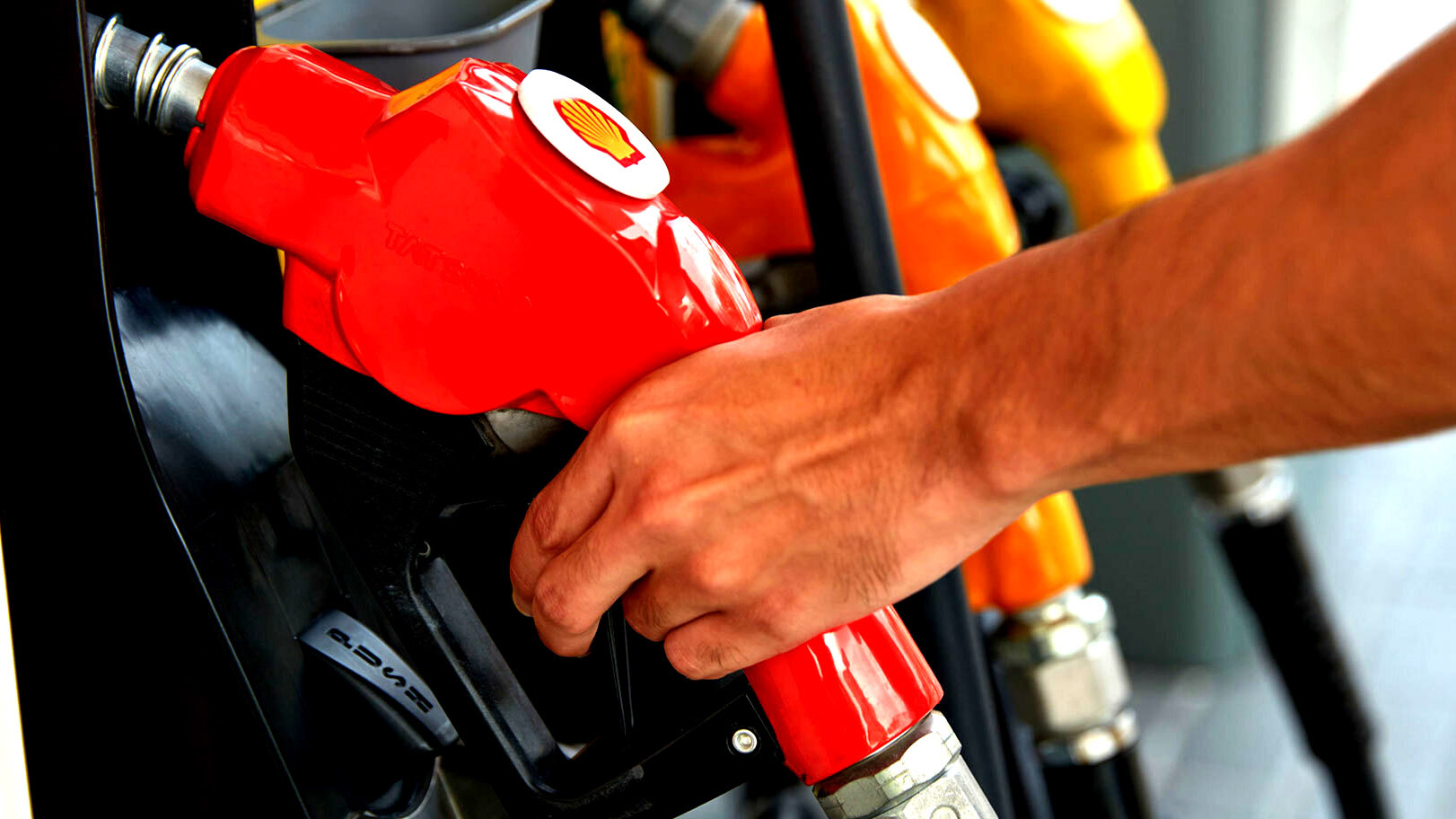


A gallon of regular gasoline now costs American drivers $4.176 on average, a four-year high and a 33 percent increase from the $3.15 they were paying just twelve months ago. Diesel is in even worse shape at $5.461, closing in on the all-time record of $5.816 set in June 2022. That diesel number is up nearly two dollars from a year ago.
The culprit is no mystery. The Strait of Hormuz, the narrow chokepoint through which roughly a fifth of the world’s oil supply flows, remains effectively closed. The conflict with Iran appeared to be winding down weeks ago, and pump prices briefly leveled off. That reprieve is over.
AAA data shows gasoline jumped 6.5 cents in a single 24-hour period, 15.4 cents over the past week, and 20 cents from a month ago. These are not gentle escalations. This is a market repricing risk in real time.
Diesel tells the uglier story. Trucking fleets, farmers, and freight operators are absorbing a fuel cost that has nearly doubled in a year. Every dollar added to a gallon of diesel ripples through the entire consumer economy — groceries, construction materials, shipping fees. The $5.461 average is just 35 cents shy of the worst price American truckers have ever paid.
Geography makes the pain uneven, as always. California drivers face $5.965 for regular and a staggering $7.480 for diesel. Oklahoma sits at $3.634 and $4.731 respectively, well below its own state records but still elevated enough to sting.
The spread between the cheapest and most expensive states is more than $2.30 per gallon for gas and nearly $2.75 for diesel. That’s a reminder that fuel policy, refinery access, and state taxes create wildly different realities across the country.
President Trump claimed that Iran has communicated it is in a “state of collapse” and wants the United States to reopen the strait while it sorts out its leadership. Whether that characterization is accurate, aspirational, or neither is impossible to verify independently. Markets, for their part, are not trading on optimism.
The last time gas was this expensive nationally was 2022, when post-pandemic demand collisions and the early months of Russia’s war in Ukraine sent crude prices spiraling. That spike eventually broke when supply chains adjusted and the Strategic Petroleum Reserve was tapped aggressively.
Neither lever is as readily available now. The SPR remains well below its pre-drawdown levels, and the Hormuz closure is a fundamentally different supply disruption than pipeline politics or OPEC maneuvering.
For the auto industry, the timing is brutal. New vehicle transaction prices remain elevated. Interest rates on car loans haven’t retreated meaningfully. And now the cost of actually driving what you bought is surging.
EV advocates will point to this moment as vindication, and they’re not wrong on the math. But EV sales growth has been sluggish for over a year, and a consumer stretched thin on fuel costs isn’t necessarily a consumer ready to absorb a $45,000 vehicle purchase.
What drivers feel right now is a squeeze from every direction: the car costs more, the loan costs more, and the fuel costs more. The only question left is whether the Hormuz stalemate breaks before diesel breaks its record. At this pace, the record falls first.





Share this Story