
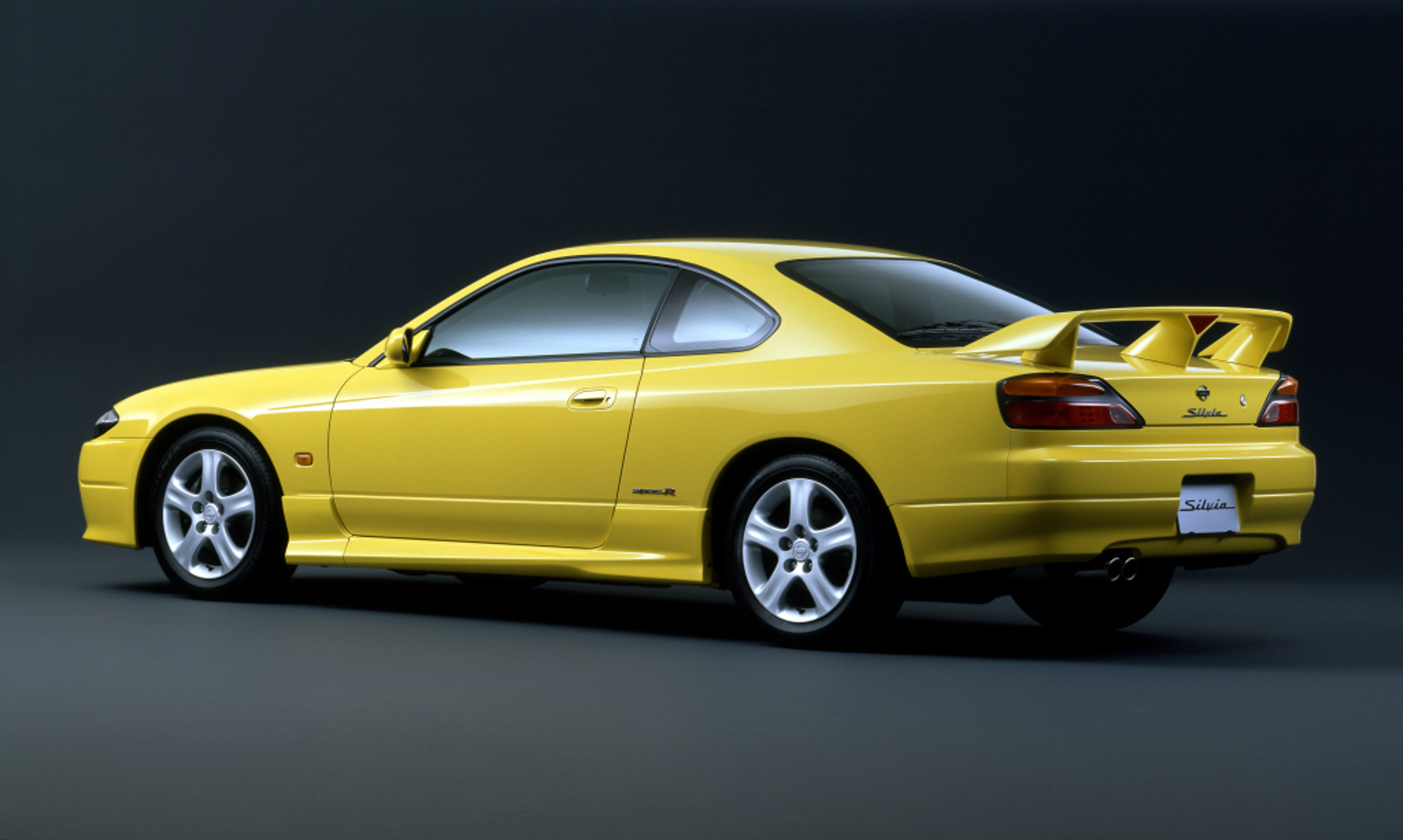


Nissan’s new CEO Ivan Espinosa has been on the job roughly a year, and already the promises are stacking up like cordwood. A new GT-R is in development. The Skyline nameplate is coming back. The Silvia is being “deeply” studied. And somewhere beneath all of it, a company that nearly merged with Honda out of desperation is trying to convince the world it can build cool cars again.
Richard Candler, who runs Nissan’s global product strategy, laid it out plainly this week from Yokohama: “We are really deeply looking at the sports car lineup again. We all want to do some cool cars.” Candler, whose first car was a Silvia bought in the UK, said the nameplate has real value and that there’s room for it beneath the Z and alongside a future GT-R. He even floated something smaller still.
The ambition is intoxicating. It’s also completely at odds with the math.
Nissan is in the middle of a brutal restructuring. The automaker plans to slash its global lineup from as many as 59 models down to 45. Eighty percent of future product will funnel into three core vehicle families, one of them a new body-on-frame platform anchored by the returning Xterra and aimed squarely at the truck-and-SUV profit machine that actually keeps the lights on.
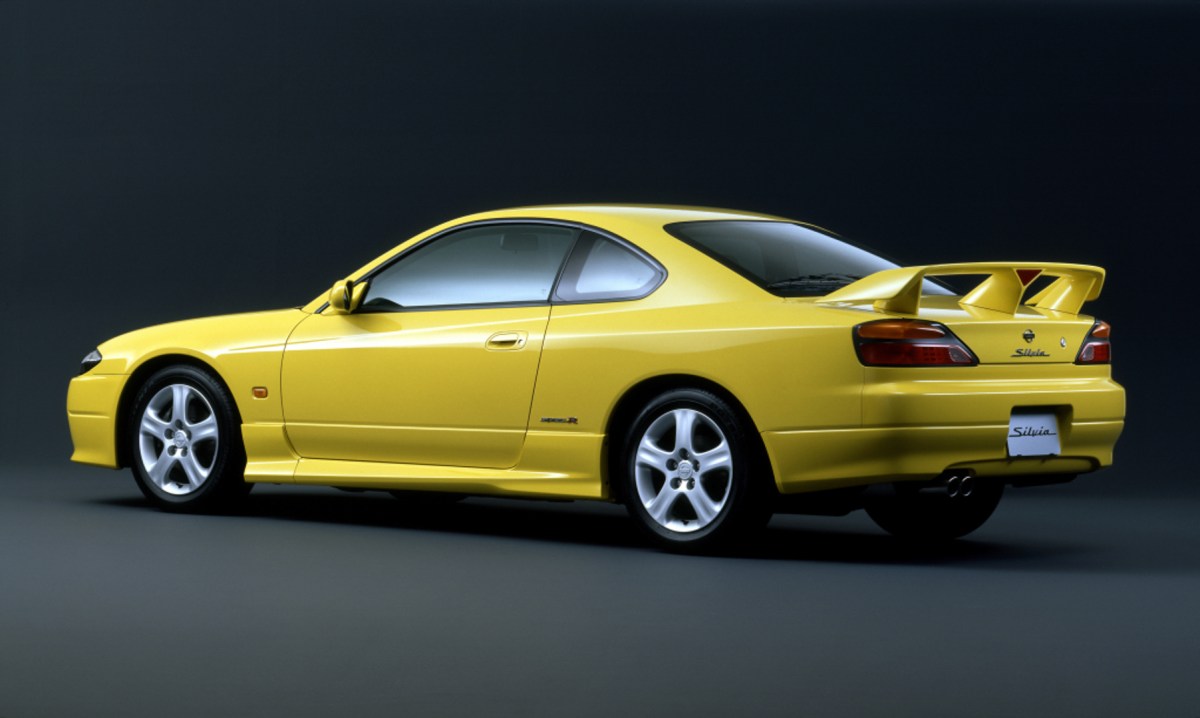
Candler acknowledged the tension directly, framing the sports car push as a reallocation play. Kill the low-volume models nobody will miss, redirect those engineering and homologation dollars into passion projects. “All of those cars consume money,” he said. “We could sort of stop those without a lot of business impact and then bring in, you know, let’s invest in the Silvia.”
It’s a tidy theory. Nissan has tried it before.
The company’s history is littered with revival plans that delivered genuine greatness before the accountants caught up. Project 901 in 1985 produced the 300ZX and R32 Skyline. The Ghosn era brought profitability and the R35 GT-R. Each cycle ended with cost cuts, layoffs, and another round of promises.
By 2019, Nissan was shedding 12,500 jobs. By 2024, it was in emergency talks with Honda about a merger that ultimately collapsed.
Espinosa confirmed to Motor1 that the next GT-R — the long-rumored R36 — is actively under development. He wouldn’t share specifics but insisted it would carry the same credibility and credentials the nameplate has always demanded. Some form of hybridization is likely, though an all-electric GT-R has reportedly been ruled out.
The Silvia question is thornier. Candler stressed that price accessibility is critical for that car, which means finding a platform and powertrain solution that doesn’t bankrupt the business case. Espinosa himself admitted the duality: one half of his brain wants to greenlight everything immediately, while the other half knows prudence is the only option for a company still bleeding.
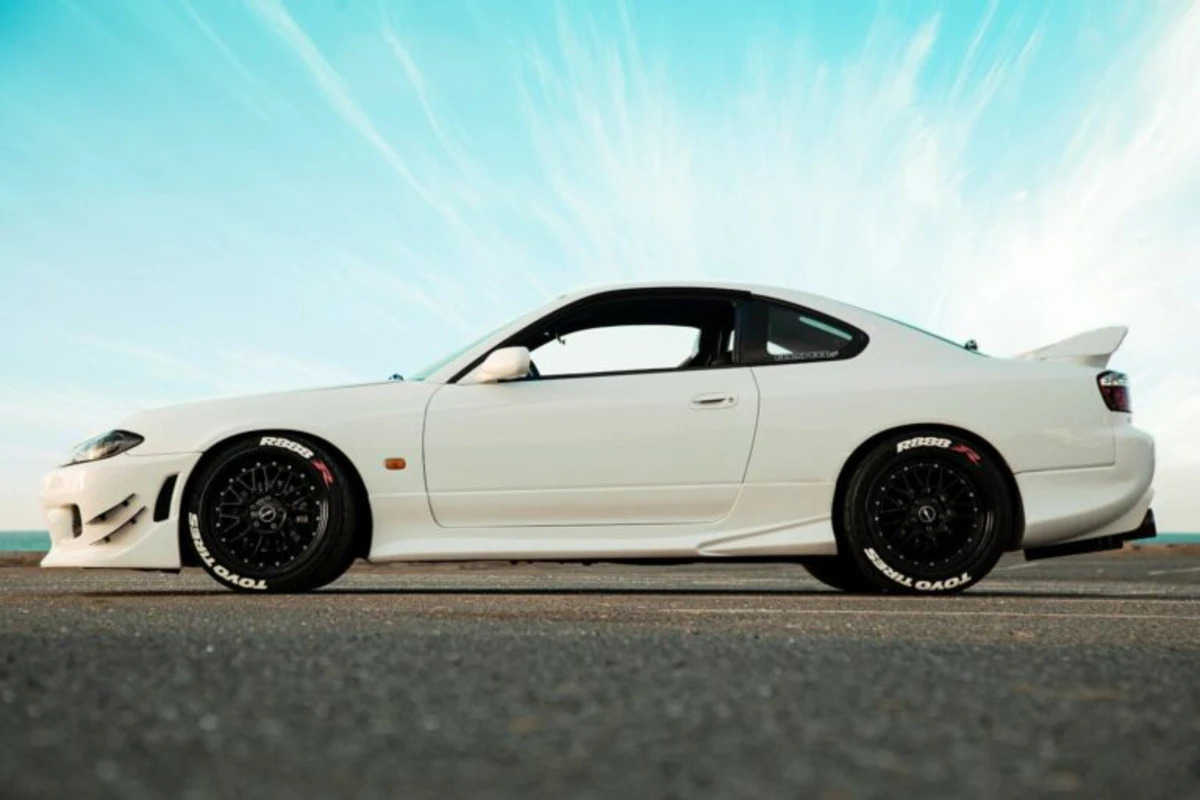
Ponz Pandikuthira, Nissan North America’s chief planning officer, vouched for his boss’s sincerity. If there’s a guy in this company who could find a way to bring a sports car like the Silvia back, it’s him,” he said.
Sincerity has never been Nissan’s problem. Execution has. The IDX concept wowed crowds in 2013 and never saw production. The current Z, while competent, has been treated like an afterthought — limited updates, limited marketing, limited commitment. One commenter on Motor1 put it bluntly: “If Nissan was serious, they’d make more effort on the current Z.”
That’s the credibility gap Espinosa and Candler are working against. Enthusiasts have heard “Nissan is back” so many times it’s practically a corporate catchphrase. The GT-R confirmation stirred real hope. But hope doesn’t ship cars, and Nissan has a decade of broken promises decomposing in its rearview mirror.
Trimming 14 models to fund a handful of halo cars is smart portfolio management on paper. Whether a company fighting for survival can simultaneously execute a truck platform, an SUV blitz, and a multi-car sports lineup is the question nobody in Yokohama seems eager to answer directly. Espinosa says step by step. History says that’s where Nissan usually trips.

Share this Story