
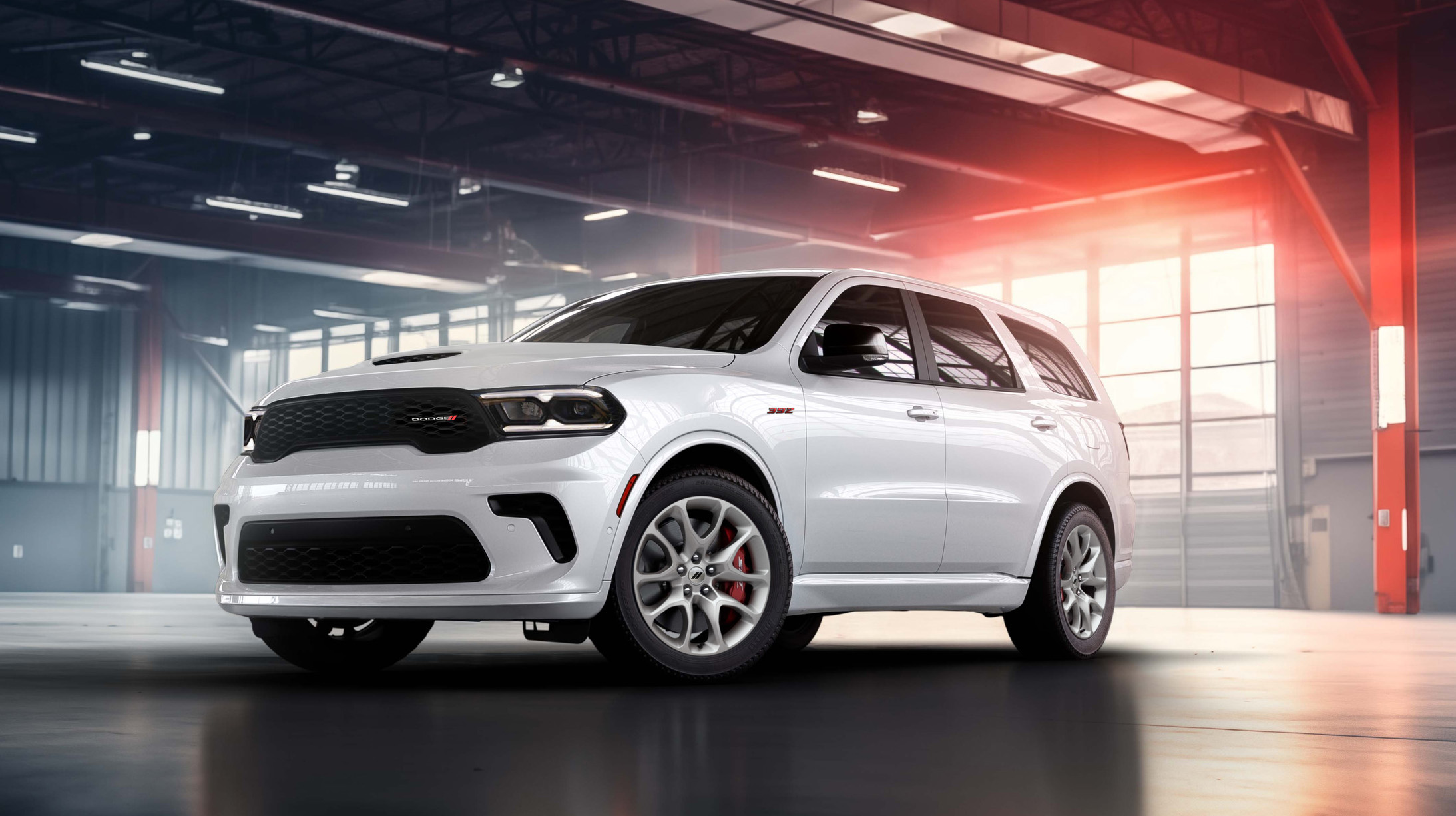


Ninety percent. That’s the share of Dodge’s total Q1 2026 sales captured by a single model: the Durango. Out of 22,693 vehicles sold under the Dodge banner in the first three months of the year, the aging three-row SUV accounted for roughly 20,400 of them. A vehicle Dodge threatened to kill multiple times is now, for all practical purposes, the only thing keeping the brand’s lights on.
Stellantis reported 305,000 total sales across all its brands for Q1, a modest 4% bump over the same period last year. That counts as progress after two brutal years of declining volume. In Q1 2022, the company moved 405,000 units. By 2024, that had shrunk to 330,000. The bleeding has slowed, but the patient is still on the table.
The Durango’s 48% year-over-year jump sounds respectable until you realize the math works out to about 6,600 additional units. The reborn Charger posted a flashier 59% increase, but that amounted to fewer than 1,700 cars total. You could fit Dodge’s entire non-Durango Q1 output into a moderately busy Toyota dealership’s quarterly report.
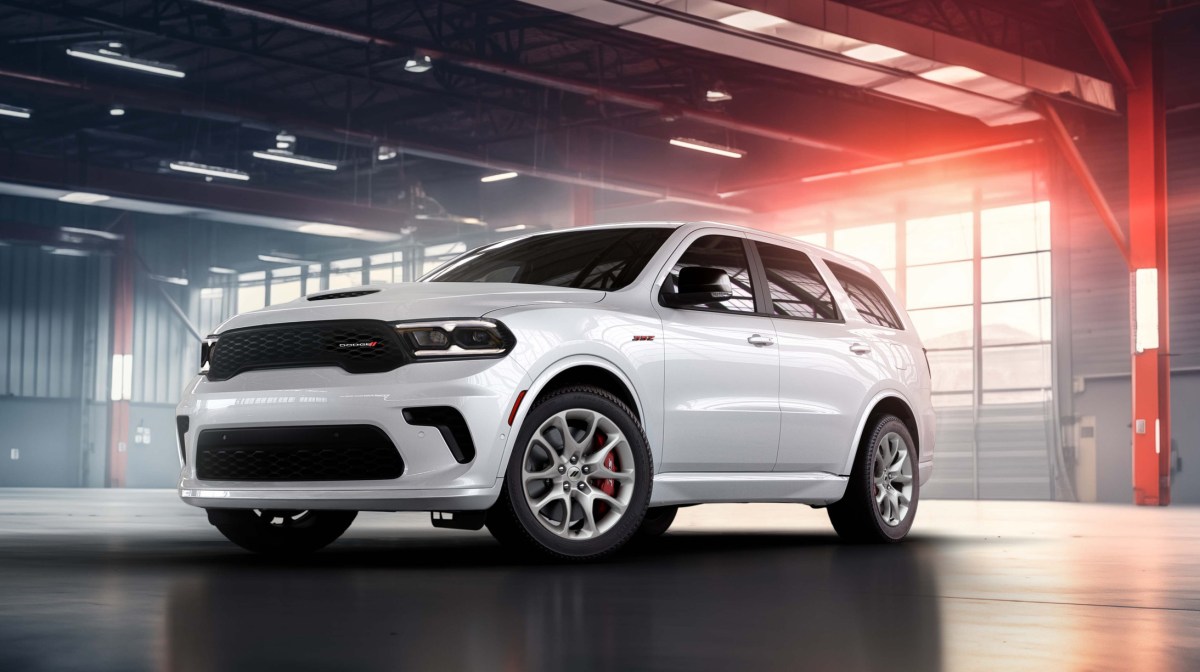
What makes this story strange is how deliberately Stellantis engineered it. The current Durango architecture dates back to 2011. The tooling is long paid off. Assembly happens in Detroit, making it tariff-proof in an era of escalating trade tensions.
Dodge brought back the 6.4-liter V8, made the Hemi nearly standard, and even resurrected the Hellcat trim. Then it slashed pricing to levels competitors can’t touch on a comparable three-row with that much power.
It’s a clever short-term play. Fleet buyers, who likely account for a big chunk of those Durango numbers, got the Pentastar V6 option first. Dodge then opened that cheaper engine to retail customers too, and the volume followed. The Durango hasn’t posted a Q1 this strong since 2021, when it moved 20,560 units.
But in 2021, Dodge also had the Challenger and Charger twins combining for more than 34,000 sales in the same quarter. That muscle car volume is gone. The new Charger, despite its dramatic redesign and the addition of electric variants, isn’t filling the gap. Not even close.
The zombie car footnotes in Stellantis quarterly reports have become a tradition at this point. Last-generation Challengers and Jeep Renegades both appeared on the Q1 2026 sales sheet, ghosts of discontinued models still haunting dealer lots somewhere in America. It tells you something about Stellantis inventory management that vehicles killed off years ago are still trickling out the door.
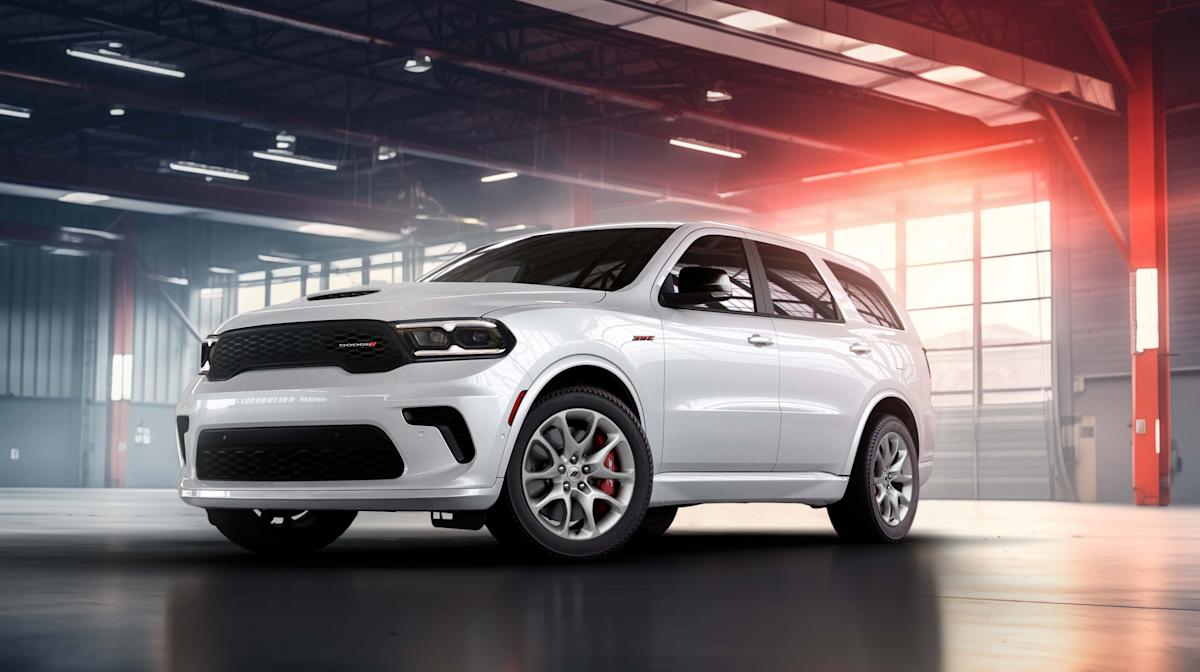
Dodge’s situation is more acute than a few leftover Challengers, though. This is a brand that once defined American performance, a brand that sold more than 50,000 vehicles in a single quarter without breaking a sweat. Now it’s a 15-year-old SUV and a rounding error.
The Durango is genuinely good at what it does. It tows well, especially with the big-engine trims that bring beefier brakes. It offers space, power, and value that few competitors match at its price point.
None of that changes the fundamental problem: Dodge has no high-volume crossover, no entry-level SUV, no product to catch the customers who don’t need a three-row or a 700-horsepower sedan.
Stellantis can milk the Durango’s paid-off tooling for margins all day long. That’s smart business for a company in recovery mode. But a brand cannot survive as a one-model operation forever. Every quarter the Durango carries Dodge alone is another quarter the clock ticks louder on a nameplate that desperately needs a real product plan, not just a very old truck with a very good engine.
Share this Story