
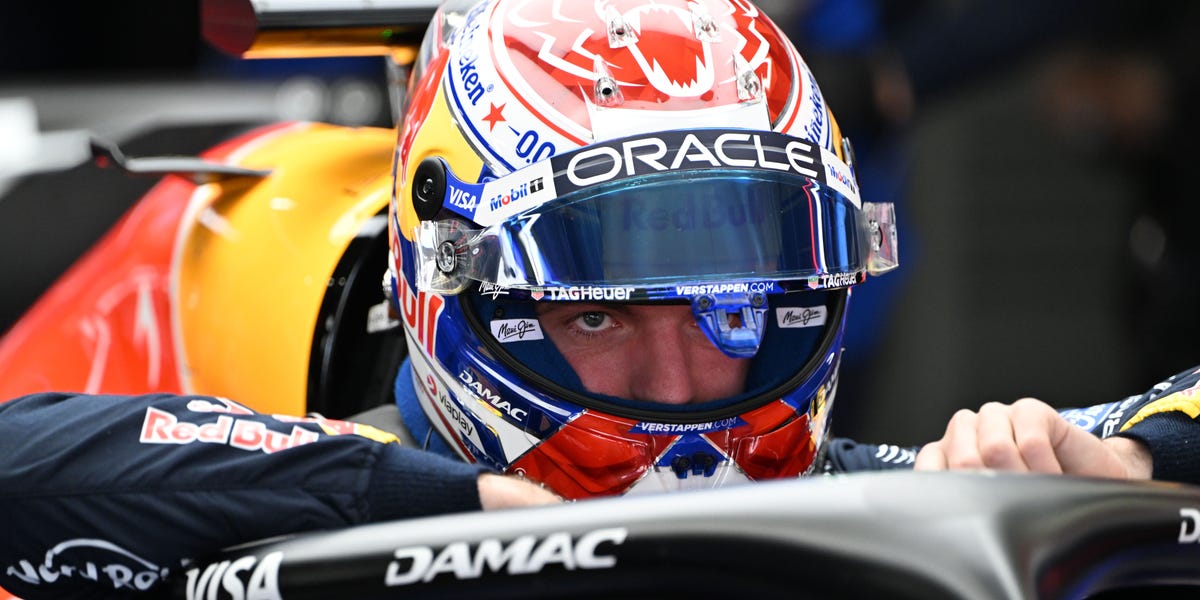


Three races into Formula 1’s new era, and the drivers are done being polite. The Japanese Grand Prix at Suzuka turned simmering frustration into open revolt, with the grid’s biggest names lining up to trash the 2026 power unit regulations that have turned qualifying from a knife-edge sprint into an energy management spreadsheet.
Carlos Sainz, now at Williams, summed up the absurdity in one sentence: “The more you pushed, the slower you went.” He gained time in every corner during qualifying, attacked Suzuka’s legendary high-speed sections the way a driver should, and lost a tenth overall because the power unit punished him on the straights. Superclipping — the system that harvests energy even under full throttle, sapping speed — ate whatever he’d gained through sheer talent.
The FIA had already implemented a small tweak to the energy deployment rules before the Suzuka weekend. It wasn’t enough. Drivers were still running dry on the charge to the chicane, and the famous Esses — corners that once separated the extraordinary from the merely great — felt pedestrian, taken on internal combustion power alone with no electrical assist.
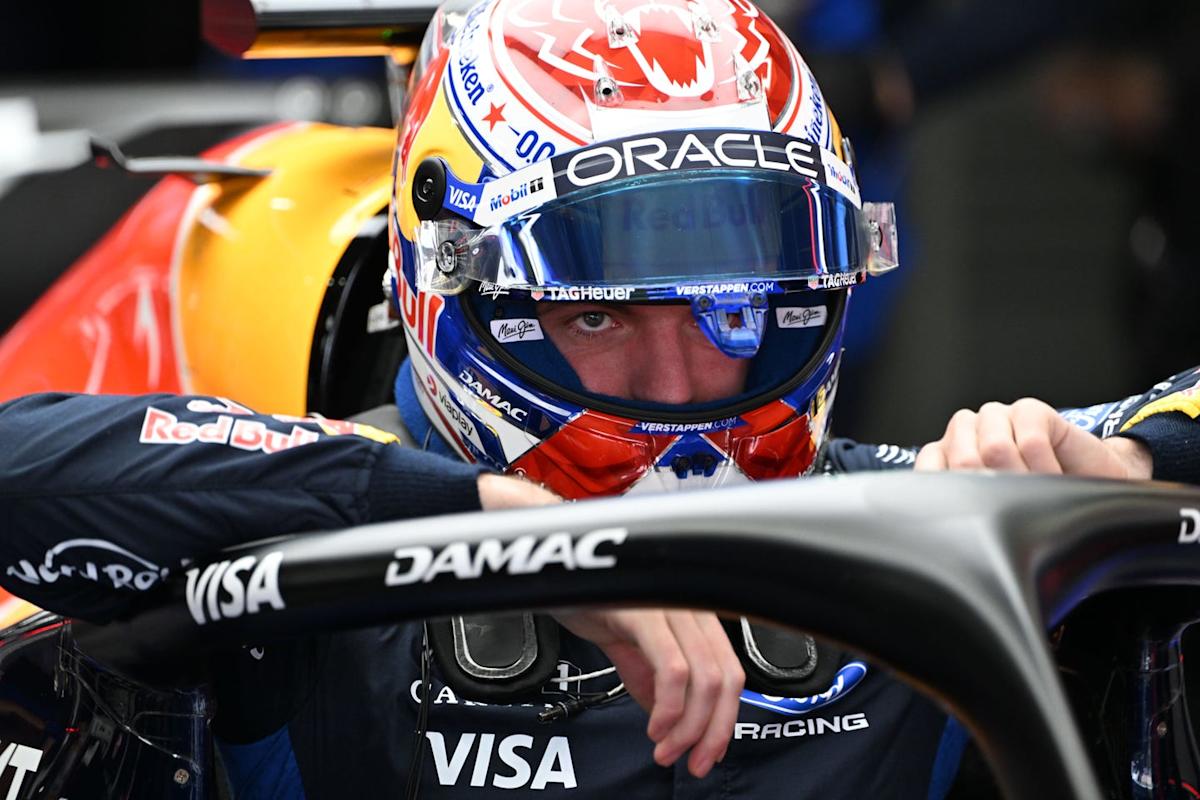
Fernando Alonso, who has been driving F1 cars since 2001, didn’t mince words. “Fifty percent of the team members can drive in Suzuka,” he said. High-speed corners now become the charging station for the car. So you go slow there, you charge the battery, and then you have the full power on the straight. Driver skill is not really needed anymore.”
Lando Norris, measured as always but unable to hide his disappointment, said watching 56 km/h bleed off on the straight “hurts your soul.” He acknowledged Suzuka still felt special, still felt quick, but admitted the comparison to 2025 was grim. “Does it feel as amazing as last year? No. I don’t think any track will.”
Max Verstappen, running between seventh and twelfth in the standings, has been the loudest critic since pre-season. At Suzuka he was resigned rather than angry, accepting that any mid-season fixes will be cosmetic. “For this year, it will be like tiny little changes,” he said. I just hope the changes are big enough for next year.”
That hope may be misplaced. The drivers met Friday with FIA technical boss Nikolas Tombazis, the architect of the 2026 regulations, and the feedback loop exposed the sport’s central dysfunction. Everyone agrees the problem exists, but the teams and power unit manufacturers hold the keys to any fix, and their interests don’t align.
Lewis Hamilton captured it perfectly. “There’ll be a lot of chefs in the kitchen,” he said. “And it doesn’t usually end up with a good result.”
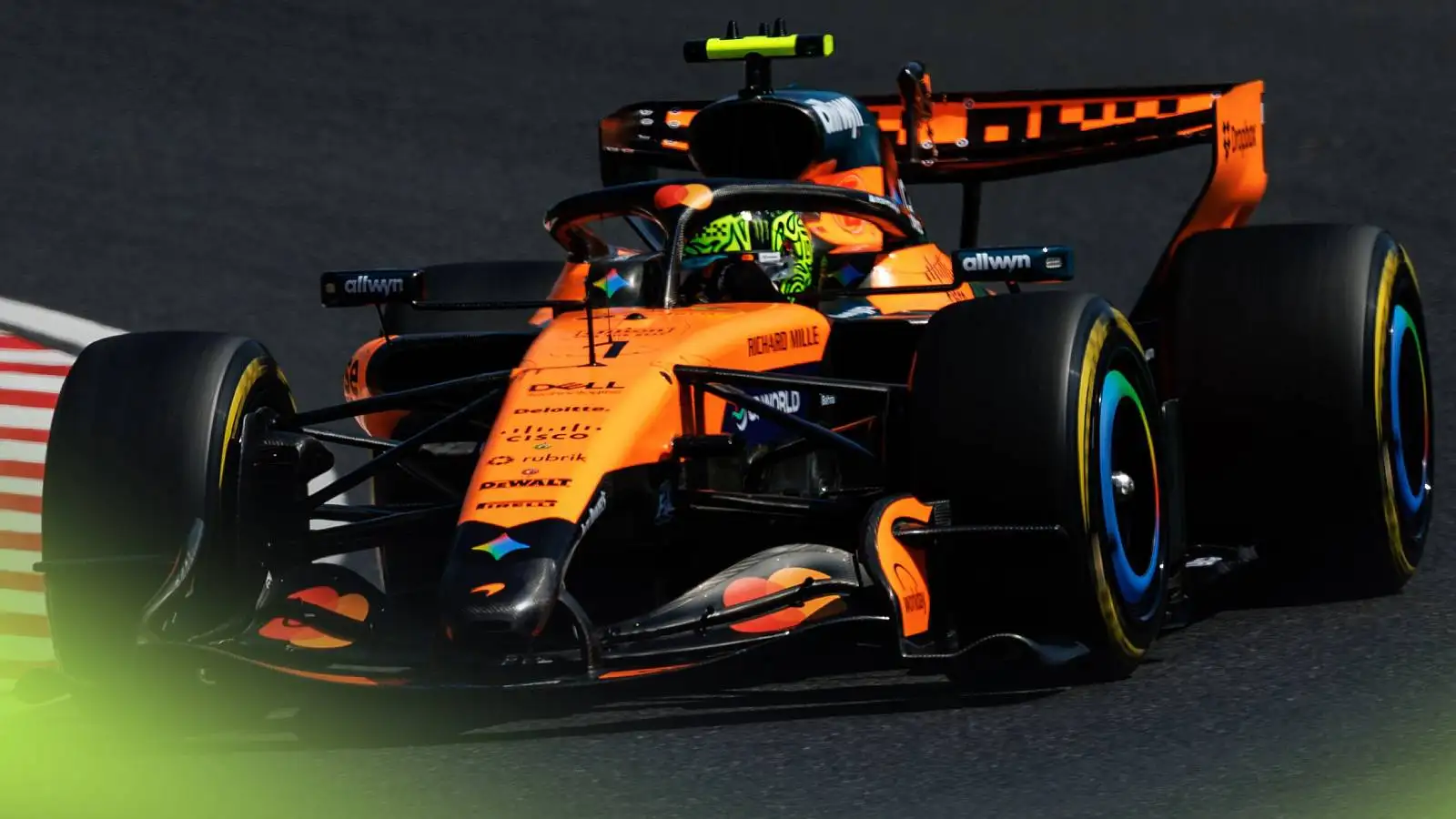
Sainz, now a director of the Grand Prix Drivers’ Association, echoed that fear. “I’m a bit worried that the teams will push back. Some teams will be against changing it too much, because they have other interests.” He then admitted something remarkable for a man who drives these machines for a living: “I don’t understand the regulations enough to give you a solution.
When a two-time world champion says half his team could handle the car, and a former champion confesses the rulebook has outgrown his comprehension, Formula 1 has a credibility problem that no amount of great wheel-to-wheel racing in Melbourne and Shanghai can paper over.
The cancelled Middle Eastern rounds have opened a gap in the calendar before Miami, giving the FIA a window to push through further qualifying tweaks. The first three races provided the data. The driver testimony is unanimous and damning.
The question now is whether the political machinery of ten teams and four engine manufacturers can agree on a meaningful response, or whether the sport limps through 2026 hoping 2027 will be the real fix.
F1 spent years selling the 2026 regulations as the future. Three weekends in, the present is a sport where going faster makes you slower, and Suzuka’s Esses have become a battery charger. That’s not a regulation problem. That’s an identity crisis.



Share this Story