



Jim Farley landed in Australia last week talking about dreams and left talking about leverage. The Ford CEO used his visit around the Australian Grand Prix to float the revival of the country’s beloved ute — the car-based pickup that defined Australian motoring for decades — while simultaneously warning the Albanese government that 1,500 engineering jobs in Victoria could vanish if conditions don’t change.
The two messages are inseparable, and that’s by design.
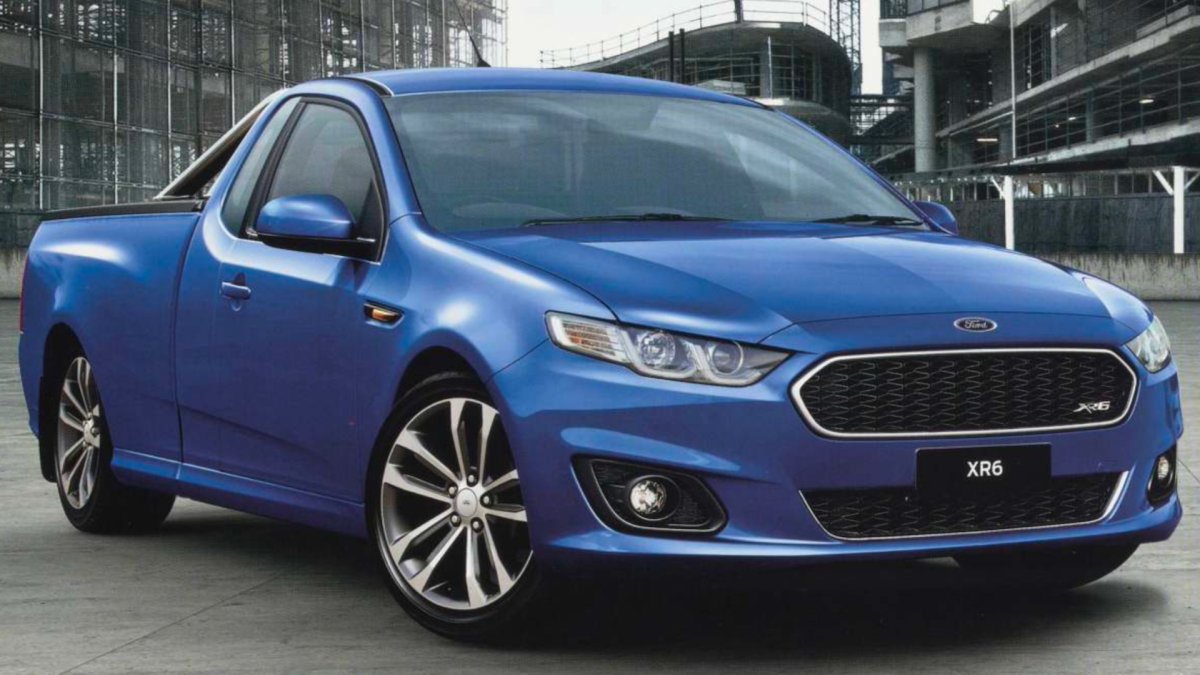
On one hand, Farley told local outlet CarExpert he’s “pretty serious” about bringing back something inspired by the Ford Falcon Ute, the rear-drive workhorse that rolled off Australian lines from 1961 until Ford shuttered local manufacturing in 2016. “I think this country gave the globe the ute,” he said. He promised a purpose-built vehicle for the Australian market, not a rebadged Maverick with right-hand drive.
He talked about tougher duty cycles, more commercial appeal, and an emphasis on efficiency — likely a hybrid, since Australia’s emissions rules make a V8 a near-impossibility.
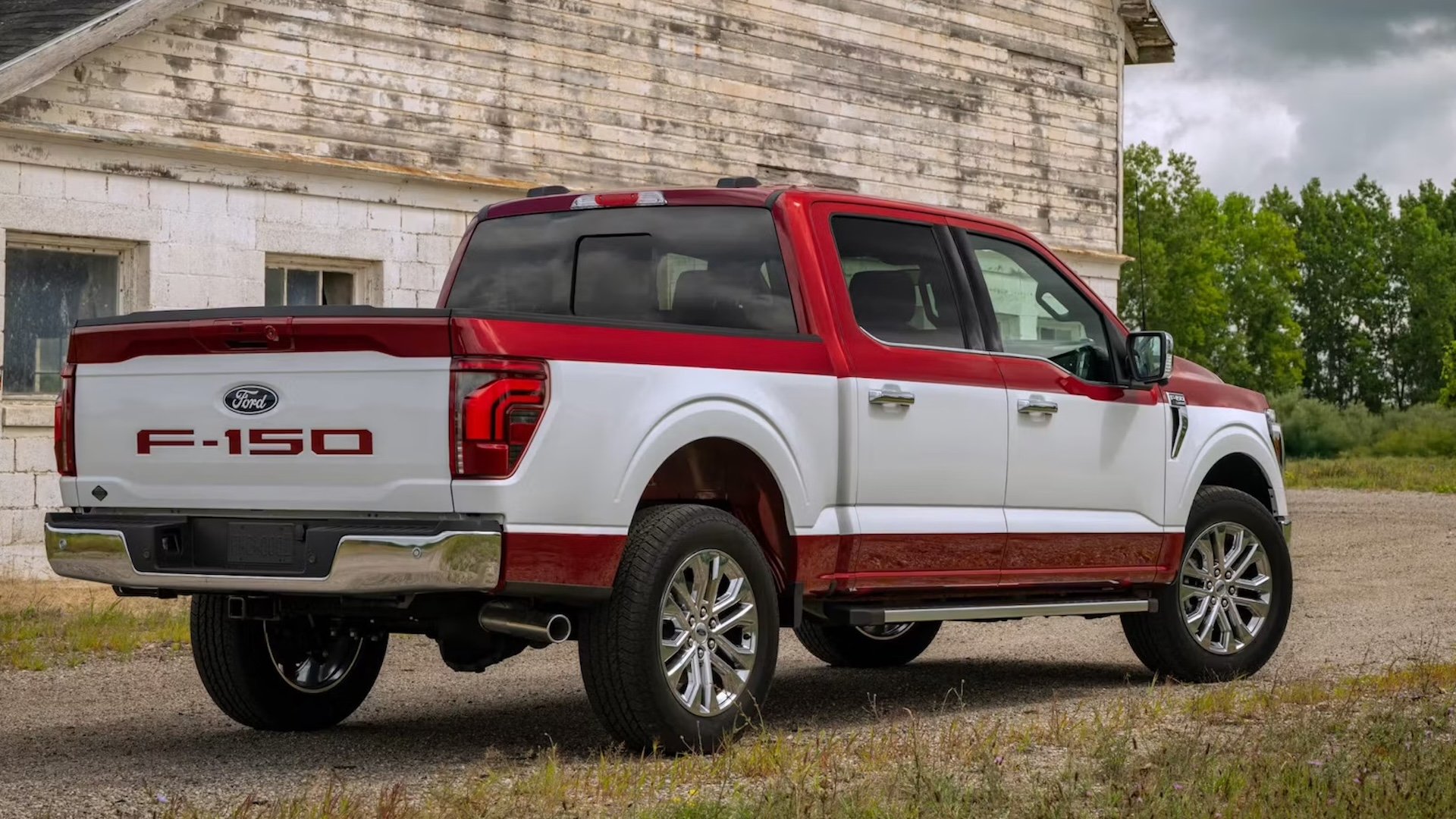
On the other hand, Farley told News.com.au that Australia risks becoming “a nation of hairdressers” without a viable automotive engineering sector. He lobbied directly against the government’s New Vehicle Efficiency Standard, which penalizes manufacturers selling high-emissions vehicles like the Ranger and Raptor — Ford’s bread and butter Down Under. He called the CO2 roadmap “not sustainable” and said the emissions targets have been pushed “arguably way beyond the customer requirements.”
The subtext isn’t hard to decode. Ford employs more than 1,500 engineers in Victoria who developed the globally successful Ranger and Everest. Farley wants the government to help offset the cost of keeping that talent onshore rather than shifting it to China or Vietnam.
The ute revival, romantic as it sounds, is also a bargaining chip: invest in us, ease the regulatory pressure, and we’ll invest in you.
Farley’s awareness of the competitive threat was sharp and specific. He test-drove the BYD Shark 6 and GWM Cannon Alpha during a Queensland road trip and came away impressed. The Shark 6 sells for $57,900 drive-away while Ford’s hybrid Ranger starts around $79,000. China overtook Japan and Thailand last month as the number one source of new vehicles sold in Australia.
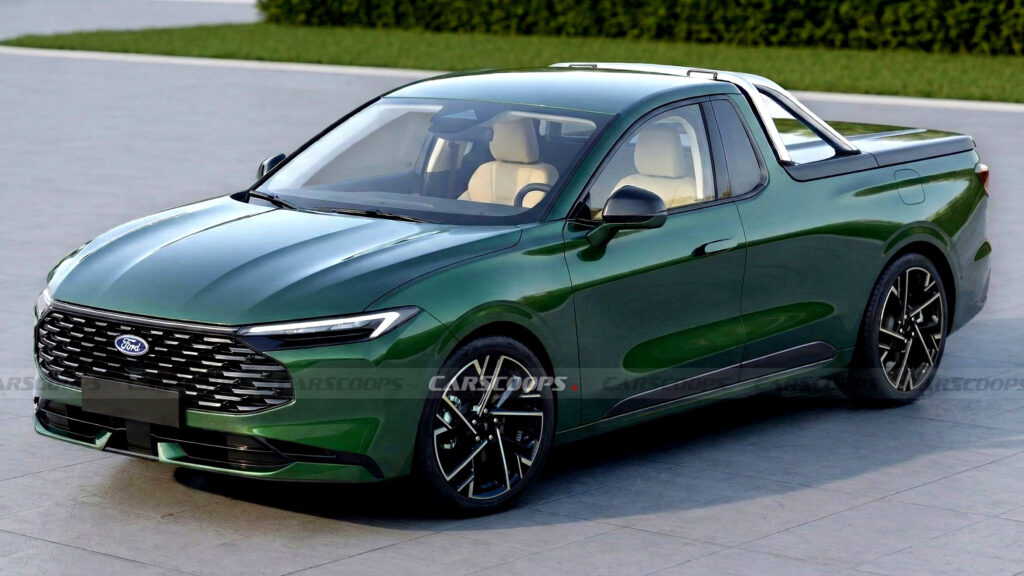
The ute concept itself remains vague. Farley said he would make a decision before leaving Australia, but his trip ended Friday with no formal announcement. He hinted at a unibody platform, possibly shared with models like the Ford Territory sold in South Africa, equipped with a small turbocharged or hybrid powertrain.
It would need to share enough architecture with a global product to justify development costs while still feeling distinctly Australian. That’s a needle few automakers have threaded successfully.
Farley’s personal enthusiasm appears genuine. He mentioned that his son is a fan of the high-performance Falcon Utes, particularly the wild supercharged V8 FPV Pursuit from 2014. He also recently softened Ford’s stance on sedans in North America, taking a “never say never” position after years of SUV-or-nothing orthodoxy.
But enthusiasm doesn’t write business cases. Ford walked away from Australian manufacturing a decade ago when the economics stopped working. Farley himself acknowledged as much, saying Ford “was desperate to stay” but the government prioritized other industries.
Now he’s back, dangling a heritage product that would electrify Australian buyers while demanding regulatory relief and cost equalization in the same breath.
It’s a classic Farley move — equal parts passion and calculation. Whether Australia gets its ute back depends less on nostalgia and more on whether Canberra blinks on emissions policy and engineering subsidies. Farley knows that. He didn’t fly halfway around the world just to reminisce about Falcons.
Share this Story