
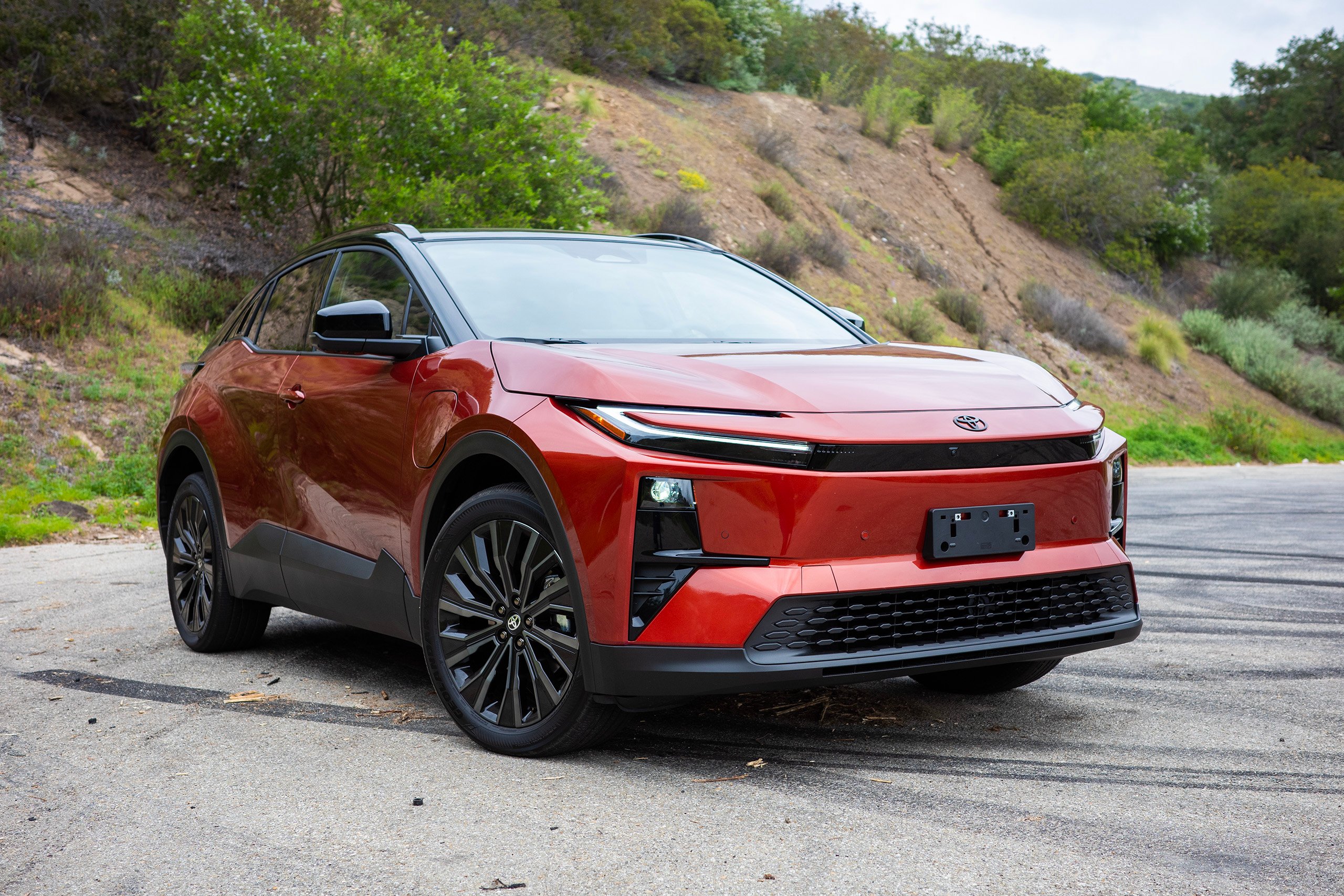


Toyota is reportedly planning to build 200,000 extended-range electric vehicles next year, with production doubling to 400,000 by 2028. The initial rollout targets China, where even a market saturated with battery-electric vehicles still wrestles with charging infrastructure gaps.
This is not a toe-dip. This is a cannonball.
Extended-range EVs, or EREVs, pair a battery-electric drivetrain with a small gasoline engine that acts purely as a generator to recharge the battery on the go. They differ from traditional plug-in hybrids because the gas engine never directly drives the wheels. In China, the format has surged in popularity as a pragmatic middle ground, offering EV driving dynamics without the range anxiety that still dogs pure battery cars in regions where fast chargers remain unevenly distributed.
For Toyota, the move reads as a calculated play. The company spent years defending its hybrid-first strategy while competitors sprinted toward full electrification. Critics called it slow. Toyota called it patient.
Now, with EV demand growth cooling in several global markets and consumers showing renewed interest in vehicles that don’t demand a complete lifestyle change, Toyota’s incrementalism looks less like hesitation and more like positioning.
The EREV strategy fits neatly into that pattern. Toyota doesn’t have to abandon its deep combustion engine expertise. It doesn’t have to bet everything on battery costs falling fast enough.
It gets to sell a vehicle that drives like an EV, appeals to green-minded buyers, and still works in places where the grid hasn’t caught up with the ambition.
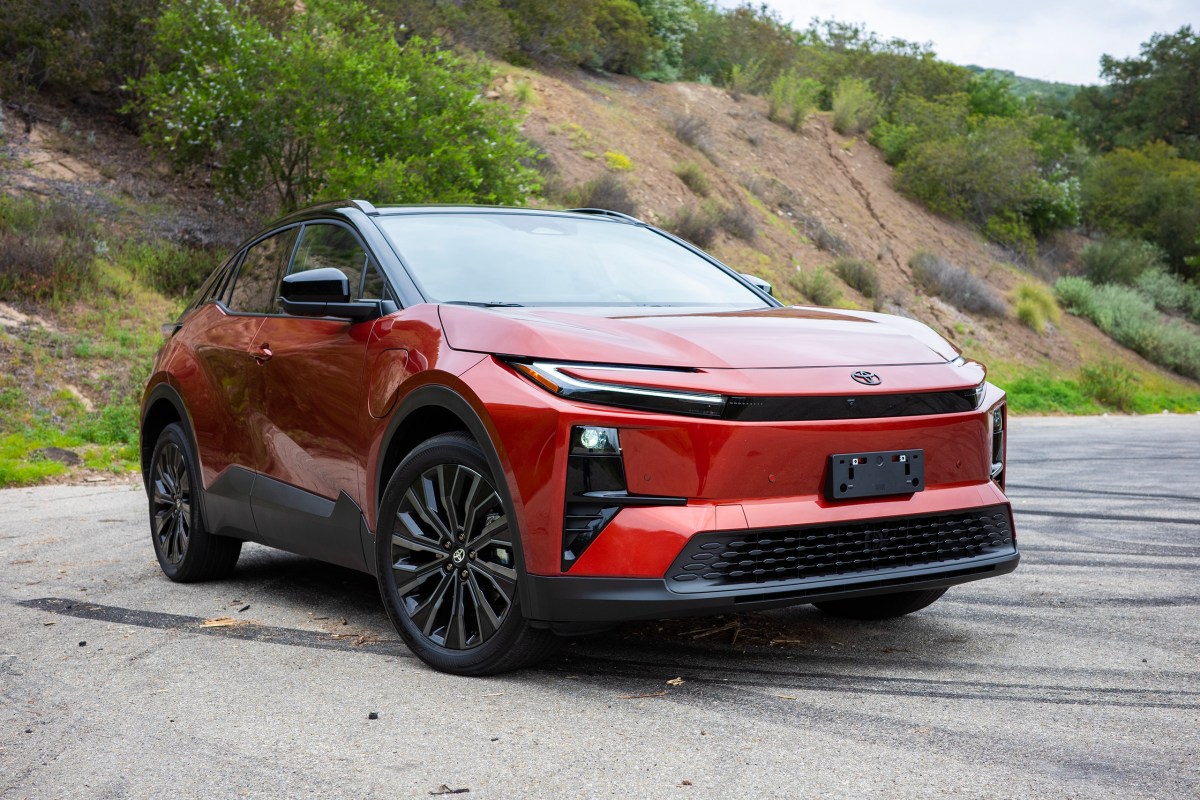
China is the obvious launchpad. The market rewards electrified vehicles with regulatory benefits, and Chinese consumers have already embraced the EREV concept through domestic brands like Li Auto, which built its entire business around the technology. Toyota entering that arena with serious volume signals it sees the format as more than a niche.
The open question is whether EREVs will migrate to Toyota’s global lineup. There’s been no official word on launches outside China. But given the scale Toyota is committing to, it’s hard to imagine the company developing an entirely new powertrain architecture for a single market.
The economics alone would push toward broader deployment, especially if the vehicles sell.
What makes the 200,000-unit year-one target so striking is the confidence it implies. Toyota isn’t piloting a few thousand units to test demand. It’s ramping to a volume that would make its EREV operation larger than most standalone EV brands manage globally.
Doubling to 400,000 by 2028 would place it among the top EREV producers in the world within two years of launch.
The timing also matters. Battery-electric sales growth has plateaued in Europe and slowed in the United States. Plug-in hybrids are having a quiet renaissance. Consumers who want electrification without the infrastructure headaches are a massive, underserved segment in most markets outside China.
Toyota has spent the last five years absorbing criticism for not going all-in on battery-electric vehicles. It responded by selling more hybrids than ever. Now it’s layering in a technology that looks increasingly like the bridge millions of buyers actually want, and doing it at a scale that suggests this isn’t an experiment.
Whether the rest of the world gets these vehicles, and how quickly, is the next chapter Toyota hasn’t written yet.
Share this Story