
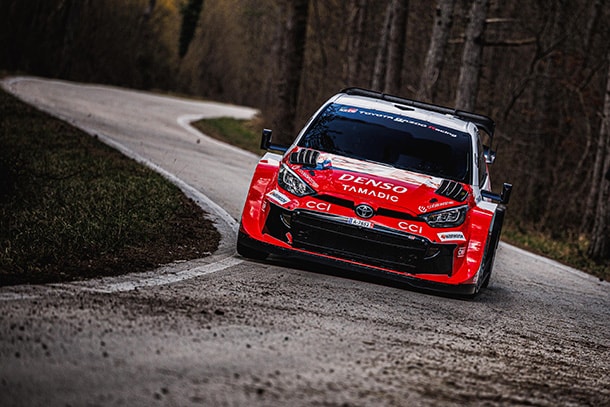


Toyota GAZOO Racing has won every Croatia Rally ever held as a World Championship round. All four of them. Now, as round four of the 2026 WRC season approaches on April 9-12, the team that owns this event is about to discover whether dominance travels well, because nearly everything about this rally has changed.
The Croatia Rally returns after a year’s absence with its base relocated 150 kilometres south-west from Zagreb to the Adriatic coastal city of Rijeka. The service park sits at the Grobnik racing circuit. All but three of the stages are brand new to the WRC, and for a team built on meticulous preparation, that’s a significant reset button.
Elfyn Evans, the 2023 Croatia winner, put it plainly: “There are more unknowns this year with the event moving towards the coast.” He and his co-driver will be writing fresh pacenotes from scratch during recce, a leveling exercise that strips away the advantage of experience.
The championship picture adds pressure. Evans leads the drivers’ standings by eight points over team-mate Oliver Solberg. Just three points behind Solberg sits Takamoto Katsuta, who broke through with his maiden WRC victory in Kenya.
Three Toyota drivers occupying the top three positions is a luxury, but also a management headache for team principal Jari-Matti Latvala. Nobody’s yielding to anybody.
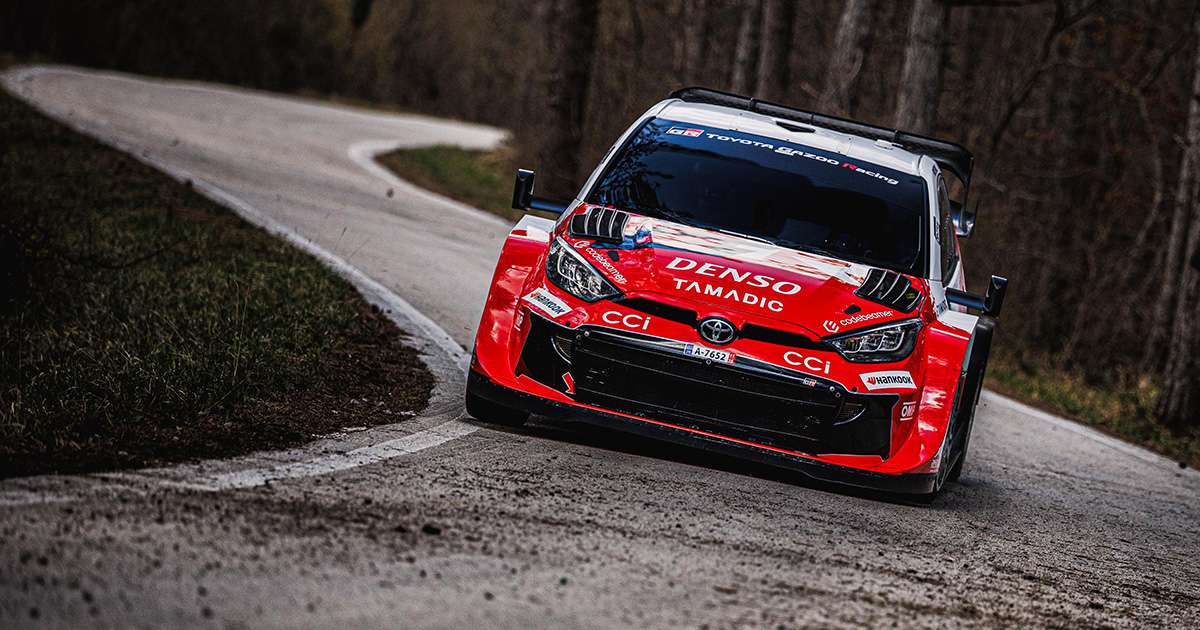
Katsuta’s pre-event test featured rain and snow. Evans reported wet and muddy conditions during his own preparation. Pajari, coming off consecutive podiums in Sweden and Kenya, tested in dry conditions on fast, flowing roads.
Three different drivers, three wildly different weather windows. Croatia’s reputation for unpredictable grip levels apparently extends to the test stages too.
The event format packs real variety. Friday sends crews west onto the Istrian peninsula for four stages run twice. Saturday heads east toward Karlovac with another doubled loop, and Sunday’s finale unfolds above the Kvarner Gulf and the Adriatic.
This is also the opening salvo in a brutal stretch: three rallies in five weeks, with the Canary Islands just two weeks after Croatia and Portugal a fortnight later. Evans acknowledged his test had to account for both Croatia and the Canaries simultaneously, a compromise that may blunt preparation for either.
Toyota defends a 43-point lead in the manufacturers’ championship, a cushion that looks comfortable until you remember how quickly asphalt events can reshuffle the order. One puncture, one wrong tyre call in mixed conditions, one moment of overconfidence on an unfamiliar corner — Croatia has delivered all of these before.
Solberg called the rally “kind of like a mild Monte-Carlo,” which undersells it. The cuts, the dirt dragged onto the asphalt, the surface transitions mid-stage — Croatia punishes the impatient and rewards the adaptable. Solberg’s Monte-Carlo pace earlier this season suggests he can handle tricky asphalt, but new roads test nerve differently than familiar ones.
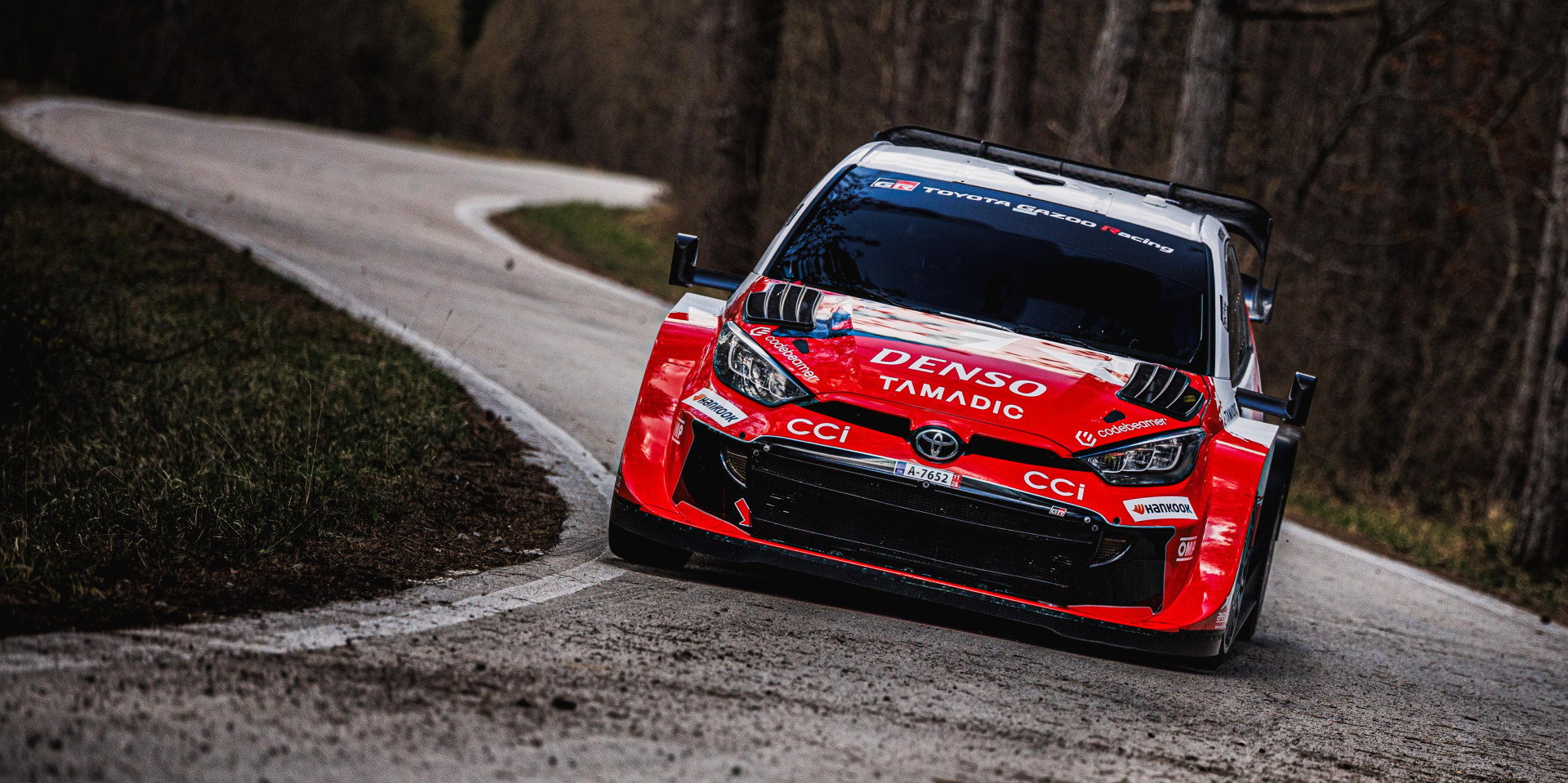
Sami Pajari rounds out the team’s Rally1 contingent aboard the second-team entry. His first WRC podium came on asphalt in Japan last year, and consecutive top-three finishes have him riding genuine momentum. Meanwhile, Yuki Yamamoto returns in a GR Yaris Rally2 after recovering from a pre-Sweden testing crash — a quiet storyline worth watching.
Toyota’s four-for-four record in Croatia is remarkable. But records built on one version of an event don’t automatically transfer to another. New roads, new base, new challenges.
The team still has the fastest car on asphalt and three drivers atop the championship. Whether that’s enough to extend the streak on stages nobody has seen before is the only question that matters heading into Rijeka.
Share this Story