
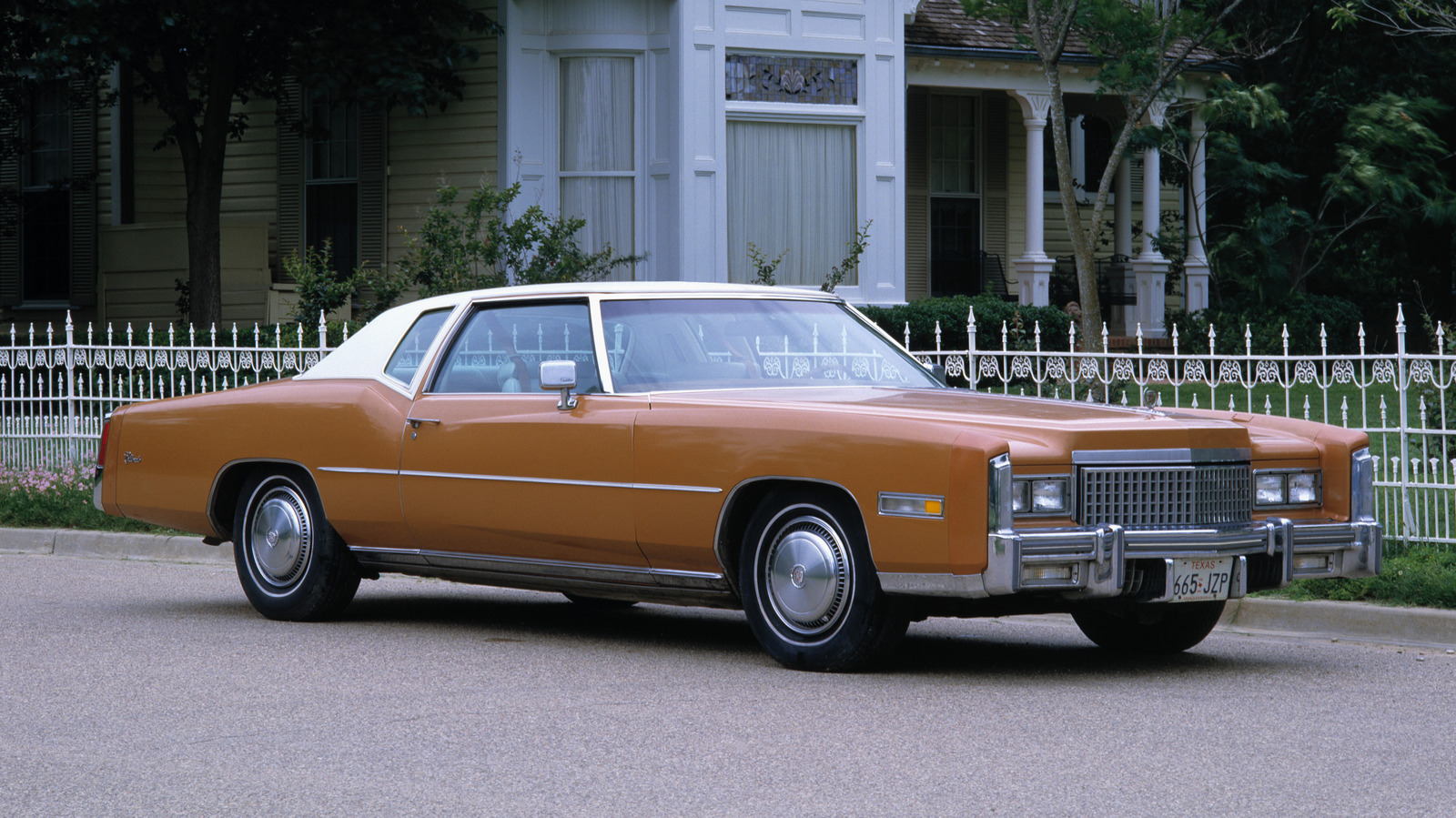


A 1973 Imperial LeBaron stretched 235 inches from bumper to bumper — nearly twenty feet of unapologetic American excess. It remains the longest non-limousine mass-produced passenger car ever built. Try parking that at a Whole Foods.
Jalopnik recently asked its readers to name the greatest land yachts ever sold in the United States, and the responses landed exactly where you’d expect: deep in the 1960s and ’70s, when Detroit treated sheet metal like canvas and fuel economy like someone else’s problem.
The nominations read like a roll call from a forgotten America. A 1975 Cadillac Eldorado with a 500-cubic-inch V8 that managed just 190 horsepower — an engine so magnificently inefficient it could drain a tank while the driver watched the needle drop in real time. A 1974 Lincoln Continental with steering so disconnected from the road that an arcade game offered better feedback.
A 1971 Oldsmobile 98 Regency stretched so long you could lie on the hood without your feet hanging over the front. These weren’t sports cars. They weren’t trying to be.
They were rolling living rooms built for a country that had cheap gas, wide highways, and zero interest in restraint.
One reader described driving a 1969 Cadillac Coupe de Ville as “graceful as a fat man dancing.” The car responded instantly to two-finger steering inputs and launched with massive torque and no drama. Its only flaw was the gas gauge visibly retreating under hard throttle — a machine engineered when fuel cost twenty-nine cents a gallon.
The Buick Roadmaster Wagon earned a nod as the best balance of modern comfort, size, and usable space. A 1966 Buick Electra 225 with the 465 Wildcat engine was called “an absolute joy to drive and a level of comfort no modern vehicle can match.” A 1984 Chevrolet Caprice two-door had suspension so soft that a pothole sent it floating for two miles, with body roll severe enough to scrape door handles on pavement.
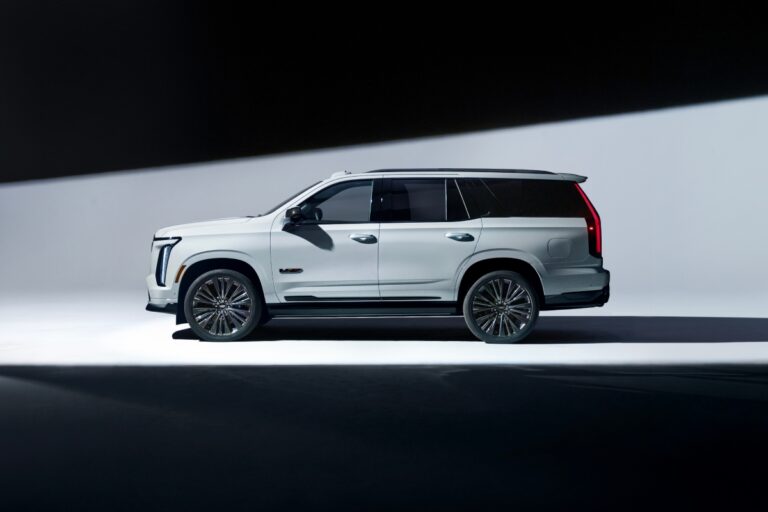
Nobody nominated an Escalade. Nobody nominated a GLS. Nobody even mentioned a modern vehicle.
That silence says everything about what’s been lost. Today’s luxury market has consolidated around SUVs and crossovers — taller, heavier, more capable in ways nobody uses, and wrapped in enough safety technology to insulate every occupant from the act of driving itself. They are comfortable in the way a business-class seat is comfortable: competent, antiseptic, forgettable.
The land yachts of the ’60s and ’70s were none of those things. They were absurd. A 1975 Chrysler New Yorker at 19.2 feet long was enormous even by the bloated standards of its era.
A 1974 Ford Thunderbird carried childhood memories in its massive frame. These cars wore their excess on the outside, draped in chrome and powered by engines that prioritized torque over thermal efficiency.
They were also honest about what they were. A Continental never pretended to be sporty. An Electra 225 never claimed to handle.
They offered one thing — effortless, wallowing, continent-crossing comfort — and delivered it without apology.
The modern luxury SUV promises everything: performance, capability, technology, safety, space. It delivers most of it reasonably well. But ask anyone who’s driven a real land yacht whether a Cadillac Escalade matches the experience of a ’69 Coupe de Ville, and the answer comes back the same way every time.
Detroit used to build cars that were too long, too heavy, too thirsty, and absolutely glorious. The readers who remember them aren’t nostalgic for the fuel economy. They’re nostalgic for a time when a car could be magnificent precisely because nobody told it not to be.


Share this Story