
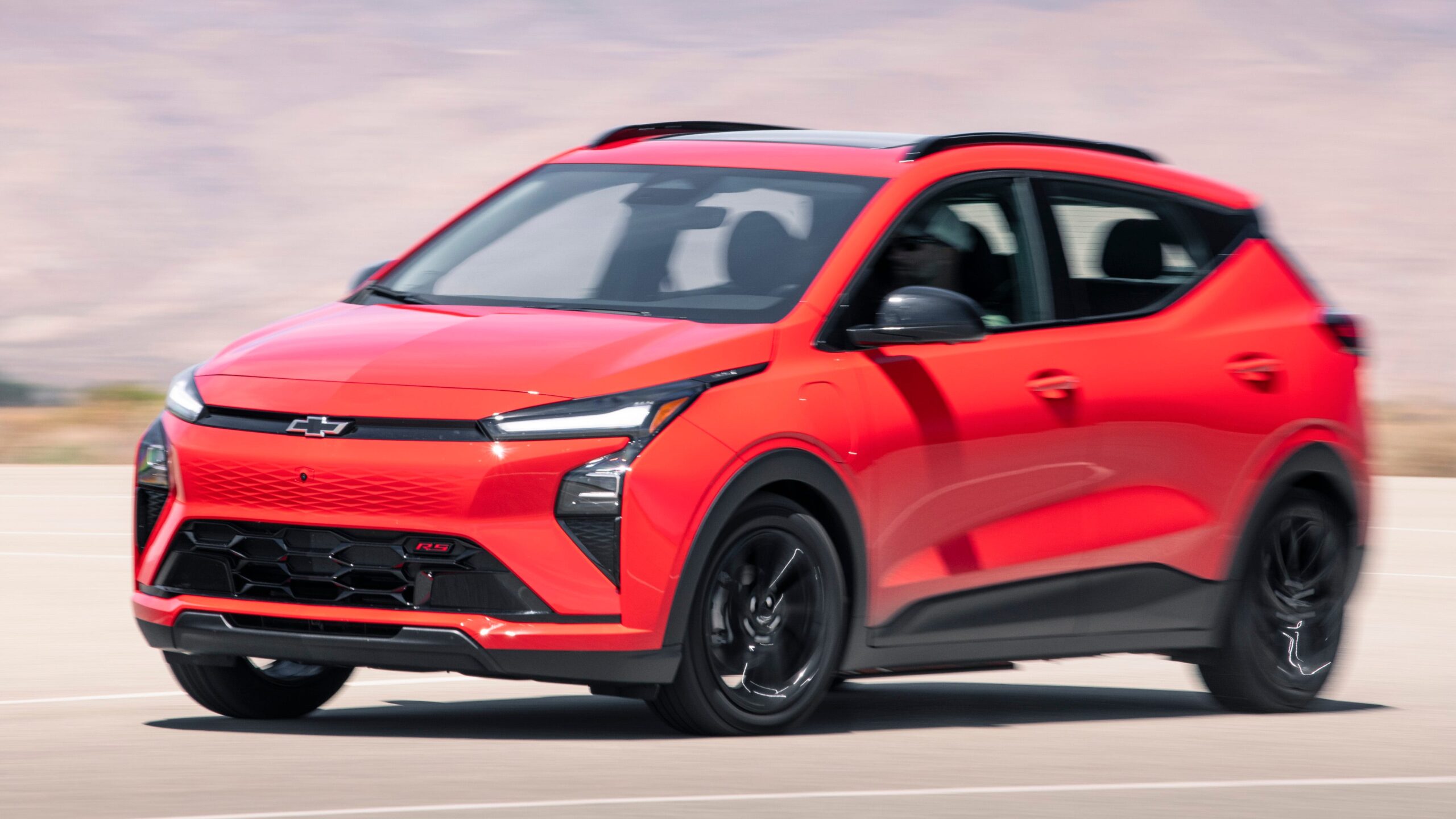


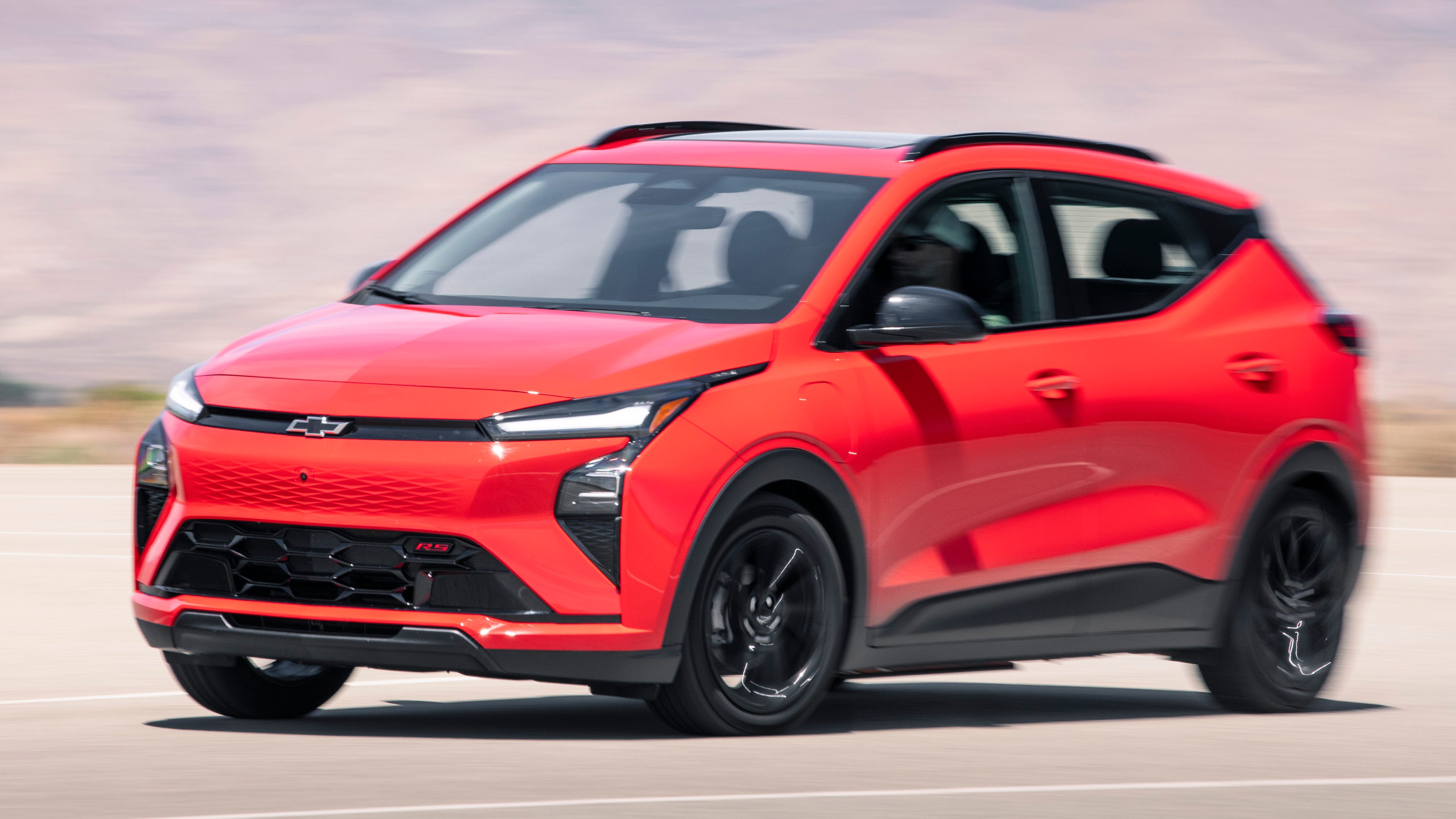
The most affordable electric vehicle in America is heading for extinction before most people even knew it was back. Reuters reports that General Motors will build roughly 35,000 copies of the 2027 Chevrolet Bolt before pulling the plug in spring 2028. That makes its revival one of the shortest and quietest production runs in modern GM history.
That number alone tells a story GM would rather not narrate. The company sold just 4,224 Bolts in the first half of 2026. At that pace, tens of thousands of unsold units will be sitting on dealer lots long after the Fairfax Assembly Plant in Kansas City moves on to other things.
The original Bolt earned MotorTrend’s Car of the Year award in 2017. It was scrappy, affordable, and genuinely fun in a segment that desperately needed all three. GM killed it after 2023, then reversed course and promised a comeback as part of its full-throated EV push. That was a different era.
Between the announcement and the actual launch, the ground shifted beneath the car. EV sales growth cooled, federal tax incentives got yanked, and tariffs landed on imports. GM suddenly needed the Kansas City factory floor for vehicles with better margins, specifically the Chevrolet Equinox being relocated from Mexico and the Buick Envision moving from China. The Bolt, once the poster child for affordable electrification, became the odd one out.
On paper, the car itself is perfectly competent. It starts under $29,000, carries a 65-kWh lithium-iron phosphate battery, delivers 210 horsepower through a single front motor, and returns 262 miles of EPA-rated range. The top trim even includes GM’s Super Cruise, which remains one of the best hands-free driving systems on the market. None of that mattered enough.
A United Auto Workers official confirmed to Reuters that the plant is on pace to finish the roughly 35,000-unit run by early next year. GM declined to comment.
The math is brutal. If sales don’t dramatically accelerate in the second half, GM will be staring at a dealer inventory problem that discounts alone may not solve. Discounting a sub-$29,000 car is a margin exercise nobody at the Renaissance Center wants to do.
What makes the Bolt’s story so telling is how quickly GM’s priorities shifted. Two years ago, the automaker was betting its future on an all-electric lineup. Today, it is reshuffling factory assignments to build more crossovers and SUVs domestically, hedging against tariff exposure and softening EV demand.
The Bolt isn’t a casualty of bad engineering. It’s a casualty of strategic whiplash.
For buyers who do grab one, they’ll own something genuinely rare. A one-model-year car with a limited production run and no direct successor tends to develop a cult following. Whether that translates to future collectibility or just a footnote in GM’s EV timeline depends on who’s telling the story.
Right now, nobody at GM seems eager to tell it at all. The automaker that once championed the Bolt as proof that EVs could be for everyone is quietly walking away from that premise. Fairfax will soon be building Equinoxes and Envisions, the Bolt line goes cold, and roughly 35,000 units will be all that’s left of a second chance that never really got one.


Share this Story