
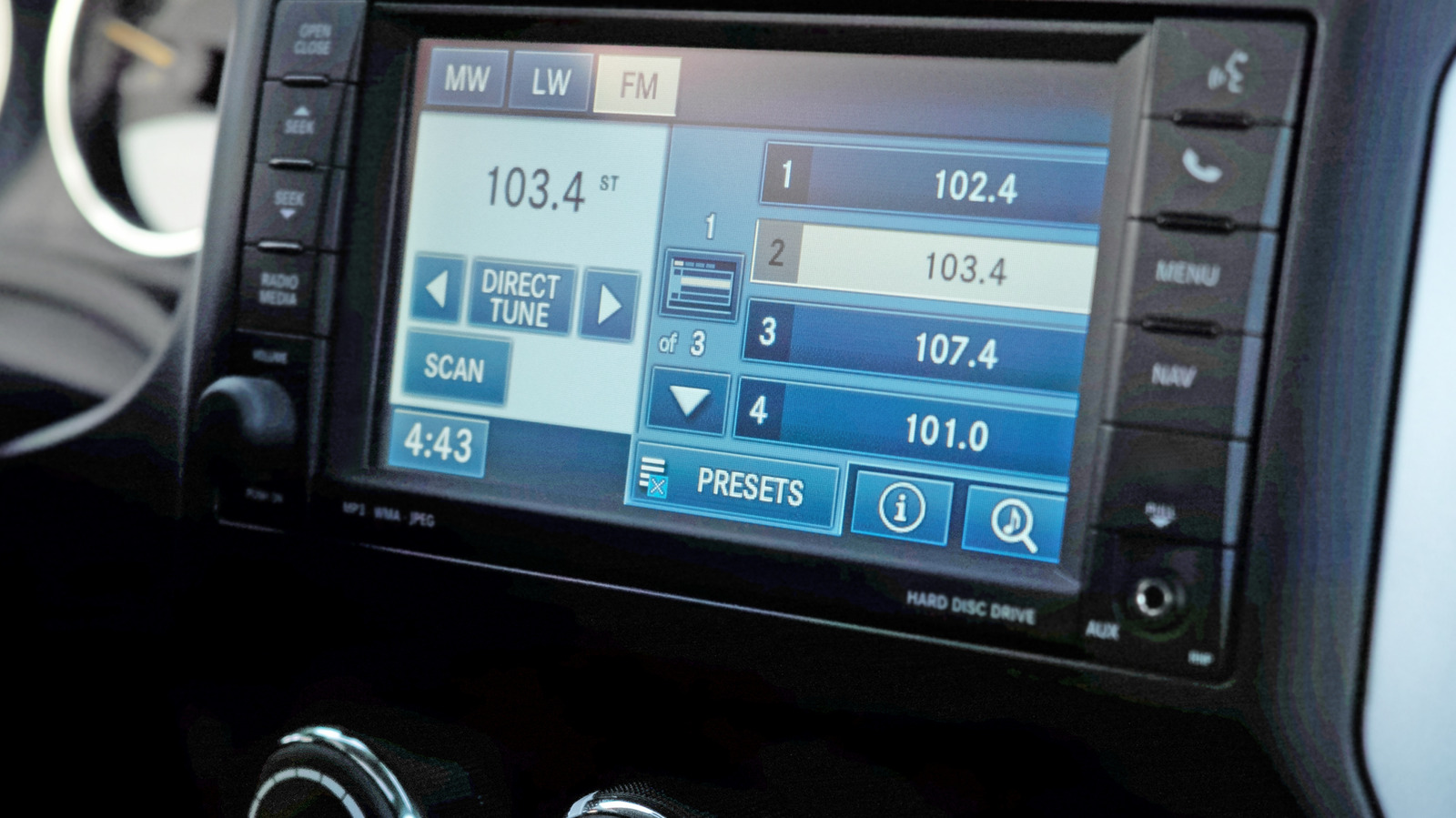


Fifty-five percent. That’s the share of in-car audio time Americans still spend listening to AM/FM radio in 2026, according to Edison Research’s latest Share of Ear data. Not Spotify, not Apple Music, not podcasts — plain old terrestrial radio, the technology your grandfather used to catch ball games, still commands more than half the dashboard.
Streaming audio, for all its cultural cachet and Silicon Valley billions, accounts for just 16% of drive-time listening among Americans 13 and older. That gap isn’t a crack. It’s a canyon.
Even among younger listeners aged 13 to 34, the demographic that supposedly lives and dies by algorithm-curated playlists, AM/FM radio holds 46% of in-car listening time. Streaming doubles its overall share in that cohort, hitting 30%, but it still loses to the old guard by 16 points. The generational shift everyone predicted would bury radio has been slower and less decisive than the streaming industry hoped.
The spoken-word picture looks different. Podcasts have finally overtaken AM/FM radio in that category, claiming 40% of listening time compared to radio’s 39%. A decade ago, radio owned 75% of spoken-word audio, and the reversal has been dramatic, driven by the sheer volume and specificity of podcast content.

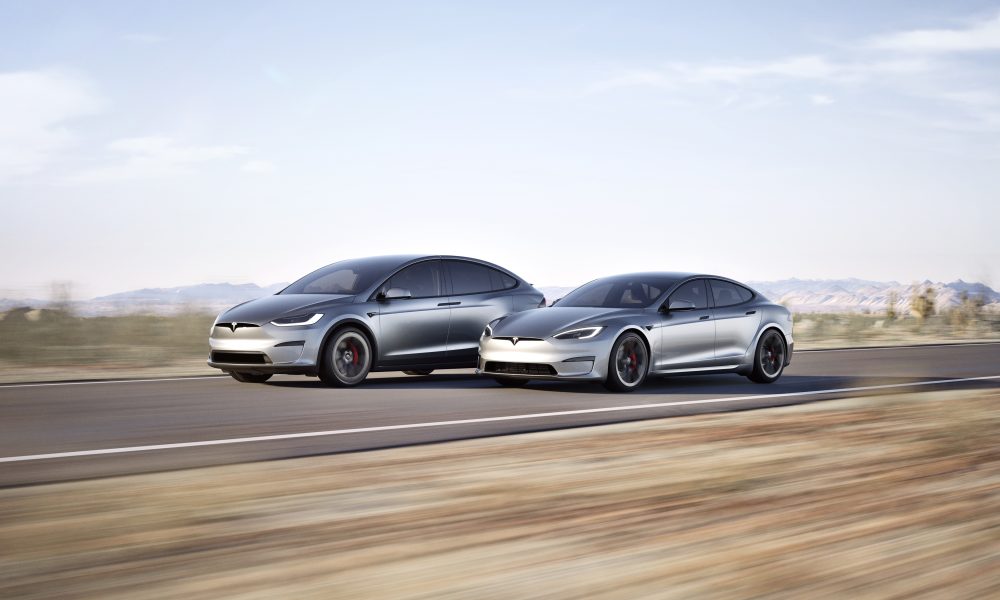
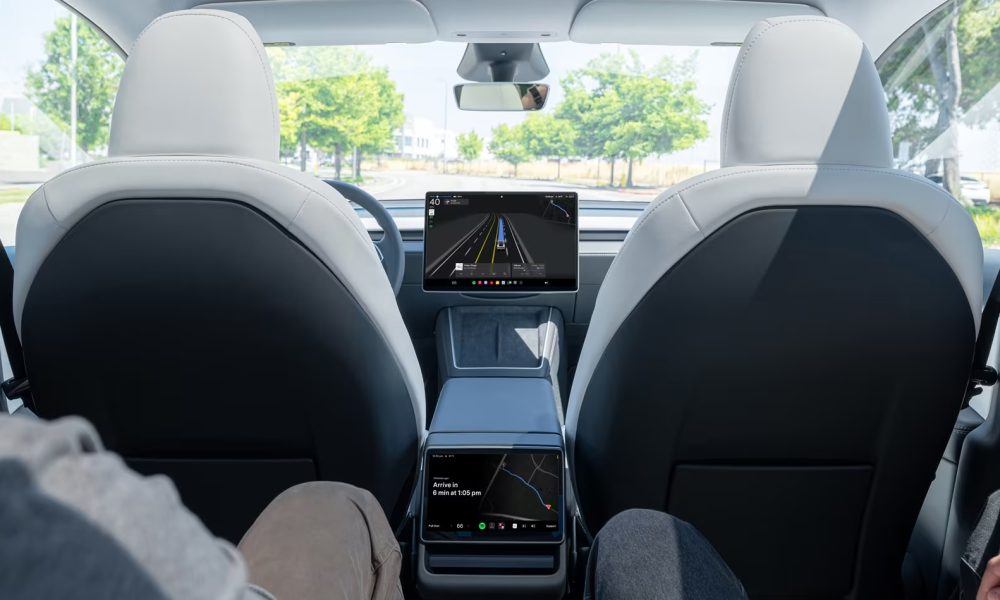
But that narrow podcast lead hasn’t translated into broader dominance across all audio formats. And here’s the friction: while the data confirms radio’s stubborn relevance, several automakers have been actively ripping AM receivers out of new vehicles. Tesla dropped AM radio years ago, Rivian never included it, and Ford tried eliminating it before reversing course after customers erupted.
The justification is technical. Electric vehicle motors generate electromagnetic interference that degrades AM reception, and shielding against it costs real money across a production fleet. But the push to preserve AM radio isn’t just nostalgia or consumer preference — it’s infrastructure.
Seventy-seven radio stations serve as Primary Entry Points for the Emergency Alert System, with direct connections to FEMA and the National Weather Service. The vast majority are AM stations, and their signals cover 90% of the American population. When cell towers collapse and power grids fail during hurricanes, wildfires, and ice storms, AM radio keeps transmitting.
Congress has taken notice. The AM Radio for Every Vehicle Act would mandate AM receivers in every new passenger car sold in the United States. The bill has bipartisan traction precisely because emergency preparedness isn’t a partisan issue, even if the lobbying against it certainly is.
The automaker argument boils down to cost avoidance dressed up as progress. Eliminating a receiver that serves more than half of all in-car listening and doubles as a lifeline during emergencies isn’t forward-thinking. It’s corner-cutting.
Home radio ownership is in freefall, which makes the car radio more important, not less. For millions of Americans in rural areas with spotty or nonexistent cell service, the AM/FM tuner in the dashboard isn’t a relic. It’s the last reliable link to the outside world when everything else goes dark.
The streaming revolution was supposed to render all of this irrelevant. Twelve years of Edison’s tracking data say otherwise. Radio’s audience hasn’t collapsed — it has held ground with a resilience that defies every prediction made about it over the past two decades.
Automakers can keep pulling AM tuners to save a few dollars per vehicle. But they’re swimming against a current that 55% of their own customers clearly prefer, and against a Congress that may soon take the decision out of their hands entirely.
Share this Story