
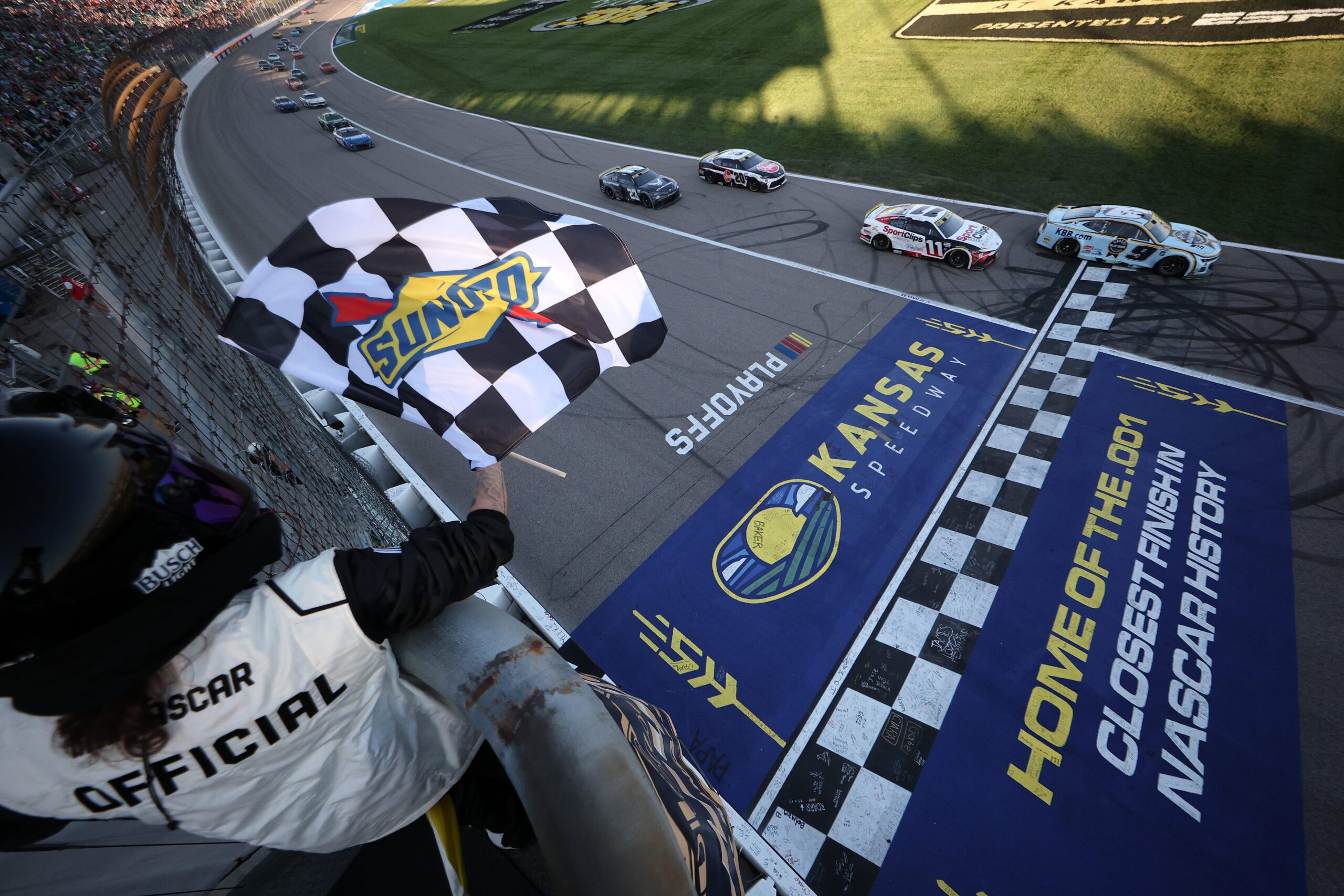


The Kansas House of Representatives didn’t just pass a bill protecting racetracks from noise lawsuits. It passed it 122 to nothing. Three members were absent, and not a single one dissented.
House Bill 2416, the Kansas Motorsports Venue Protection Act, cleared the state Senate 38-2 earlier and now sits on Governor Laura Kelly’s desk. Nobody expects a veto. In a political climate where legislators can barely agree on lunch, a unanimous House vote on anything is worth stopping to notice.
The bill’s logic is brutally simple: if the track was there first, you don’t get to sue it for being a track. It grants existing motorsports facilities immunity from civil nuisance and property-taking lawsuits filed by anyone who bought land or built within five miles of the venue after it was already operating.
This is the pattern that has strangled grassroots racing for decades. A dirt oval or drag strip runs for 30, 40, 50 years without incident. Developers smell cheap land nearby and build subdivisions.
New homeowners move in, hear engines on Saturday nights, and call their lawyers. The track, which predates every single one of those rooftops, ends up fighting for survival in court.
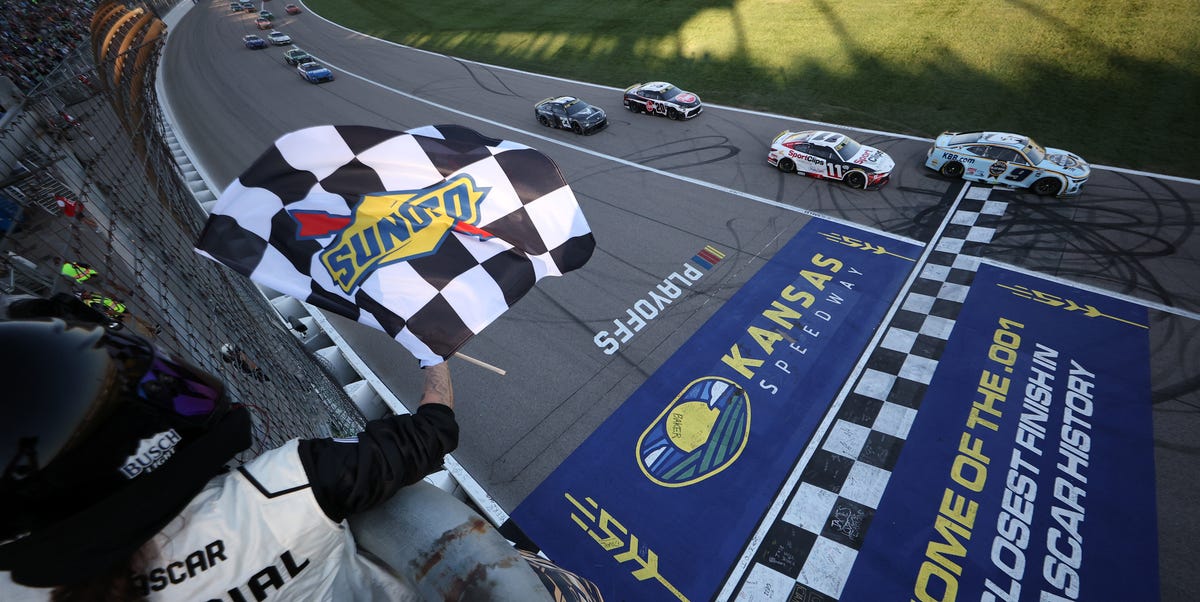
Kansas decided that cycle ends now, and the economics made the argument easy. According to Performance Racing Industry and Hagerty data, motorsports generate more than $743 million in annual economic output across the state. The industry supports nearly 5,700 jobs and delivers $77 million in state and local tax revenue.
Those aren’t hobbyist numbers. That’s a real economic engine, no pun intended.
The bill does have guardrails. Immunity vanishes if a track materially violates state or local law, breaks its permit conditions, or hasn’t hosted a competitive race in the four years before a neighbor acquired their property. Abandoned facilities can’t hide behind the statute, and bad actors don’t get a free pass.
Kansas will become the third state to enact right-to-race legislation, joining Iowa and North Carolina. But the movement is picking up speed. More than ten additional states have active or proposed bills offering similar protections, part of a nationwide push spearheaded by SEMA and PRI.
The map of states with legislation in the pipeline reads like a roll call of racing country: Ohio, Michigan, Georgia, Tennessee, Missouri, Oklahoma, Nebraska, Kentucky, South Carolina, West Virginia, and Wisconsin.
SEMA and PRI have obvious skin in this game. Their members manufacture parts, build cars, and sell equipment that only moves if tracks stay open. But the alignment of interests here is hard to argue with.
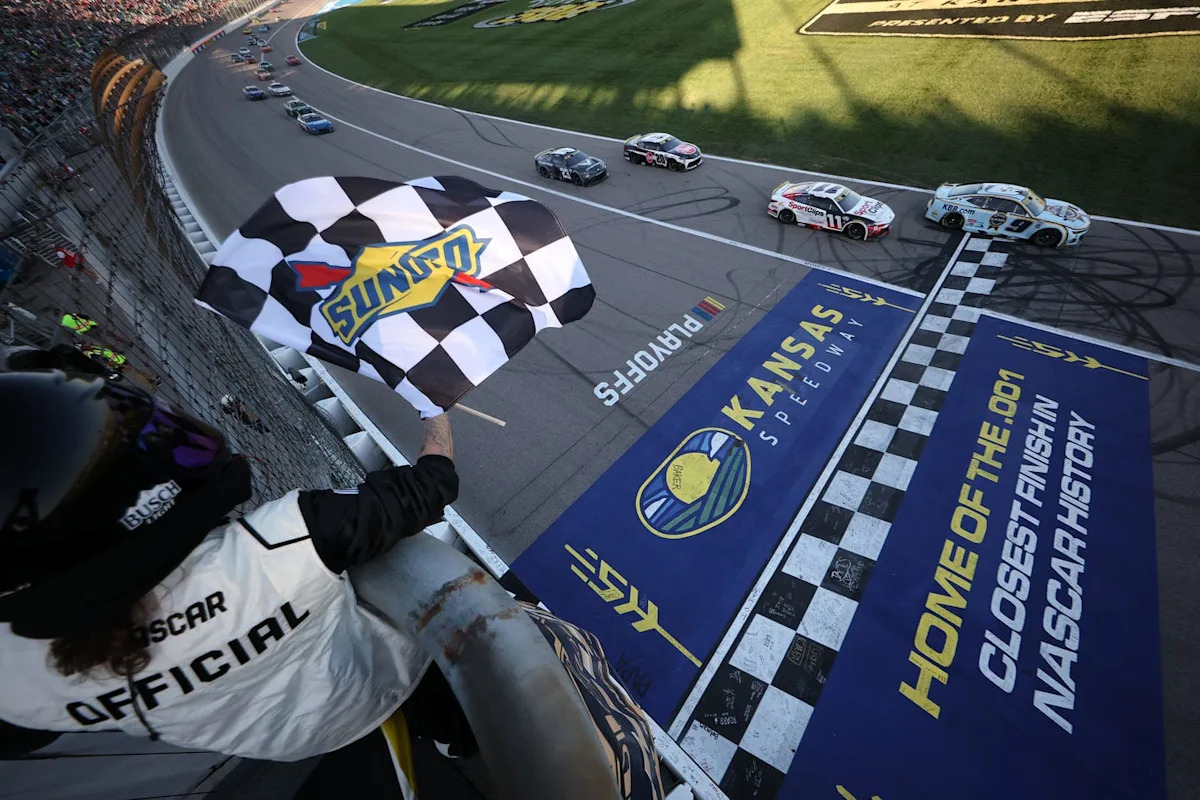
Local tracks anchor local economies. They employ people, draw tourism dollars, and pay taxes. They also keep racing off public roads, which is a public safety argument that writes itself.
The 20 tracks currently operating in Kansas will be the immediate beneficiaries. For them, the bill eliminates an existential legal threat that has shuttered facilities in other states. The track owners didn’t change. The neighborhoods around them did.
What happened in Kansas is a template. A clean, bipartisan, nearly unanimous rejection of the idea that newcomers get to erase what was already there. The question now is whether the dozen-plus states with pending legislation can replicate that momentum, or whether the bills die quiet deaths in committee.
For anyone who has ever sat in aluminum bleachers on a warm Friday night listening to stock cars scream through turn three, the answer matters more than most statehouse business ever will.





Share this Story