
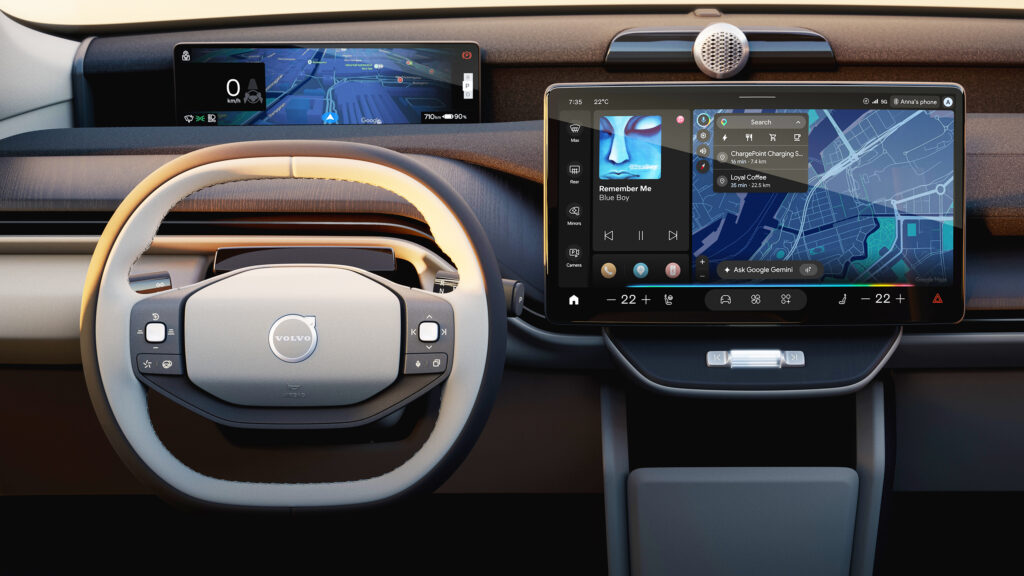


Four million GM vehicles are about to get a brain transplant. Google’s Gemini AI is rolling out via over-the-air update to every Buick, Cadillac, Chevrolet, and GMC built from 2022 onward with Google Built-in, replacing the voice assistant that has been reliably infuriating drivers since the day it shipped.
The timing is not accidental. JD Power’s 2024 data showed infotainment systems cause nearly twice as many problems as any other vehicle component, and voice recognition sits at the top of that dysfunction list. One GMC Sierra EV owner documented their truck’s inability to tune radio stations, its habit of interpreting “No” as “Noe,” and a general pattern of command misinterpretation that turned every drive into a patience test.
GM knows the system is broken. That’s the quiet admission underneath this rollout.
Gemini’s core promise is deceptively simple: you talk like a human, and the car responds like it understood you. Instead of barking precise commands in the syntax a machine demands, you say something like “Find Italian restaurants near my destination with good reviews, then play something upbeat for the drive.” Gemini handles the multi-step reasoning, maintains conversational context, and works with Spotify, Amazon Music, and other installed apps without forcing you to start over between requests.
“They don’t seem to be affected by that,” said Dave Richardson, GM’s Senior VP of Software and Services, referring to accents, natural speech patterns, and the kind of deviations from scripted phrases that used to crash the old system. “They have context about previous conversations that they can bring up. They’re flexible in how you speak to them.”
The practical applications go deeper than restaurant searches. Gemini is expected to understand your specific vehicle, pulling from manufacturer manuals to answer questions that would otherwise require digging through a glovebox booklet nobody has opened since the test drive. Trunk hitting a low garage ceiling? There’s probably a setting, and Gemini should walk you through it.
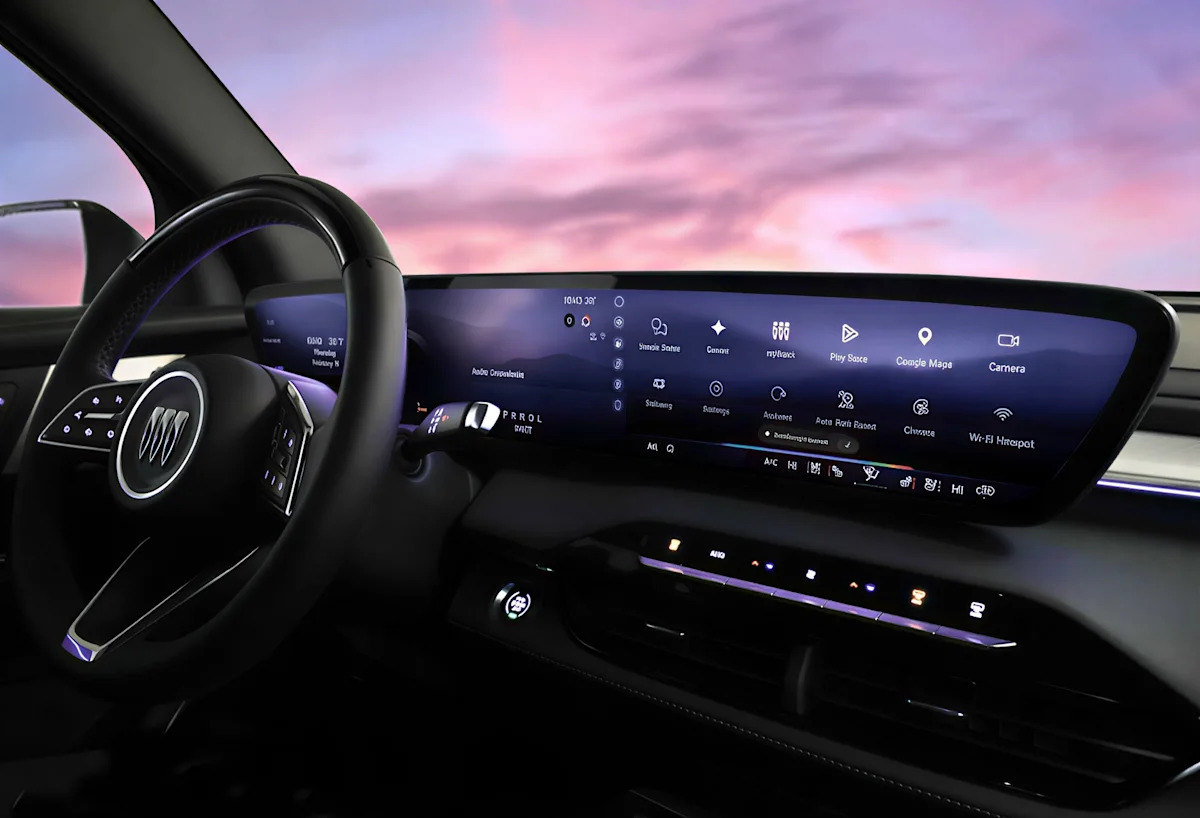
For EV drivers, the integration gets more pointed. Real-time range estimates, nearby charging stations, suggestions for places to kill time while the battery fills — the system treats the daily realities of electric ownership as part of the conversation rather than a separate app you have to hunt for.
Truck owners get trailer-friendly parking suggestions. Everyone gets hands-free messaging with emoji support. You can ask Gemini to summarize unread texts, dictate a reply with your ETA, and fire off a follow-up without restarting the interaction.
The eligibility requirements are minimal. Sign into Google Play Store on the infotainment system, maintain OnStar connectivity, and set US English as the assistant language. The update deploys over several months, starting now, with broader language and regional support expected to follow.
GM has also telegraphed that this is only the opening move. A more sophisticated custom AI assistant is planned for later in 2026, which raises an obvious question: if Gemini is the warm-up act, what exactly is the headliner supposed to do?
The real test won’t happen in a press demonstration. It’ll happen the first time a driver with a thick Southern drawl asks for directions to a street with a French name while their kids are screaming in the backseat. That’s the environment where every previous voice assistant has collapsed.
GM is betting Gemini won’t. Four million drivers are about to find out whether that bet pays off, and there’s no hiding behind a press release when the update is already pushing to their dashboards.



Share this Story