



Carlos Ghosn, the fugitive former Nissan chairman who fled Japan in a musical equipment box in 2019, told Reuters this week that he is the only person alive who can rescue the automaker. The man who still faces financial misconduct charges he’s never answered in court wants his old job back.
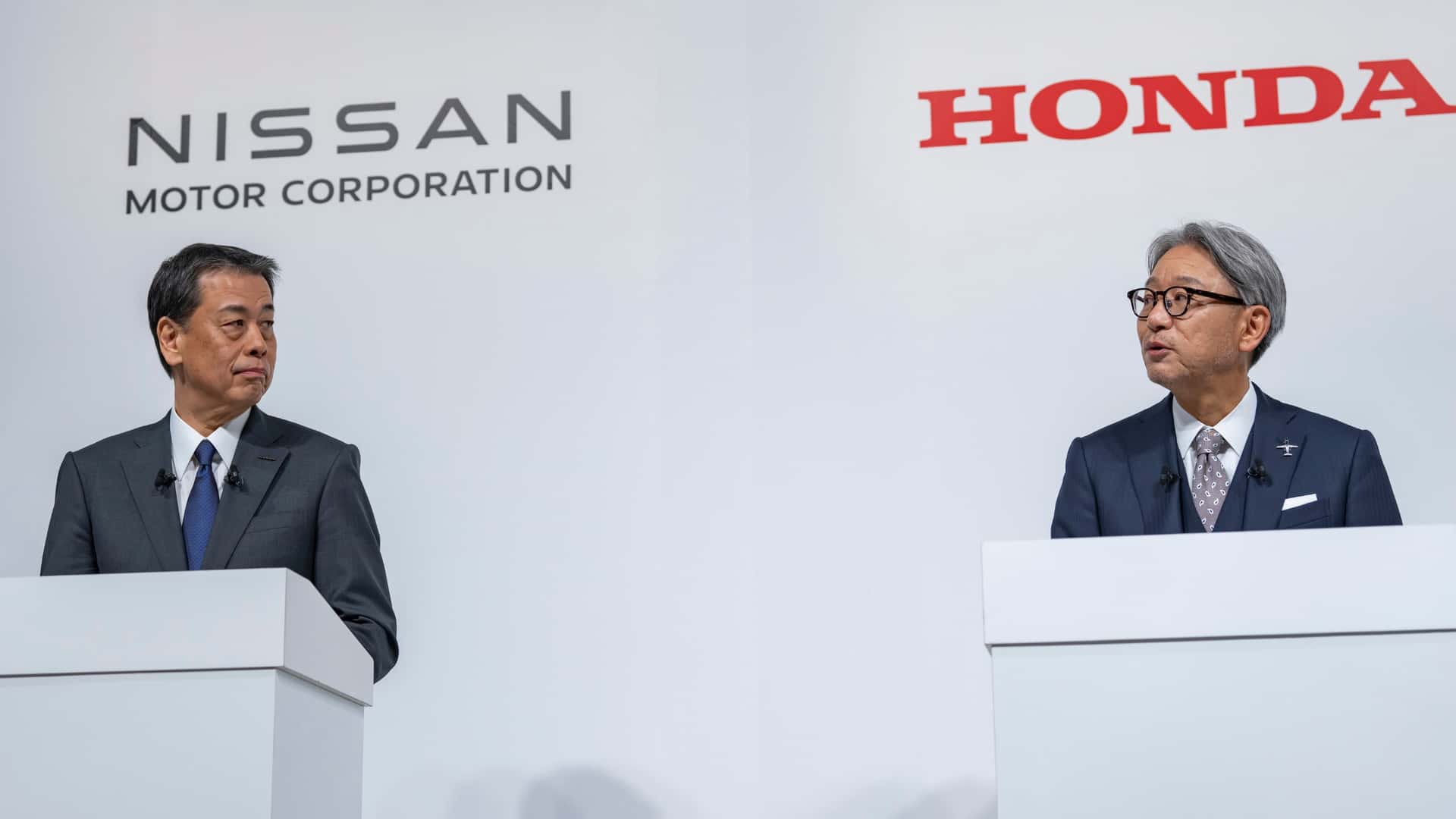
His pitch came days after Nissan’s annual shareholder meeting turned ugly. At least one investor formally proposed bringing Ghosn back. CEO Ivan Espinosa faced open hostility from the floor.
The proposal was crushed — shareholders overwhelmingly backed the current board — but the fact it surfaced at all tells you everything about the depth of frustration inside Nissan’s investor base.
“It’s a reaction with plenty of common sense,” Ghosn told Reuters from his comfortable perch in Beirut. “You can feel the anger and the frustration of the shareholders.”
He wasn’t subtle about what role he’d accept. Advisory work? Not enough. The only job to save the company is a CEO job,” he said. “If there is one person or one profile today who can make it happen, it’s mine.”
Three CEOs have cycled through Nissan since Ghosn’s arrest in November 2018. None has managed a convincing turnaround. The company has hemorrhaged market share, stumbled on electrification, and watched its alliance with Renault erode into something barely recognizable.
Ghosn reads that record as vindication. The shareholders who screamed at Espinosa on Tuesday seem to agree, at least emotionally.
But the facts of Ghosn’s situation haven’t changed. He’s wanted by Japanese authorities on charges of underreporting compensation and misusing corporate funds. Lebanon has no extradition treaty with Japan, which is the only reason he’s giving interviews instead of sitting in a Tokyo courtroom.
Any return to a formal role at Nissan would require Japan to drop its case or Nissan to install a CEO it can’t send to half its key markets without risking arrest.
Ghosn has always been a masterful narrator of his own story. He turned his escape into a Netflix documentary. He reframed criminal charges as a boardroom coup orchestrated by jealous executives and a compliant Japanese prosecutor. And now he’s reframing shareholder frustration as a mandate for his return.
The uncomfortable truth is that Ghosn’s track record at Nissan before his arrest was genuinely remarkable. He took a company bleeding cash in the late 1990s and turned it into one of the most profitable automakers on earth. He slashed costs, killed sacred cows, and built the Renault-Nissan alliance into a global powerhouse.
Nobody disputes the résumé. What they dispute is whether the man who allegedly funneled company money through Middle Eastern dealerships and used corporate jets for personal vacations is the right steward of shareholder value.
The irony of pitching yourself as a savior while ducking the legal system that wants to examine exactly how you handled the last round of stewardship is apparently lost on Ghosn.
Nissan’s problems are real and worsening. Espinosa inherited a mess and hasn’t yet demonstrated he can clean it up. The company needs radical surgery on its product lineup, its cost structure, and its strategic direction.
Ghosn is right that half-measures won’t work. But the solution to corporate mismanagement probably isn’t a fugitive CEO running operations from a country chosen specifically because it won’t hand him over to prosecutors.
Nissan’s shareholders are desperate. Desperation makes people nostalgic. And nostalgia is a terrible basis for a turnaround plan.
Ghosn did it once. He wants everyone to remember that and forget everything that came after. The shareholders at Tuesday’s meeting are doing exactly what he hopes — separating the legend from the ledger.



Share this Story