About This Nissan D21 Base 1986 Build
We love featuring real builds from real owners. This Nissan D21 Base 1986 sits on a set of 15×10 / 15×10-inch American Racing Baja wheels, and the result speaks for itself.
The owner chose American Racing for a reason. This brand delivers serious quality and a design language that turns heads at every car meet. We see hundreds of Nissan D21 Base builds come through WheelFront every month, but this one stands out. The combination of the exterior with the American Racing Baja creates a look that balances aggression with elegance.

Fitment Breakdown: American Racing Baja on the Nissan D21 Base 1986
I walked around this D21 twice because the stance is just brutal. Running a 15x10 setup on a platform like this usually invites disaster, but these American Racing Bajas sit perfectly. We are talking about a massive -43 offset that pushes those wheels way out past the factory body lines. It gives the truck a wide, aggressive footprint that makes the stock frame look like a toy.
The 15x10 width creates a deep barrel lip that defines the entire aesthetic. Because of that extreme negative offset, the spokes clear the front calipers without needing any risky spacer shims. You get a clean mechanical look that feels purposeful rather than cobbled together. I love how the hub bore aligns with the Nissan factory specs to keep things vibration-free on the highway.
The lowering springs on this build tighten up the fender gap significantly. This drop brings the fenders down to meet the tires, which creates a flush profile. Without those springs, this specific wheel setup would look like a roller skate. You need the lower center of gravity to make these wide wheels feel proportional to the truck's silhouette.
You have to watch your clearances during full-lock turns, though. Those 15x10s are wide enough to grab the inner plastic liners if you aren't careful. We noticed the inner fender lips are rolled flat to prevent any tire slicing. It is a necessary modification when you push the wheels out this far.

The spoke design of the Baja is iconic for a reason. Its utilitarian shape mimics the rugged history of the D21 while modernizing the overall profile. The heavy casting of the wheel adds a bit of unsprung weight, but the visual trade-off is worth every pound. It makes the truck look like it belongs on a vintage desert course.
The rear fitment is equally aggressive and fills the wheel wells nicely. We checked the clearance between the inner wheel barrel and the leaf springs, and it is tight but manageable. There is no rubbing under normal load, even with the lowered suspension geometry. This is precision fitment at its absolute limit.
What We Recommend for Nissan D21 Base 1986 Owners
If you want to replicate this look, stick to the 15-inch diameter. Going up to 16s or 17s often ruins the vintage aesthetic that makes the D21 special. You want that meaty sidewall look that only a 15-inch wheel can provide. It keeps the truck feeling period-correct and undeniably cool.
For offsets, stay as close to -35 to -45 as possible if you want that poke. Anything higher than that will tuck the wheels too deep into the body, which looks weak on a squared-off Nissan. We always suggest a square setup for these trucks to keep the rotation easy and the handling predictable. Staggered widths usually just complicate the suspension tuning without adding real performance benefits.

You absolutely must roll your fenders if you go this wide. There is no way around it unless you want to shred your sidewalls on the first big bump. I recommend a professional rolling tool rather than a baseball bat to keep the paint from cracking. It is a small investment that saves you hundreds in tire costs later.
Tire selection matters more than most people admit. Avoid extreme stretch; it looks dated and ruins the ride quality on a truck built for daily abuse. We recommend a tire with a slight bulge to protect the rim lip from curb rash. It balances the aggressive offset with a more refined, meaty road presence.
Don't fall for cheap, heavy steelies if you can help it. The American Racing Baja offers a perfect middle ground of weight and structural rigidity for the street. Always use high-quality hub-centric rings to ensure the weight sits on the hub, not just the studs. It makes a world of difference in your steering feedback.
Style and Build Analysis
The Black finish on these Bajas provides a sharp contrast against the body paint. It creates a monochromatic, tough look that reminds me of early nineties mini-truck culture. The matte-to-satin transition in the light highlights the machined details of the spoke holes perfectly. It is a subtle touch that elevates the entire build beyond a simple wheel swap.

The proportions on this truck work because the stance is deliberate. By dropping the suspension, the owner has brought the body down to wrap around the wheels. It eliminates that awkward "lifted" look that plagues so many stock D21s. The wheels are no longer an accessory; they are the centerpiece of the design.
I find that the Bajas make the truck look longer and lower than it actually is. The deep dish design draws the eye inward, making the wheels appear larger than their 15-inch diameter suggests. It is a classic visual trick that works every single time. It feels like a custom truck from a magazine feature, not a random street build.
When you park this thing next to other compact trucks, the presence is night and day. Most builds are too conservative, hiding the wheels inside the fenders like they are ashamed of them. This D21 puts everything on display. It claims its space on the road with total confidence and zero apologies.
Comparing this to other builds we have featured, the restraint is what impresses me most. There are no tacky stickers, no massive wings, just clean lines and aggressive wheels. The truck respects its roots while embracing a modern, lowered aesthetic. It is a masterclass in keeping things simple but doing them exactly right.
Why We Love This Build
Seeing this D21 in the sunlight is a highlight of my year. The way the Black Bajas fill the arches makes the truck look planted, mean, and ready for action. The lowering springs give it that perfect street-truck rake that every enthusiast chases. You can tell the owner actually drives it, which makes the clean condition even more impressive.
We see thousands of wheels, but these Bajas just hit differently on this specific platform. The balance of the deep lip and the aggressive offset creates an aura of pure nostalgia. It reminds me why we fell in love with these trucks in the first place. This is exactly how a D21 should look when someone builds it with heart.
This truck is a testament to the fact that you do not need a massive budget to make a statement. You just need good taste and the courage to push the fitment to the edge. It stops us in our tracks because it is honest, aggressive, and undeniably cool. Go get yourself a set and transform your ride today.

Full Specs Breakdown
Here is exactly what this owner is running. We break down every detail so you can replicate this build or use it as a starting point for your own setup.
- Car Make & Model: Nissan D21 Base 1986
- Vehicle Color:
- Wheel Brand & Model: American Racing Baja
- Wheel Size: 15×10 / 15×10
- Offset: -43 / -43
- Wheel Finish: Black
- Tires: Atrezzo Sailun 195/50 22.7″x7.7″ / 195/50 22.7″x7.7″
- Suspension: Lowering Springs
Before You Buy: Fitment Checklist
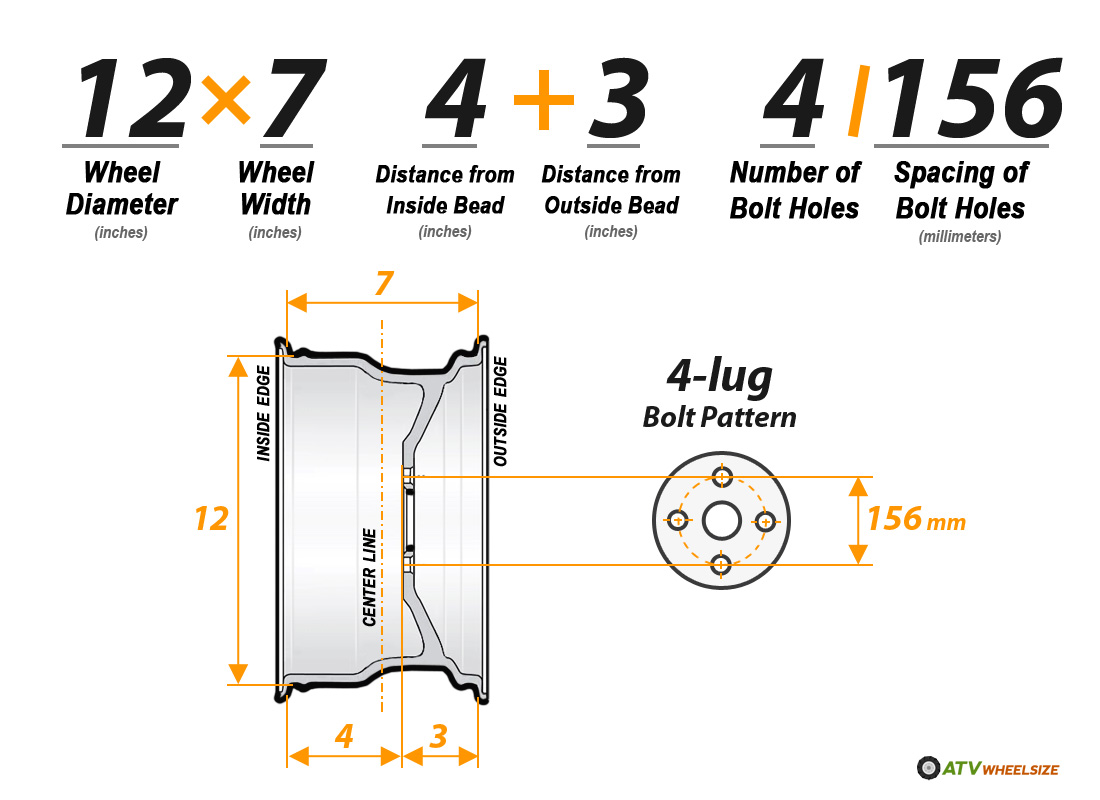
We talk to Nissan D21 Base owners every day. These are the questions we hear most before they pull the trigger on new wheels.
Will 15×10 / 15×10-inch wheels fit my Nissan D21 Base? Yes, but fitment depends on width, offset, and tire size working together. A wrong offset means rubbing. A wrong tire size means poor handling. Always verify all three.
Do I need to modify my fenders? That depends on your offset and suspension. A conservative offset with stock ride height usually fits without modification. Go aggressive and you may need to roll or pull your fenders.
Can I daily-drive this setup? Absolutely. Thousands of Nissan D21 Base owners run 15×10 / 15×10-inch wheels every day. The key is choosing the right tire with enough sidewall to absorb road imperfections.