About This Mitsubishi Eclipse GSX 1998 Build
We love featuring real builds from real owners. This Mitsubishi Eclipse GSX 1998 sits on a set of 17×9 / 17×9-inch Enkei RPF1 wheels, and the result speaks for itself.
The owner chose Enkei for a reason. This brand delivers serious quality and a design language that turns heads at every car meet. We see hundreds of Mitsubishi Eclipse GSX builds come through WheelFront every month, but this one stands out. The combination of the exterior with the Enkei RPF1 creates a look that balances aggression with elegance.

Fitment Breakdown: Enkei RPF1 on the Mitsubishi Eclipse GSX 1998
I walked up to this GSX and immediately noticed the 17x9 setup on all four corners. These Enkei RPF1s transform the stance of this 2G chassis instantly. The 40 offset brings the wheels flush enough to look aggressive without killing your wheel bearings.
Clearing the big stock calipers on a GSX can be a headache, but these RPF1s handle it perfectly. The spoke design arcs outward just enough to dodge the factory hardware. You do not need any spacers to get these to spin freely.
The hub bore fits the Mitsubishi spindle with almost zero play. I always tell guys to run hub-centric rings for a vibration-free drive. These wheels seat tight against the hub face once you torque them down.
The barrel depth on the 17x9 provides that classic race car look. You get a solid amount of dish compared to the skinnier 17x8 versions. It gives the Eclipse a wider, more purposeful footprint on the asphalt.
Since this owner runs lowering springs, the fender gap is almost non-existent. The tires sit right at the edge of the sheet metal. It looks tight, but you have to watch for high-speed dips or heavy cornering.

Watch your inner fender liners closely on the front end. At full steering lock, you might catch the plastic trim under heavy compression. A quick trim or a heat gun usually solves that issue for good.
The rear fitment is spot on for this platform. You get that square look that lets you rotate tires to save cash. It’s the ultimate setup for a street car that sees the occasional track weekend.
What We Recommend for Mitsubishi Eclipse GSX 1998 Owners
If you want to replicate this build, stick to the 17-inch diameter. Going up to 18 inches often makes the car look too busy and kills the ride quality. Keep it simple with a 9-inch width for maximum grip.
The 40 offset is the golden ticket for the 2G Eclipse. Anything lower than a 35 will poke too much and force you to roll your fenders aggressively. We prefer the clean, tucked look that a 40 provides.
Always run a square setup on an AWD car like the GSX. You need identical tire diameters at all four corners to protect your center differential. Never experiment with staggered widths on this drivetrain.

For tires, look for a 245/40/17 to wrap around these RPF1s. It provides enough sidewall to protect the rim while filling the wheel well nicely. Avoid excessive stretch unless you plan on static dropping the car.
Do not skip a professional alignment after you mount these. You want to dial in just enough negative camber to tuck the tops of the tires under the fenders. This keeps the handling sharp and prevents premature tire wear.
Style and Build Analysis
The gold finish against the paint on this GSX looks legendary. It channels that classic 90s rally aesthetic that defined the Mitsubishi brand. Gold wheels on a dark body color always win in my book.
Enkei RPF1s carry a timeless design that never goes out of style. The thin, overlapping spokes create a sense of speed even when the car sits perfectly still. It makes the Eclipse look light and agile.
Proportions matter more than anything else on a 2G. This setup nails the balance between a functional race car and a clean street cruiser. The car fills the space in the arches without looking overdone.

I have seen hundreds of these cars, but this one hits differently. The gold contrast makes the wheels pop under the street lights. Most people choose silver or black, but the gold takes real confidence to pull off.
The stance gives the car a grounded, hunkered-down appearance. It looks like it wants to hunt down apexes on a mountain road. This build proves that high-quality, lightweight parts pay off visually.
Why We Love This Build
Seeing this GSX roll down the strip is a highlight of my year. The gold RPF1s catch the morning sun and make the whole car glow with raw intensity. It sits low on those springs, hugging the pavement like it belongs there.
We love this build because it stays true to the spirit of the Eclipse. It is fast, functional, and looks like it could win a rally stage in the middle of the night. Every detail feels deliberate and carefully chosen by the owner.
This car reminds me why we fell in love with Japanese imports in the first place. It is a perfect execution of clean, purposeful modification that makes you want to grab your keys. Go get these wheels and finish your project.

Full Specs Breakdown
Here is exactly what this owner is running. We break down every detail so you can replicate this build or use it as a starting point for your own setup.
- Car Make & Model: Mitsubishi Eclipse GSX 1998
- Vehicle Color:
- Wheel Brand & Model: Enkei RPF1
- Wheel Size: 17×9 / 17×9
- Offset: 40 / 40
- Wheel Finish: Gold
- Tires: Federal SS595 245/40 24.7″x9.6″ / 245/40 24.7″x9.6″
- Suspension: Lowering Springs
Before You Buy: Fitment Checklist
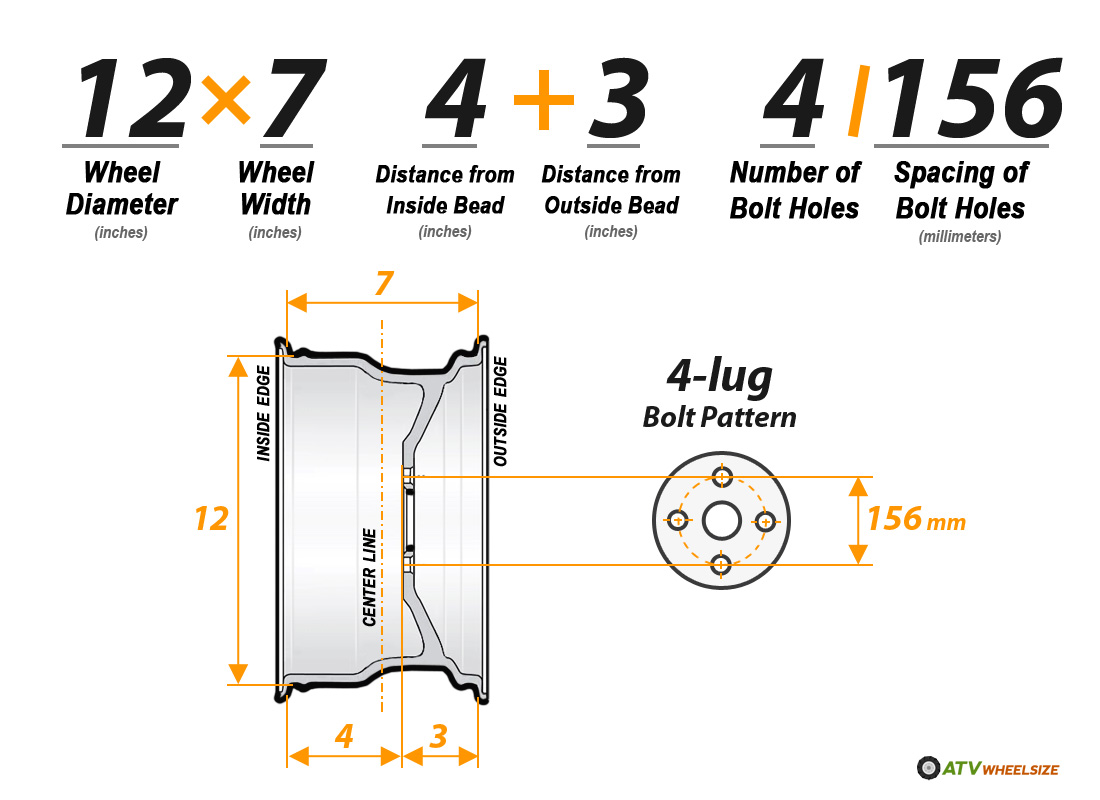
We talk to Mitsubishi Eclipse GSX owners every day. These are the questions we hear most before they pull the trigger on new wheels.
Will 17×9 / 17×9-inch wheels fit my Mitsubishi Eclipse GSX? Yes, but fitment depends on width, offset, and tire size working together. A wrong offset means rubbing. A wrong tire size means poor handling. Always verify all three.
Do I need to modify my fenders? That depends on your offset and suspension. A conservative offset with stock ride height usually fits without modification. Go aggressive and you may need to roll or pull your fenders.
Can I daily-drive this setup? Absolutely. Thousands of Mitsubishi Eclipse GSX owners run 17×9 / 17×9-inch wheels every day. The key is choosing the right tire with enough sidewall to absorb road imperfections.