About This Mazda Miata Base 1990 Build
We love featuring real builds from real owners. This Mazda Miata Base 1990 sits on a set of 16×9 / 16×9-inch Felgenwerks RROC wheels, and the result speaks for itself.
The owner chose Felgenwerks for a reason. This brand delivers serious quality and a design language that turns heads at every car meet. We see hundreds of Mazda Miata Base builds come through WheelFront every month, but this one stands out. The combination of the exterior with the Felgenwerks RROC creates a look that balances aggression with elegance.

Fitment Breakdown: Felgenwerks RROC on the Mazda Miata Base 1990
I walked up to this NA Miata at the meet and immediately noticed the stance. Running 16x9s on an NA chassis is a bold move that demands respect. With a 15 offset all around, these wheels push right to the edge of the body lines.
The Felgenwerks RROC design fills the wheel arches with purpose. You get a serious amount of dish for a 16-inch wheel. That extra width transforms the stock, skinny look into something muscular and aggressive.
Caliper clearance on a base 1990 model is surprisingly decent with these wheels. You won't struggle with the stock brakes, but don't expect to squeeze in a big brake kit without some help. The hub bore sits flush, keeping the setup vibration-free at highway speeds.
Those 16x9 dimensions are wide for such a light car. You have to run coilovers to dial in the ride height and pull the wheels into the fenders. We noticed minimal fender gap, which makes the car look glued to the pavement.
Watch out for the inner fender liners and the fender tabs. With a 15 offset, you will rub if you don't roll those fenders properly. It’s a tight fit, but the result looks absolutely killer.

The barrel lip depth creates a classic throwback vibe that suits the Miata perfectly. It adds depth to the profile of the car. Most people think 16s are too big for an NA, but these RROCs prove them dead wrong.
The suspension geometry plays a huge part in making this work. Since the owner dialed in the coilovers, the wheels sit just right. Everything looks intentional, not like a backyard project that went off the rails.
What We Recommend for Mazda Miata Base 1990 Owners
If you want to run 16x9s, you need to commit to the work. Don't think you can just bolt them on and go. You need a fender roller and a heat gun to avoid cracking your paint.
We usually suggest a 15-inch wheel for the NA platform, but this setup makes a strong case for 16s. If you go this big, stick to a square setup like this one. It keeps the handling predictable and makes tire rotations much easier.
Offset is everything on a Miata. A 15 offset is aggressive, so prepare to stretch your tires a bit. You need a tire with a rounded sidewall to clear the metal when the suspension compresses.

Avoid the temptation to use thick spacers on top of an aggressive offset. You will push the wheels too far out and destroy your fender arches. Keep the fitment clean and tucked just inside the flare.
Many owners make the mistake of buying wheels that are too narrow. If you go with a 16-inch wheel, make sure it has enough width to justify the diameter. Otherwise, the car looks like a roller skate.
Style and Build Analysis
The silver finish on these Felgenwerks RROCs looks timeless against the car's paint. Silver doesn't scream for attention, but it highlights the details of the wheel design. It keeps the build looking classy rather than loud.
The RROC spoke pattern pays homage to classic motorsports design. It gives the Miata a race-ready appearance that feels authentic. The wheels look like they belong on a track, not just parked in a lot.
Proportions are the secret sauce here. Because the wheels are wide, they change the entire silhouette of the Miata. The car looks wider, lower, and much more planted than it did on stock 14-inch daisies.

I have seen hundreds of Miatas, but this one stands out. Most people go for the dark, murdered-out look, but the silver pops under the sun. It highlights the barrel depth and the intricate spoke work perfectly.
This car holds its own against builds with double the budget. It proves that you don't need wild body kits to make a statement. Good wheels, the right stance, and a clean finish go a long way.
Why We Love This Build
Seeing this Miata roll into the lot made my day. The silver RROCs catch the afternoon light, and the way they fill the arches is pure automotive art. It captures that classic sports car spirit while injecting a healthy dose of modern aggressive style.
We love this build because it feels honest. It’s not overdone, yet it grabs your attention the moment you walk by. The fitment is tight, the stance is dialed, and the silver finish keeps it sophisticated and sharp.
If you want a car that turns heads without being obnoxious, this is the blueprint. It proves that simple mods done right create the best results. Go out and find your set, then get to work.
This build is absolute perfection.

Full Specs Breakdown
Here is exactly what this owner is running. We break down every detail so you can replicate this build or use it as a starting point for your own setup.
- Car Make & Model: Mazda Miata Base 1990
- Vehicle Color:
- Wheel Brand & Model: Felgenwerks RROC
- Wheel Size: 16×9 / 16×9
- Offset: 15 / 15
- Wheel Finish: Silver
- Tires: Federal Couragia FX 195/45 22.9″x7.7″ / 195/45 22.9″x7.7″
- Suspension: Coilovers
Before You Buy: Fitment Checklist
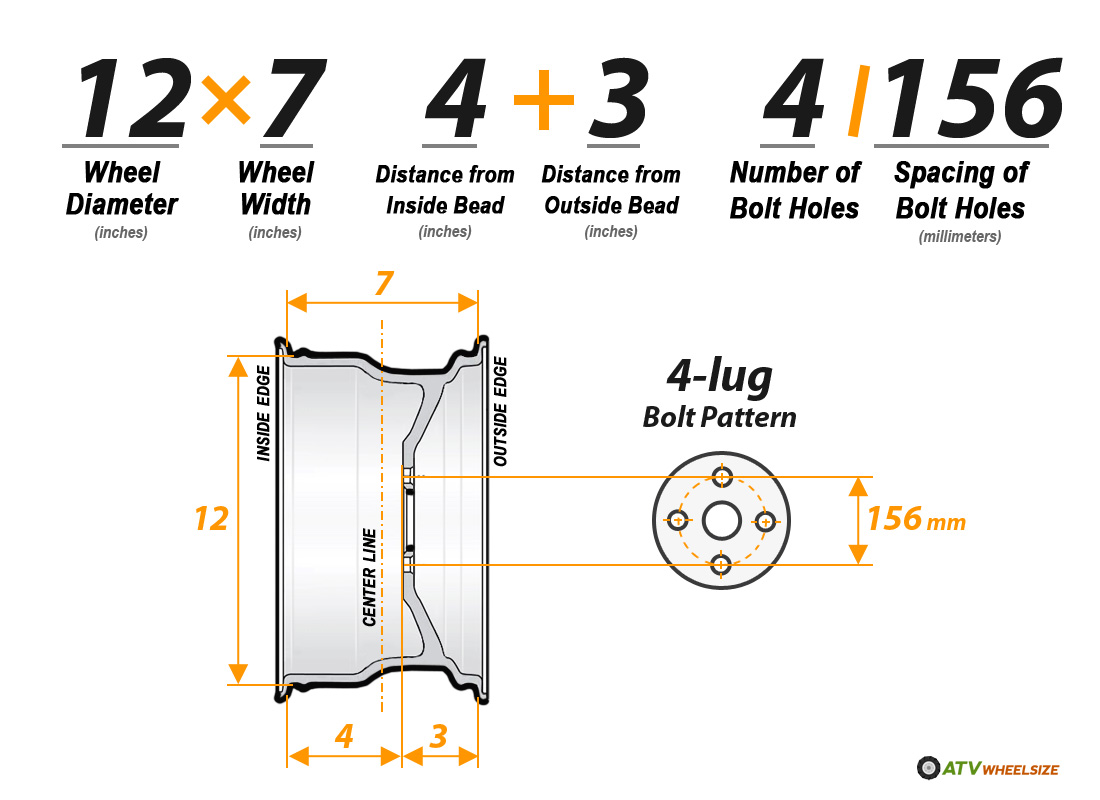
We talk to Mazda Miata Base owners every day. These are the questions we hear most before they pull the trigger on new wheels.
Will 16×9 / 16×9-inch wheels fit my Mazda Miata Base? Yes, but fitment depends on width, offset, and tire size working together. A wrong offset means rubbing. A wrong tire size means poor handling. Always verify all three.
Do I need to modify my fenders? That depends on your offset and suspension. A conservative offset with stock ride height usually fits without modification. Go aggressive and you may need to roll or pull your fenders.
Can I daily-drive this setup? Absolutely. Thousands of Mazda Miata Base owners run 16×9 / 16×9-inch wheels every day. The key is choosing the right tire with enough sidewall to absorb road imperfections.