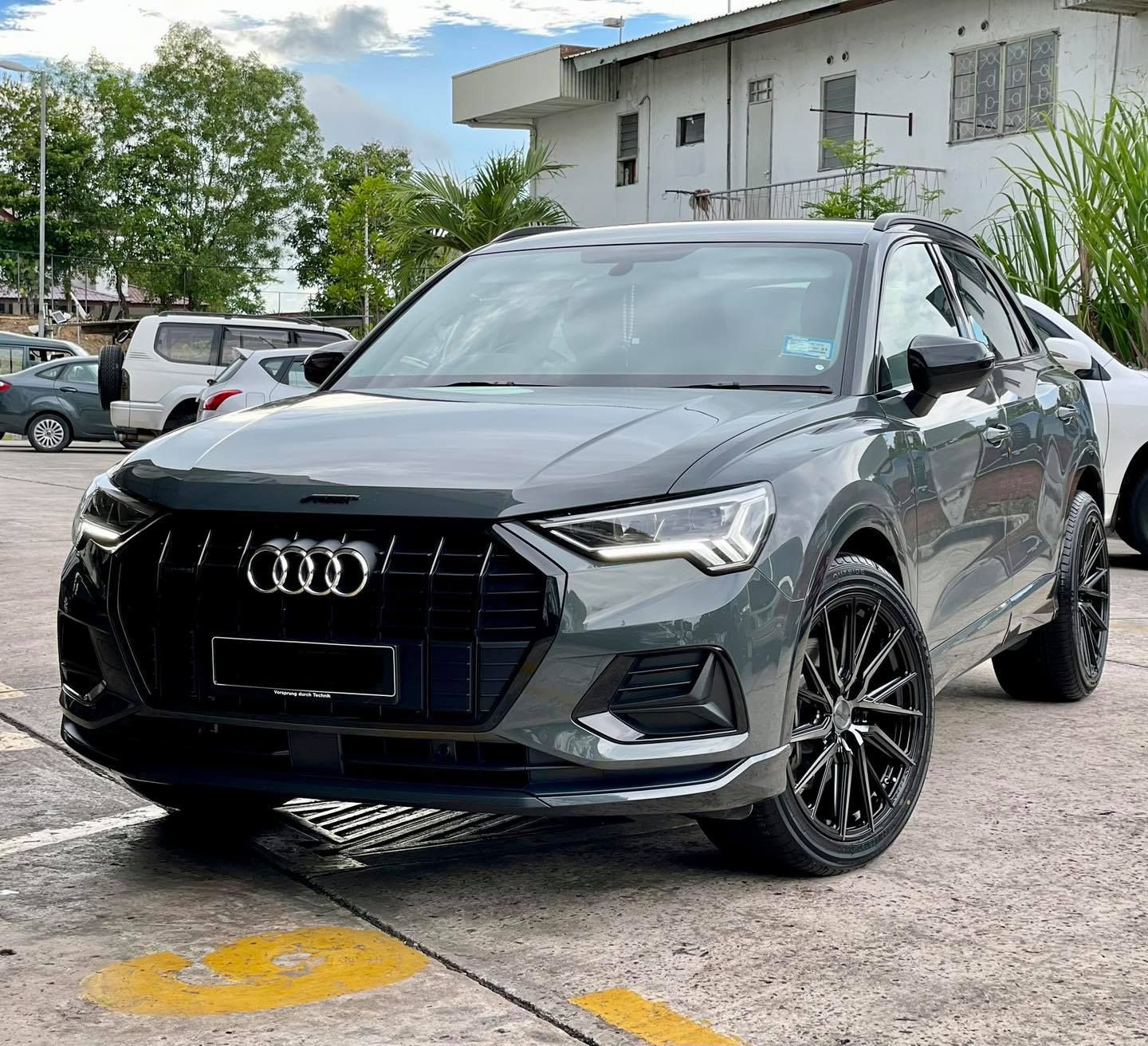
About This Lexus IS300 Base 2001 Build
We love featuring real builds from real owners. This Lexus IS300 Base 2001 sits on a set of 18×8.5 / 18×9.5-inch Konig Dekagram wheels, and the result speaks for itself.
The owner chose Konig for a reason. This brand delivers serious quality and a design language that turns heads at every car meet. We see hundreds of Lexus IS300 Base builds come through WheelFront every month, but this one stands out. The combination of the exterior with the Konig Dekagram creates a look that balances aggression with elegance.

Fitment Breakdown: Konig Dekagram on the Lexus IS300 Base 2001
I walked around this IS300 for an hour at the last meet. The 18x8.5 front and 18x9.5 rear setup is exactly how you dial in the first-gen Lexus chassis. The 35 offset sits right at the edge of the fender without looking like a circus wagon.
The Konig Dekagrams clear the stock IS300 calipers with room to spare. I checked the spoke clearance myself and you won't need any spacers here. It is a bolt-on affair that leaves the hub bore perfectly centered.
We see a lot of guys struggle with the rear quarter panel on this car. The 9.5-inch width at a 35 offset will kiss the liner if you go too low. You definitely need to roll those rear fenders to stop the rubbing during hard cornering.
The flow-formed construction keeps these wheels light and strong. I noticed the barrel depth on the rear set gives the car a much more aggressive profile than the front. It creates a subtle stagger that defines the character of the sedan.
You have to account for the suspension geometry when running this width. The coilovers allow you to dial in the negative camber to tuck the top of the tire just right. Without that drop, the 18-inch wheels would look like a 4x4 setup.
Watch out for the inner fender plastic clips in the front. Even with coilovers, a thick tire can chew through that hardware on a sharp turn. Keep your alignment specs tight to avoid any unwanted headaches on the highway.

What We Recommend for Lexus IS300 Base 2001 Owners
Most guys ask me if they should run a square setup instead. I usually tell them to stick with the staggered look if they want to keep the OEM feel. The IS300 loves a wider rear patch for putting down power.
Don't go wider than a 255 in the rear unless you want to pull the metal. A 245/35 front and 255/35 rear tire combination is the sweet spot. It fills the arch perfectly and keeps the sidewall looking clean.
If you want more aggressive fitment, you can push the offset to a 30, but prepare to modify the body. I hate seeing guys hack up their fenders because they bought the wrong wheels. Stick to the 35 offset if you want a clean, functional build.
Always verify your coilovers have enough spring rate to prevent excessive travel. A soft setup will cause the tire to hit the fender every time you hit a bump. Trust me, I have seen too many shredded tires from poor clearance tuning.
Avoid cheap hub-centric rings if you can help it. The Konig wheels fit the Lexus hub quite well, but a quality aluminum ring adds peace of mind. Never cut corners on the parts that keep your wheels attached to the car.
Style and Build Analysis
The Bronze finish on these Dekagrams pops against the dark paint of this Lexus. It is a classic JDM color palette that never goes out of style. The metallic flakes in the bronze catch the sunlight every time the car moves.

I love the multi-spoke design because it hints at a racing pedigree. The Dekagram looks like it belongs on a touge run or a track day session. It avoids the clutter of too many spokes while remaining visually complex.
The stance is calculated rather than forced. Many IS300 builds look broken because they slam the car too low with wide tires. This specific setup honors the original design language while modernizing the aesthetic.
When you stand back, the proportions feel balanced. The rear wheels anchor the car, making it look planted and ready to attack the next corner. It is a lesson in restraint for anyone building a street car.
Compared to other builds we have featured, this one is remarkably clean. There are no garish body kits or massive wings to hide the lines of the car. It is just a well-executed wheel and suspension choice that elevates the entire platform.
Why We Love This Build
This Lexus IS300 is a masterclass in clean execution. I stood there watching the light dance across the bronze spokes, and it just works. The way the wheels fill the wheel arches makes the factory body look sharper and more purposeful than the day it left the showroom floor.
You can see the care put into every adjustment of the coilovers. This is not just another daily driver; it is a vision of what the IS300 should have been from the factory. It captures that elusive, perfect street-car energy that makes every enthusiast stop and stare.
If you want a car that looks fast even while parked, this is your blueprint. Grab these wheels, dial in your height, and get out on the road. Perfection is just one wheel upgrade away.

Full Specs Breakdown
Here is exactly what this owner is running. We break down every detail so you can replicate this build or use it as a starting point for your own setup.
- Car Make & Model: Lexus IS300 Base 2001
- Vehicle Color:
- Wheel Brand & Model: Konig Dekagram
- Wheel Size: 18×8.5 / 18×9.5
- Offset: 35 / 35
- Wheel Finish: Bronze
- Tires: Federal SS595 225/40 25.1″x8.9″ / 255/35 25″x10″
- Suspension: Coilovers
Before You Buy: Fitment Checklist
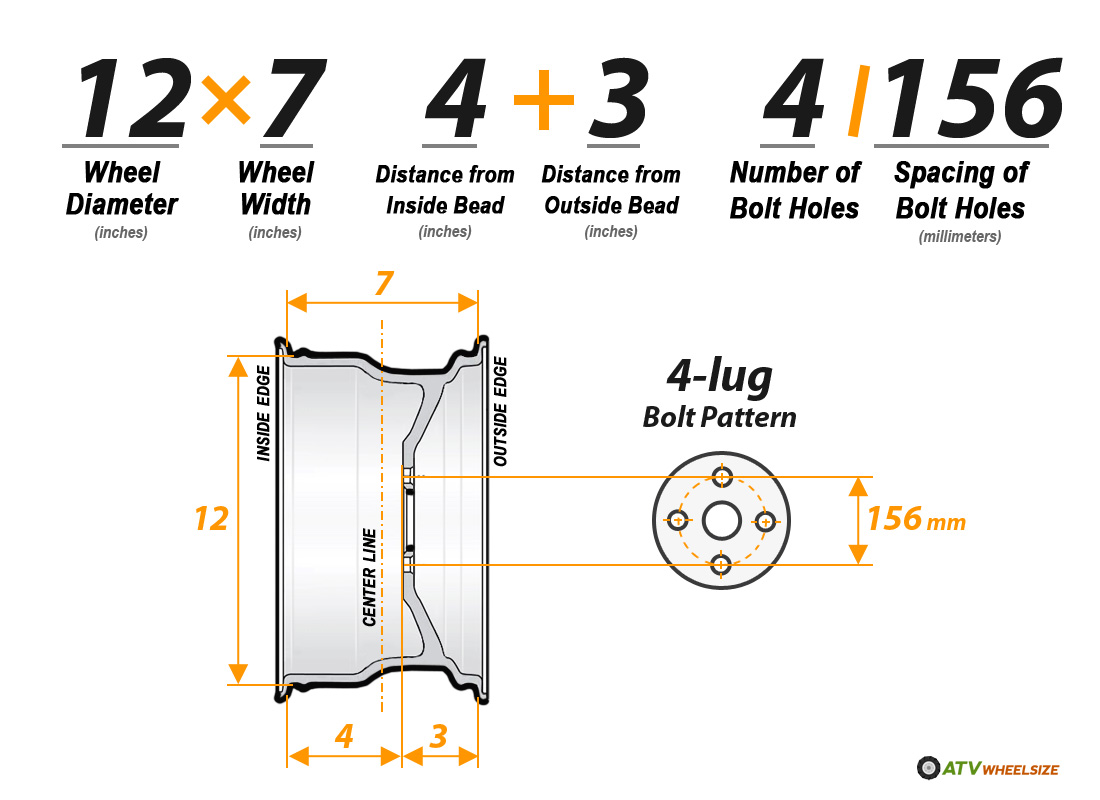
We talk to Lexus IS300 Base owners every day. These are the questions we hear most before they pull the trigger on new wheels.
Will 18×8.5 / 18×9.5-inch wheels fit my Lexus IS300 Base? Yes, but fitment depends on width, offset, and tire size working together. A wrong offset means rubbing. A wrong tire size means poor handling. Always verify all three.
Do I need to modify my fenders? That depends on your offset and suspension. A conservative offset with stock ride height usually fits without modification. Go aggressive and you may need to roll or pull your fenders.
Can I daily-drive this setup? Absolutely. Thousands of Lexus IS300 Base owners run 18×8.5 / 18×9.5-inch wheels every day. The key is choosing the right tire with enough sidewall to absorb road imperfections.