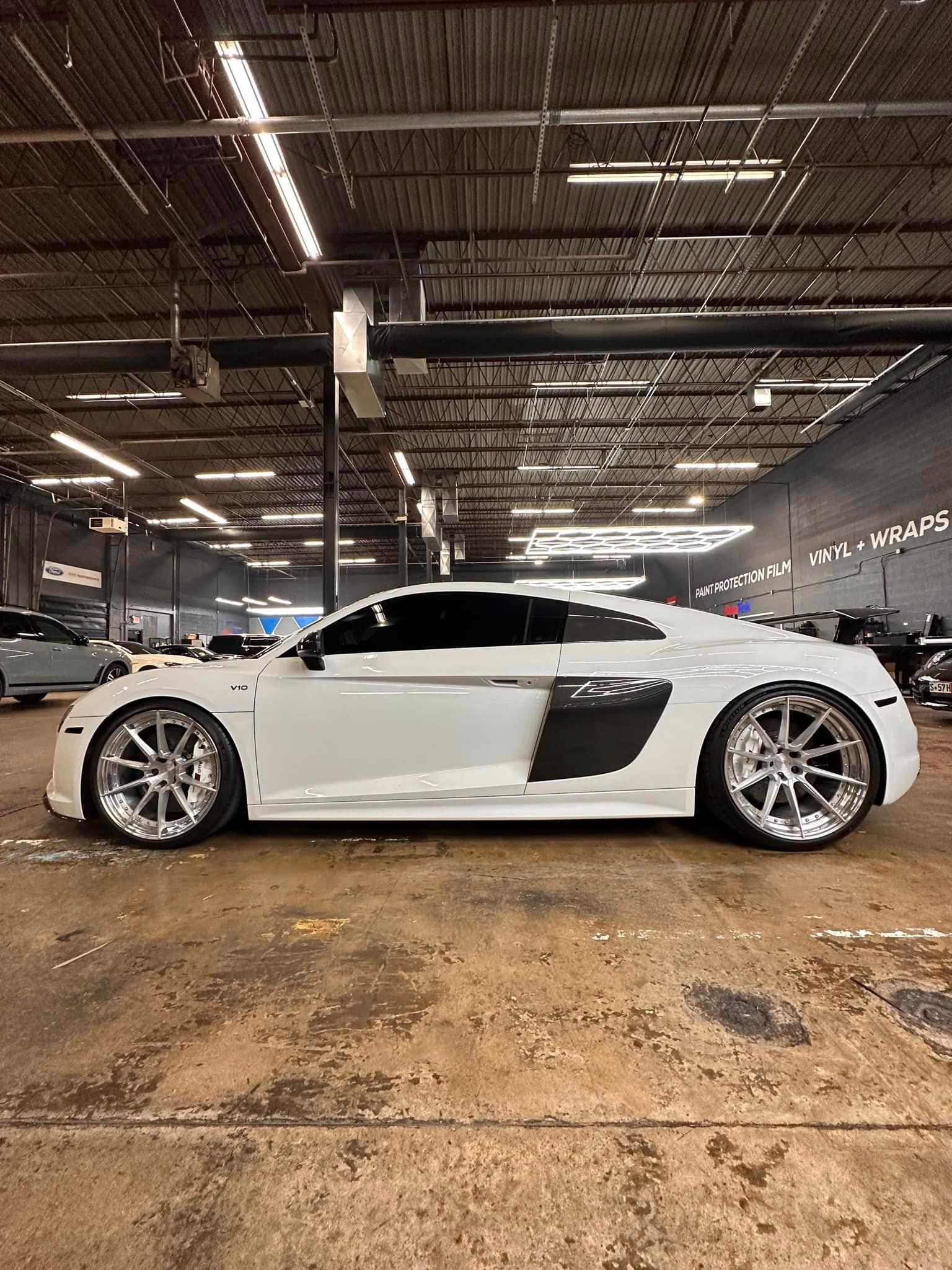
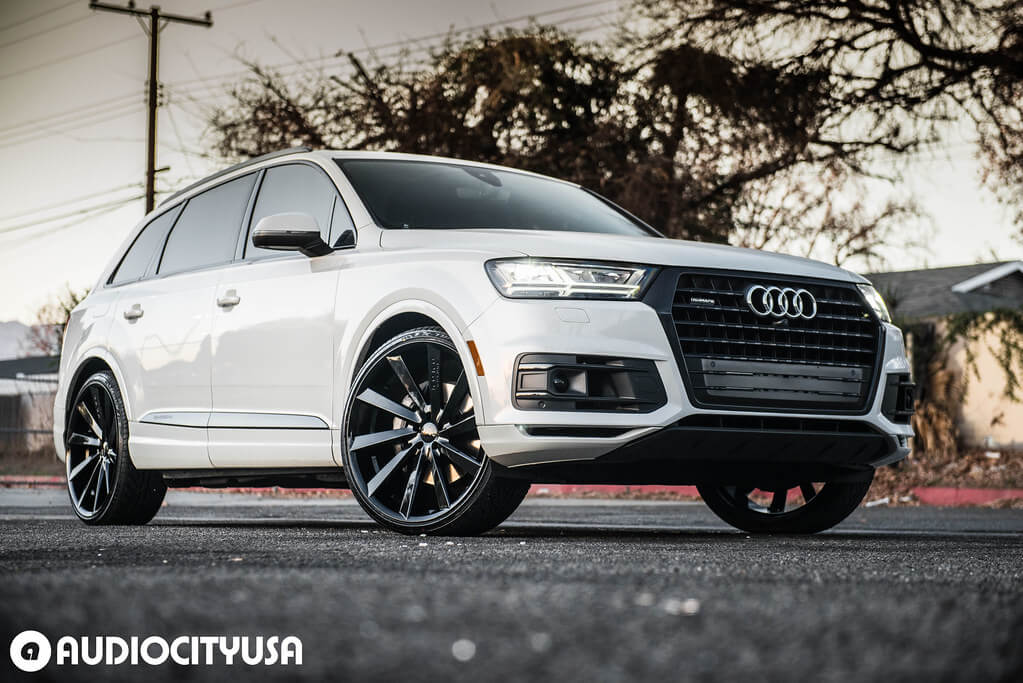
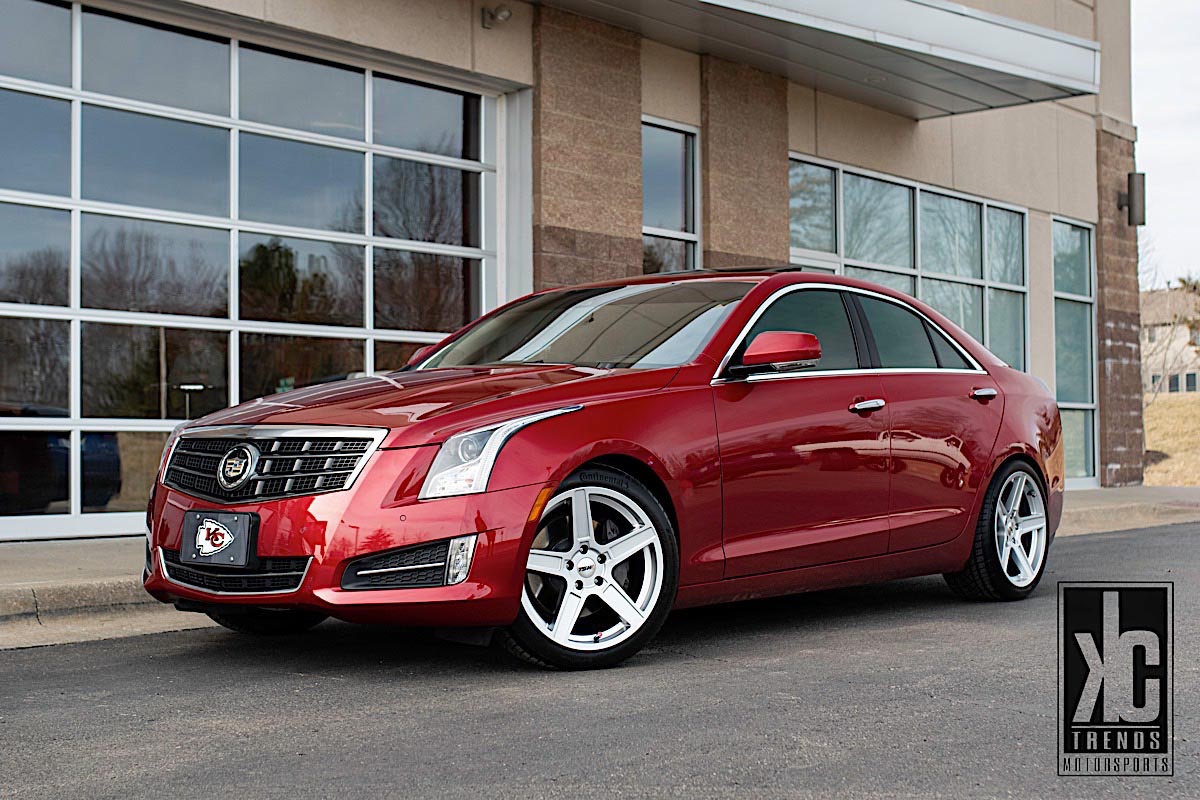
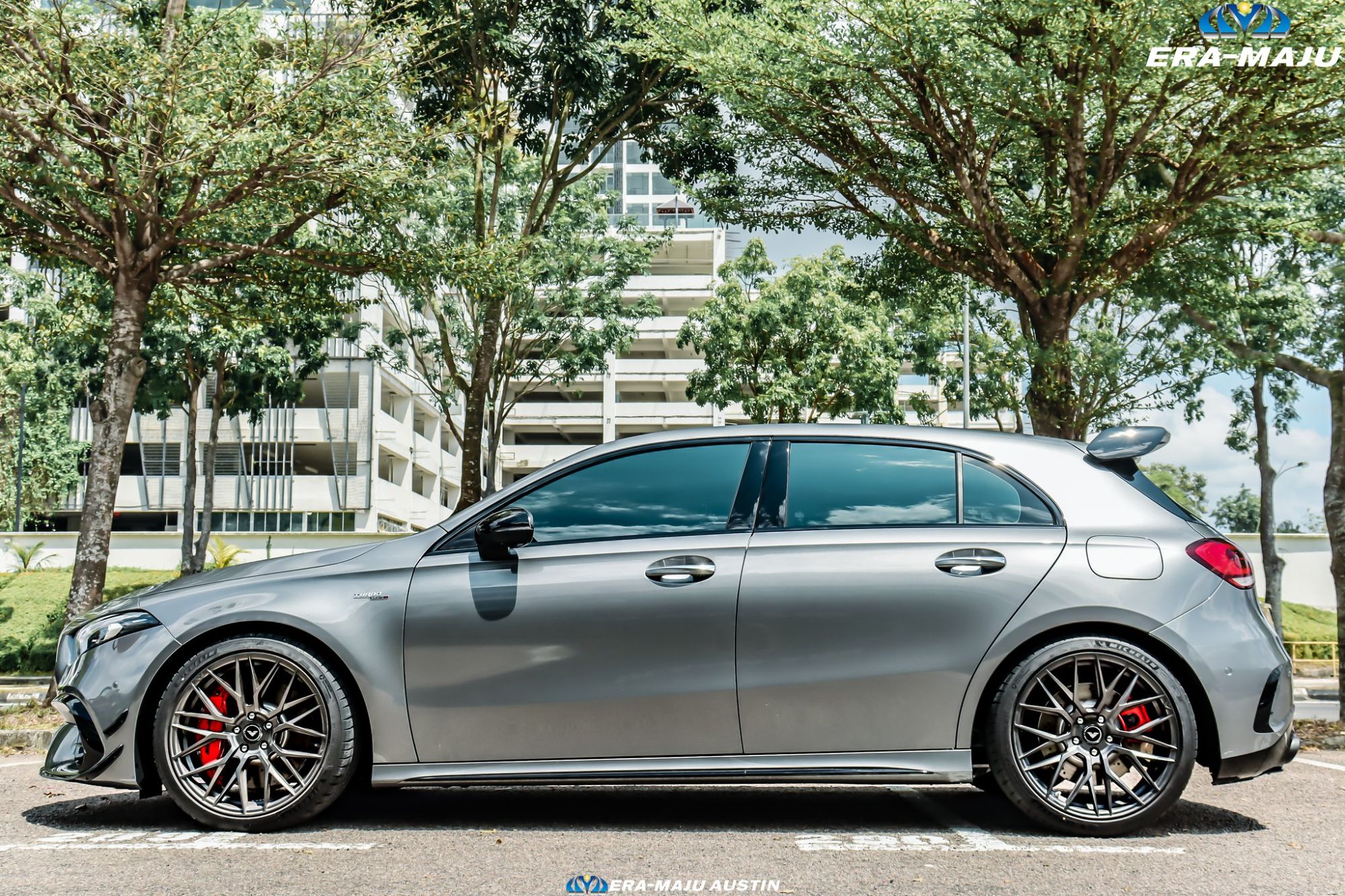
About This Honda S2000 Base 2003 Build
We love featuring real builds from real owners. This Honda S2000 Base 2003 sits on a set of 18×8 / 18×8.5-inch Enkei TS9 wheels, and the result speaks for itself.
The owner chose Enkei for a reason. This brand delivers serious quality and a design language that turns heads at every car meet. We see hundreds of Honda S2000 Base builds come through WheelFront every month, but this one stands out. The combination of the exterior with the Enkei TS9 creates a look that balances aggression with elegance.

Fitment Breakdown: Enkei TS9 on the Honda S2000 Base 2003
I walked around this S2000 for twenty minutes at the track yesterday. The 18x8 up front and 18x8.5 out back gives the car a perfect, aggressive rake. These Enkei TS9 wheels sit flush enough to look intentional but keep the tires tucked safely inside the factory sheet metal.
The +38 offset on all four corners pushes the wheels out significantly compared to the stock AP1 rollers. You get a much wider track width which helps the car bite into corners. I noticed the stance is serious business, but you need to watch your fender clearance on hard bumps.
Enkei engineered the TS9 with a smart spoke design that clears the factory calipers easily. I didn't see any need for spacers here, and the hub bore fits the S2000 perfectly. You don't get a ton of lip depth, but the concave profile makes up for it in spades.
The coilovers make this setup work, plain and simple. Without that drop, these 18s would look like they belong on a crossover. The suspension geometry is tight, keeping everything from rubbing during heavy cornering loads.

If you run this aggressive offset, you absolutely must roll your fenders. I saw a tiny bit of evidence that the previous owner massaged the liners to keep things clean. Don't skip that step or you will eat your tires on the first big compression.
The 18-inch diameter fills the wheel wells much better than the original 16s ever did. It changes the whole silhouette of the car. It transforms the S2000 from a classic roadster into a modern grip-focused machine.
What We Recommend for Honda S2000 Base 2003 Owners
If you want to replicate this look, stick to the 18-inch diameter. It offers the best tire selection for performance driving today. Don't go smaller unless you want a dedicated track-only tire wall.
I always tell guys to prioritize the offset. +38 is right on the edge of aggressive for a stock body, so be prepared to perform some fender work. If you want a direct bolt-on experience, look for something in the +45 to +50 range.

Staggered setups are the way to go on the S2000. The car loves the extra width in the rear to put the power down. Keeping the front slightly narrower prevents the steering from feeling heavy and tram-lining on the highway.
Avoid massive tire stretch if you actually drive the car hard. I prefer a square-shouldered tire that protects the rim edge from potholes. A slightly wider tire helps fill that gap between the fender and the wheel face perfectly.
Common mistakes usually involve buying the wrong center bore or ignoring brake clearance. Always double-check your hub rings. Nothing ruins a drive faster than a vibration you can't track down because of a loose wheel fitment.
Style and Build Analysis
The Silver finish on these TS9s is a classic choice for a reason. It pops against the dark paint of this S2000 without looking cheap. Silver stays clean longer than black and shows off the actual shape of the wheel spokes.

The design of the TS9 is pure motorsport. The split-spoke pattern adds a layer of complexity that keeps the eye moving. It looks fast even when the car sits perfectly still in the parking lot.
I love how the proportion of the 18-inch wheel matches the body lines of the AP1. It doesn't look oversized or cartoonish. It balances the long hood and short deck profile of the Honda architecture beautifully.
Compared to other builds with deep-dish wheels, this setup feels more functional. It screams precision rather than just trying to follow a trend. This is a car built for driving, not just for Instagram photos.
The overall stance is tight and purposeful. You can tell the owner spent time dialing in the coilover height to match the wheel offset. Every gap looks consistent and every line feels intentional.
Why We Love This Build
This S2000 captures the essence of what a modified Honda should be. The Silver Enkei wheels catch the late afternoon light and make the whole car glow. I watched the car cruise past the grandstands and the wheels looked like a blur of precision engineering.
It stops me in my tracks because it avoids the traps of being too flashy or too understated. The fitment is aggressive but dignified, showing off the S2000’s natural, beautiful curves. It makes me want to pull my own car out of the garage and hit the canyon roads immediately.
When you see a build this clean, you realize that simple, high-quality parts are still the king of the scene. This is the definition of a driver's car done right.

Full Specs Breakdown
Here is exactly what this owner is running. We break down every detail so you can replicate this build or use it as a starting point for your own setup.
- Car Make & Model: Honda S2000 Base 2003
- Vehicle Color:
- Wheel Brand & Model: Enkei TS9
- Wheel Size: 18×8 / 18×8.5
- Offset: 38 / 38
- Wheel Finish: Silver
- Tires: Nitto Neo Gen 215/35 23.9″x8.5″ / 225/35 24.2″x8.9″
- Suspension: Coilovers
Before You Buy: Fitment Checklist
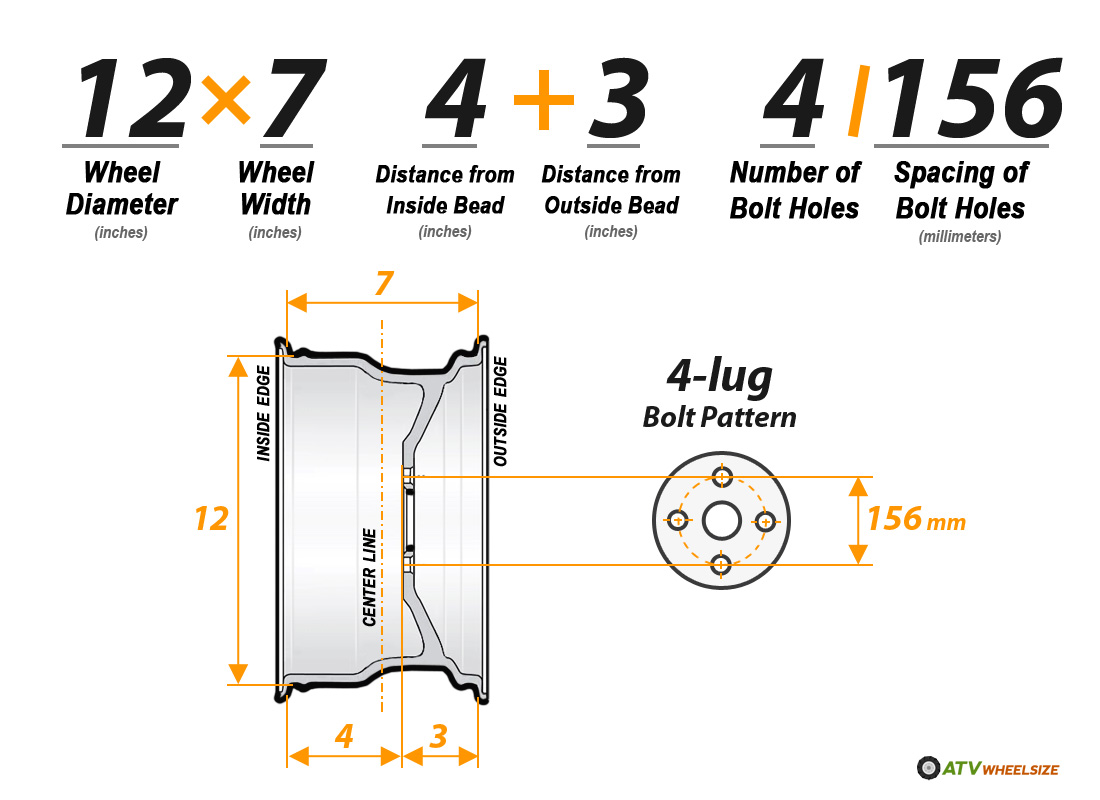
We talk to Honda S2000 Base owners every day. These are the questions we hear most before they pull the trigger on new wheels.
Will 18×8 / 18×8.5-inch wheels fit my Honda S2000 Base? Yes, but fitment depends on width, offset, and tire size working together. A wrong offset means rubbing. A wrong tire size means poor handling. Always verify all three.
Do I need to modify my fenders? That depends on your offset and suspension. A conservative offset with stock ride height usually fits without modification. Go aggressive and you may need to roll or pull your fenders.
Can I daily-drive this setup? Absolutely. Thousands of Honda S2000 Base owners run 18×8 / 18×8.5-inch wheels every day. The key is choosing the right tire with enough sidewall to absorb road imperfections.