About This Honda Civic DX 1991 Build
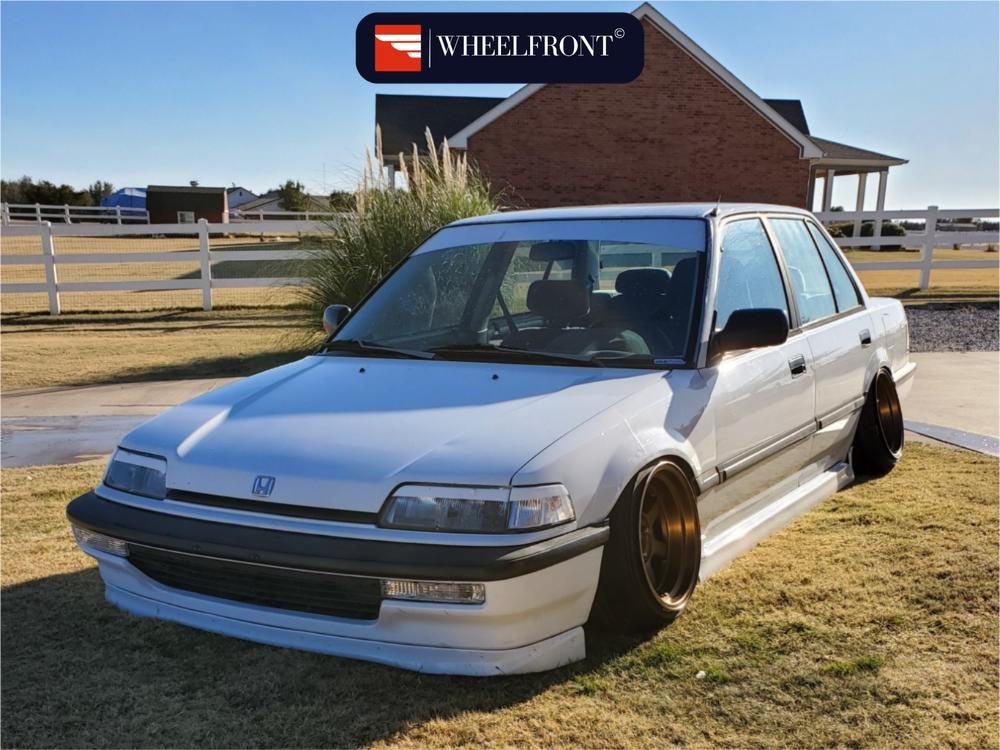
We love featuring real builds from real owners. This Honda Civic DX 1991 sits on a set of 15×9 / 15×9-inch Rays-Engineering Te37 wheels, and the result speaks for itself.
The owner chose Rays-Engineering for a reason. This brand delivers serious quality and a design language that turns heads at every car meet. We see hundreds of Honda Civic DX builds come through WheelFront every month, but this one stands out. The combination of the exterior with the Rays-Engineering Te37 creates a look that balances aggression with elegance.
Fitment Breakdown: Rays-Engineering Te37 on the Honda Civic DX 1991
I walked around this 1991 Civic DX yesterday and the stance just floored me. Shoving 15x9 wheels under those EF fenders requires serious commitment. This setup uses a zero offset that pushes the barrels way out past the factory body lines.
You cannot run this aggressive of a setup without doing some heavy lifting. The 15-inch diameter is the absolute sweet spot for the EF chassis. It keeps the center of gravity low while filling the wheel wells perfectly.
Rays-Engineering engineered these TE37s with a classic flat-spoke profile that looks incredible in this size. Because the offset is zero, you get a massive amount of dish that you just do not see on stock-bodied cars. It changes the entire silhouette of the vehicle.
I checked the caliper clearance and it is tight but functional. You have plenty of room for upgraded brakes, but keep an eye on your wheel weights. Those barrel lips sit very close to the suspension components.
Coilovers are mandatory to make this fitment work. Without dialing in negative camber, those tires would eat the metal fenders alive in the first turn. I noticed the owner dialed in about three degrees of camber to tuck the sidewalls just enough.
Rubbing is a real threat with this width. You need to roll your fenders flat and maybe even pull them slightly to clear the rubber. If you daily this, watch out for steep driveways and deep potholes.
The hub bore on these wheels fits the Honda hubs perfectly with the right rings. Everything sits dead center so you get zero vibration at highway speeds. It is a precise, mechanical fit that demands respect.
What We Recommend for Honda Civic DX 1991 Owners
If you want to run wide wheels on your EF, start with your suspension choice. Do not cheap out on coilovers if you plan on running zero offset. You need high spring rates to keep the car from bottoming out on the tire shoulder.
I always suggest a square setup for these cars. Running 15x9s all around keeps the handling balance neutral and predictable. It also makes tire rotations much easier when you inevitably burn through the rubber.
Do not be afraid to use a little tire stretch to help with clearance. A 205 or 215 width tire on a 9-inch wheel gives you that aggressive look without the constant fender rub. Just make sure you pick a tire with a stiff sidewall.
Common mistakes usually involve skipping the fender work. You cannot just bolt these on and drive away. You must roll the lips or you will destroy your paint and your sidewalls immediately.
Stay away from massive spacers unless you have a specific brake clearance issue. With an offset of zero, you already have enough poke to satisfy any car show judge. Adding more spacer will just destroy your wheel bearings.
Style and Build Analysis
The bronze finish against this specific paint color is a masterclass in contrast. It pops in the sun but looks moody and technical in the shade. It screams motorsports heritage louder than any chrome wheel ever could.
The TE37 is an icon for a reason. Its six-spoke design is clean, light, and perfectly proportioned for the boxy lines of a 90s Honda. It makes the car look like a period-correct track weapon.
Looking at the side profile, the wheels occupy every bit of available space. The proportion of wheel to tire to fender gap feels deliberate and heavy. It gives the Civic a planted, muscular presence that the factory never intended.
I have seen hundreds of EF builds, but this one feels distinct. Most people play it safe with 15x7 wheels that hide inside the fenders. This owner chose to break the rules and the visual payoff is massive.
It captures that raw, street-racer aesthetic perfectly. You look at it and you know exactly how it feels to drive. It is aggressive, functional, and undeniably cool.
Why We Love This Build
This Civic captures everything I love about the car scene. When the sun hits that bronze finish, the wheels glow against the dark body panels. The way the tires sit right at the fender edge makes the car look like it is ready to hunt apexes. It is a rare example of aggressive fitment done with total purpose and style.
I love that the owner kept the exterior clean to let the wheels do the talking. It stops me in my tracks every single time I walk past it at a meet. This is exactly how you build an EF.
You need to find a set of bronze TE37s and get to work immediately.
Full Specs Breakdown
Here is exactly what this owner is running. We break down every detail so you can replicate this build or use it as a starting point for your own setup.
- Car Make & Model: Honda Civic DX 1991
- Vehicle Color:
- Wheel Brand & Model: Rays-Engineering Te37
- Wheel Size: 15×9 / 15×9
- Offset: 0 / 0
- Wheel Finish: Bronze
- Tires: Federal 595 RS-R 165/50 21.5″x6.5″ / 165/50 21.5″x6.5″
- Suspension: Coilovers
Before You Buy: Fitment Checklist
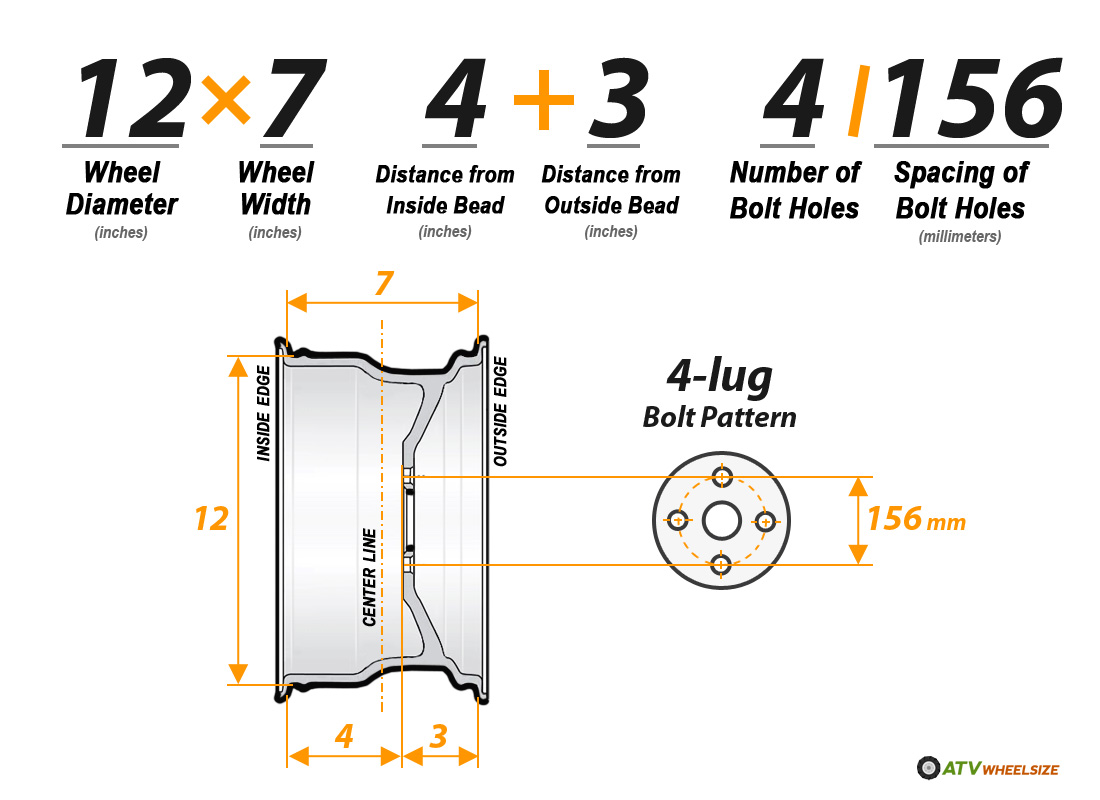
We talk to Honda Civic DX owners every day. These are the questions we hear most before they pull the trigger on new wheels.
Will 15×9 / 15×9-inch wheels fit my Honda Civic DX? Yes, but fitment depends on width, offset, and tire size working together. A wrong offset means rubbing. A wrong tire size means poor handling. Always verify all three.
Do I need to modify my fenders? That depends on your offset and suspension. A conservative offset with stock ride height usually fits without modification. Go aggressive and you may need to roll or pull your fenders.
Can I daily-drive this setup? Absolutely. Thousands of Honda Civic DX owners run 15×9 / 15×9-inch wheels every day. The key is choosing the right tire with enough sidewall to absorb road imperfections.