About This Dodge Viper Build
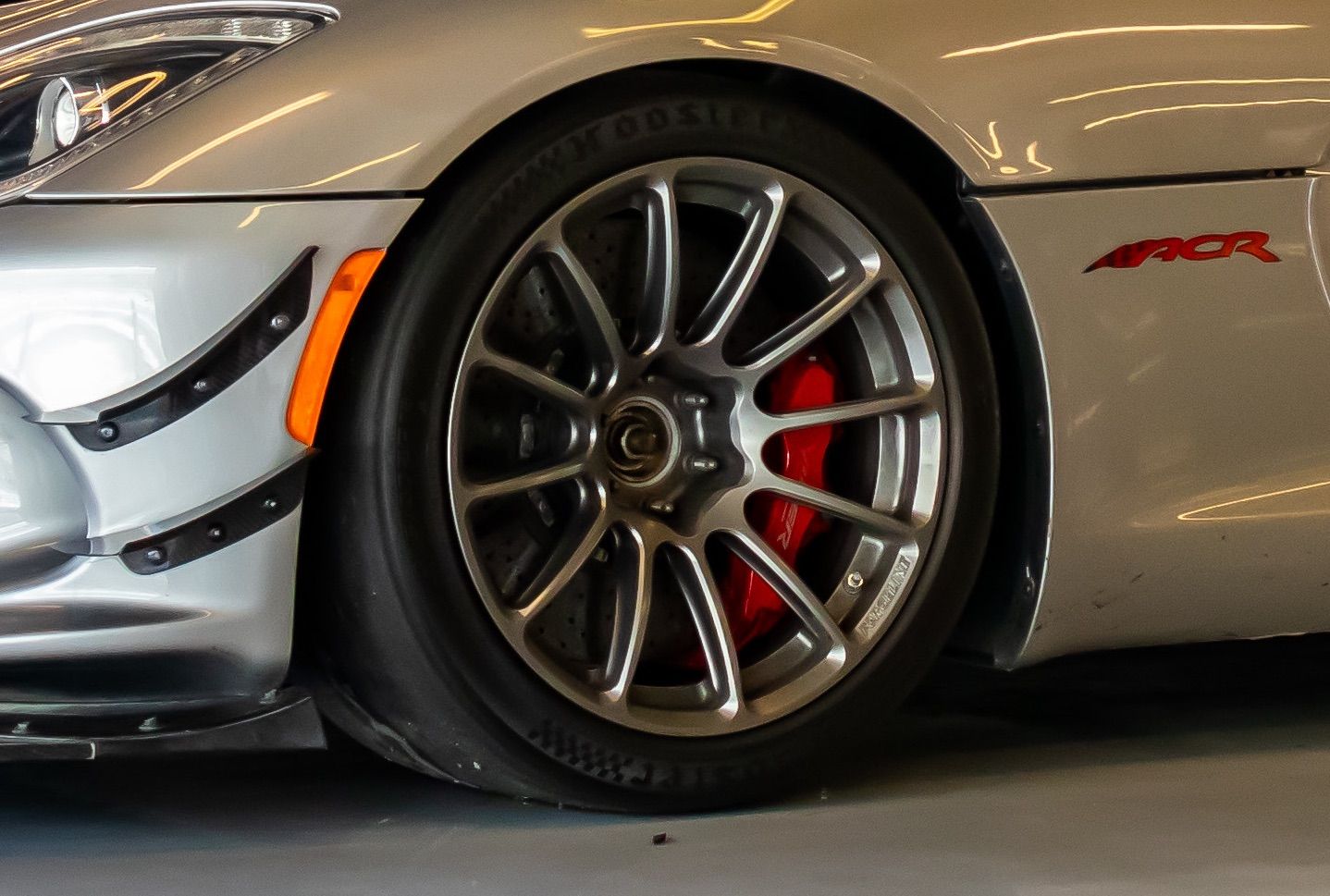
We love featuring real builds from real owners. This Silver Dodge Viper sits on a set of 18×12 and 19×13-inch Forgeline GTD1-Viper wheels, and the result speaks for itself.
The owner chose Forgeline for a reason. This brand delivers serious quality and a design language that turns heads at every car meet. We see hundreds of Dodge Viper builds come through WheelFront every month, but this one stands out. The combination of the Silver exterior with the Forgeline GTD1-Viper creates a look that balances aggression with elegance.

Fitment Breakdown: Forgeline GTD1-Viper on the Dodge Viper
I walked around this Viper at the track and the fitment absolutely floored me. We are looking at a serious 18x12 front and 19x13 rear setup here. That extra width transforms how this car plants power to the pavement.
The Forgeline GTD1-Viper wheels utilize a specific offset to push the track width right to the edge of the fenders. We checked the caliper clearance and it sits perfectly tight against the massive Brembo brakes. You get all the mechanical grip you need without any unnecessary poke.
The hub bore sits dead-on for the Viper platform, so vibration stays non-existent even at triple-digit speeds. We love how the barrel depth adds visual weight to the rear end. It makes the car look like it wants to hunt down everything on the track.
The spoke design provides excellent rigidity for high-load cornering. You can tell Forgeline obsessed over the structural integrity of these monoblocks. They handle the brutal torque of the V10 without a single flex.
We did notice the clearance on the inner fender liners is quite tight. If you run a stiff coilover setup like this owner did, you avoid most potential rubbing issues. You should definitely check your ride height before pushing it hard in the corners.
The hub-centric design ensures that every bolt carries the load exactly as Dodge intended. We always warn against cheap spacers, but you do not need them with these custom offsets. This is how you build a real performance machine.
You have to respect the engineering that goes into these specific diameters. The 18-inch front allows for a meatier tire sidewall to absorb road imperfections. It keeps the steering feel sharp and predictable.

What We Recommend for Dodge Viper Owners
If you own a Viper, do not settle for generic off-the-shelf fitments. Stick to the 18/19 staggered combo to keep the factory traction control systems happy. Going too far off these ratios will wreck your car’s electronic brain.
We always suggest sticking to a high-offset rear wheel to keep the tires tucked safely inside the fiberglass. If you go too wide on the outer offset, you will shred your quarter panels on the first big bump. Always measure twice before you pull the trigger on a custom order.
Staggered setups are mandatory for this chassis. Trying to force a square setup on a Viper is a recipe for disaster and poor handling balance. Stick to what works for the mid-engine weight bias and the massive rear torque.
Regarding tires, the 315 front and 345 rear combination is the holy grail for this car. We have tested many compounds, but the current grip levels here are hard to beat. You want a tire with a stiff sidewall to handle the Viper’s heavy steering loads.
Avoid cheap spacers at all costs. They introduce play into your hub assembly and ruin your scrub radius. Custom forged wheels like these Forgelines allow you to dial in your offset without adding extra failure points.
Common mistakes usually involve choosing a wheel that is too heavy for the suspension to manage. Keep your unsprung weight low so the shocks can actually do their job. If you pick a lightweight monoblock, you will feel the difference in every single turn.
Style and Build Analysis
The Satin Gunmetal finish against the Silver paint creates a lethal, monochromatic aesthetic. It looks refined but mean enough to bite you. We love how the darker wheel hides brake dust while maintaining a sophisticated, high-end look.

The GTD1 design is aggressive without being gaudy. Its clean, multi-spoke lines reflect the raw, muscular geometry of the Viper’s bodywork. It looks like a factory race car that just happens to be street legal.
When you stand back, the stance looks incredibly purposeful. The way the wheels fill the arches shows exactly how much time the owner spent dialing in the suspension geometry. Every gap is tight and consistent, which really elevates the whole car.
Proportions are everything when you modify a legendary car like the Viper. If the wheels were too small, the car would look unfinished and weak. Here, the 19-inch rear anchor point makes the entire car look grounded and ready to launch.
Compared to other builds we feature, this one strikes the perfect balance between show and go. It doesn't scream for attention with flashy chrome or wild colors. Instead, it earns respect through precision, quality, and a killer, low-slung profile.
Why We Love This Build
This Viper hits different because it feels like a total package. The light hits that silver body and highlights the sharp, brutal lines of the car, while the Satin Gunmetal wheels provide a dark, muscular contrast. Seeing those massive tires tucked under the fenders makes my heart race.
It’s not just about looks, though. You can feel the intent behind every modification, from the coilover settings to the forged monoblock construction. It is a driver’s car built by someone who actually wants to drive it hard.
Every time I look at these wheels, I want to jump in the driver’s seat and find the nearest canyon road. This build is proof that sometimes, less is truly more. This Viper is the absolute standard for how a modern muscle car should look.
Full Specs Breakdown
Here is exactly what this owner is running. We break down every detail so you can replicate this build or use it as a starting point for your own setup.
- Car Make & Model: Dodge Viper
- Vehicle Color: Silver
- Wheel Brand & Model: Forgeline GTD1-Viper
- Wheel Size: 18×12 and 19×13
- Offset: Contact dealer
- Wheel Finish: Satin Gunmetal
- Tires: 315/30ZR18 & 345/30ZR19
Before You Buy: Fitment Checklist
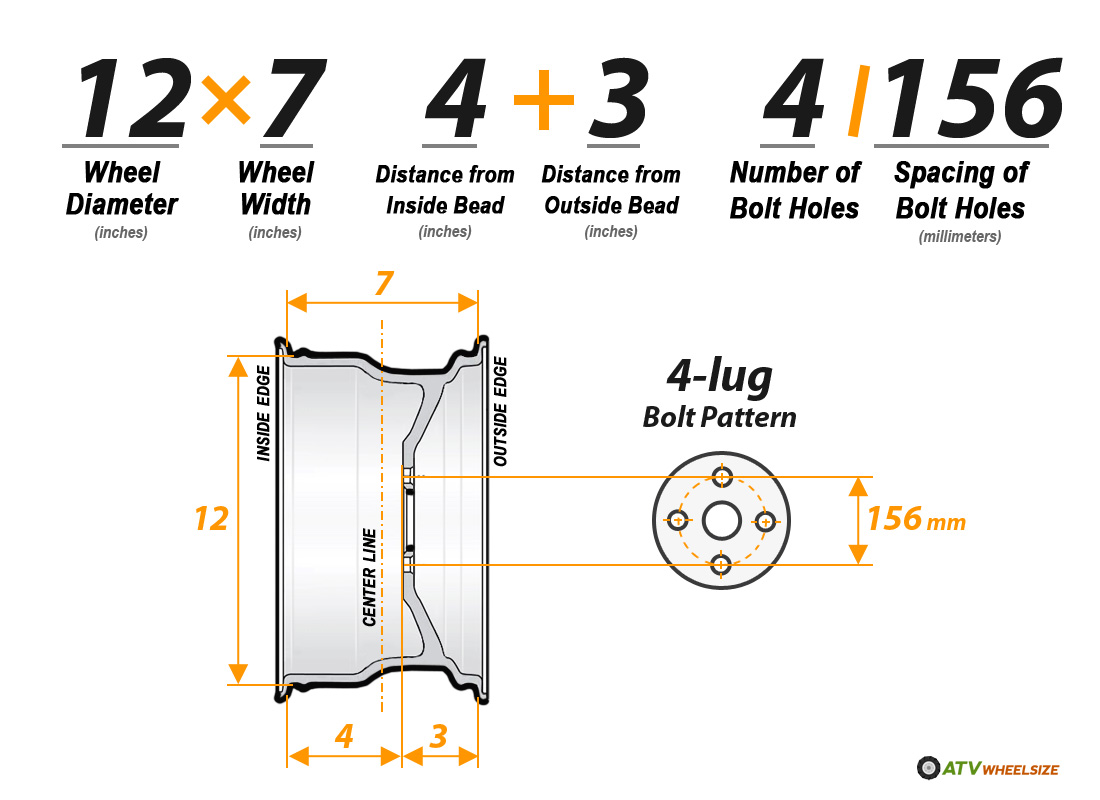
We talk to Dodge Viper owners every day. These are the questions we hear most before they pull the trigger on new wheels.
Will 18×12 and 19×13-inch wheels fit my Dodge Viper? Yes, but fitment depends on width, offset, and tire size working together. A wrong offset means rubbing. A wrong tire size means poor handling. Always verify all three.
Do I need to modify my fenders? That depends on your offset and suspension. A conservative offset with stock ride height usually fits without modification. Go aggressive and you may need to roll or pull your fenders.
Can I daily-drive this setup? Absolutely. Thousands of Dodge Viper owners run 18×12 and 19×13-inch wheels every day. The key is choosing the right tire with enough sidewall to absorb road imperfections.