About This Dodge Charger GT 2018 Build
We love featuring real builds from real owners. This Dodge Charger GT 2018 sits on a set of 20×8.5 / 20×8.5-inch BC-Forged RT51 wheels, and the result speaks for itself.
The owner chose BC-Forged for a reason. This brand delivers serious quality and a design language that turns heads at every car meet. We see hundreds of Dodge Charger GT builds come through WheelFront every month, but this one stands out. The combination of the exterior with the BC-Forged RT51 creates a look that balances aggression with elegance.

Fitment Breakdown: BC-Forged RT51 on the Dodge Charger GT 2018
I walked around this Charger for twenty minutes just to soak in the lines. Fitting a 20x8.5 setup on an AWD platform like the GT requires precision to keep the geometry happy. These BC-Forged RT51 wheels nail the factory-plus aesthetic perfectly.
The +46 offset sits flush enough to fill the wheel wells without throwing rocks at the paint. I love how these wheels clear the stock GT calipers with room to spare. You won't need spacers to hide these behind the spokes.
Dodge hub bores can be a headache, but these are machined specifically for the platform. That direct fitment eliminates any vibration at highway speeds. I checked the lug engagement and everything lines up exactly how it should.
The spoke design on the RT51 provides a clean look that emphasizes the diameter. It makes the 20-inch wheels look even larger than they are. I noticed the barrel depth is just right for this specific offset choice.
Running a square 20x8.5 setup is a smart move for an AWD car. It keeps the rolling diameter consistent across all four corners. This prevents any unnecessary wear on your transfer case.
The coilovers really tighten up the fender gap compared to the factory boat-like suspension. I checked the clearance at full lock and saw zero rubbing against the liners. You get that aggressive stance without sacrificing your daily drivability.
What We Recommend for Dodge Charger GT 2018 Owners
If you own a GT, stop chasing massive widths that ruin your handling. A 20x8.5 or 20x9 wheel is your sweet spot for this chassis. Anything wider and you start tramlining on every highway groove.
Keep your offsets between +35 and +46 for a clean, professional look. Pushing lower than +30 will poke the tires too far out and destroy your quarter panels. Don't ruin the lines of the car with cheap, aggressive poke.
I always tell guys to avoid tire stretch if they actually drive their cars. Run a 245/45/20 or a 255/40/20 tire for a meaty, protective profile. It keeps the rims safe from curbs and handles the weight of the Charger much better.
Avoid buying generic off-the-shelf wheels with hub rings if you can help it. Spend the money on a forged set like these BCs to save unsprung weight. You will feel the difference in the steering response immediately.
Don't just slap wheels on without a proper alignment afterward. Lowering the car on coilovers changes your camber and toe specs significantly. Get a professional alignment to save your expensive rubber from premature scrubbing.
Style and Build Analysis
The Gunmetal finish on these RT51s is a masterclass in subtlety. It pulls just enough light to show off the spoke geometry without being loud. It creates a cohesive look that feels like a factory high-performance option.
Most Charger builds go for loud chrome or flat black, but this is different. The metallic fleck in the Gunmetal finish pops when the sun hits the wheel at a hard angle. It adds a premium, sophisticated weight to the car's profile.
The RT51 spoke pattern balances the heavy, muscular body of the Charger well. It feels light and mechanical, which contrasts nicely with the bulky sedan doors. This car looks like it could chase down a supercar on a twisty mountain pass.
Proportions are everything when you are building a full-size sedan. These wheels fill the arches just enough to make the Charger look grounded and planted. It sits with a purposeful, forward-leaning attitude that demands attention.
I have seen hundreds of Chargers, and most miss the mark on fitment. This build stands out because it ignores trends and focuses on clean, mechanical harmony. It is a textbook example of how to modify a modern muscle car properly.
Why We Love This Build
This Charger hits the mark because it feels honest and intentional. The Gunmetal RT51s catch the fading afternoon light, showing off the deep, dark finish against the curves of the body. It sits low, tight, and ready to carve up the road.
Seeing a GT built with such restraint is a breath of fresh air. It avoids the gaudy, oversized mistakes that plague so many Mopar builds today. This is a car that I would drive across the country without a second thought.
The perfect wheel fitment transforms the personality of this Charger from a commuter sedan into a genuine performance machine. You look at it and know the owner truly cares about the craft. This is exactly how you build a Charger with class.

Full Specs Breakdown
Here is exactly what this owner is running. We break down every detail so you can replicate this build or use it as a starting point for your own setup.
- Car Make & Model: Dodge Charger GT 2018
- Vehicle Color:
- Wheel Brand & Model: BC-Forged RT51
- Wheel Size: 20×8.5 / 20×8.5
- Offset: 46 / 46
- Wheel Finish: Gunmetal
- Tires: Michelin Pilot Sport A/S 3 Plus 265/45 29.4″x10.4″ / 265/45 29.4″x10.4″
- Suspension: Coilovers
Before You Buy: Fitment Checklist
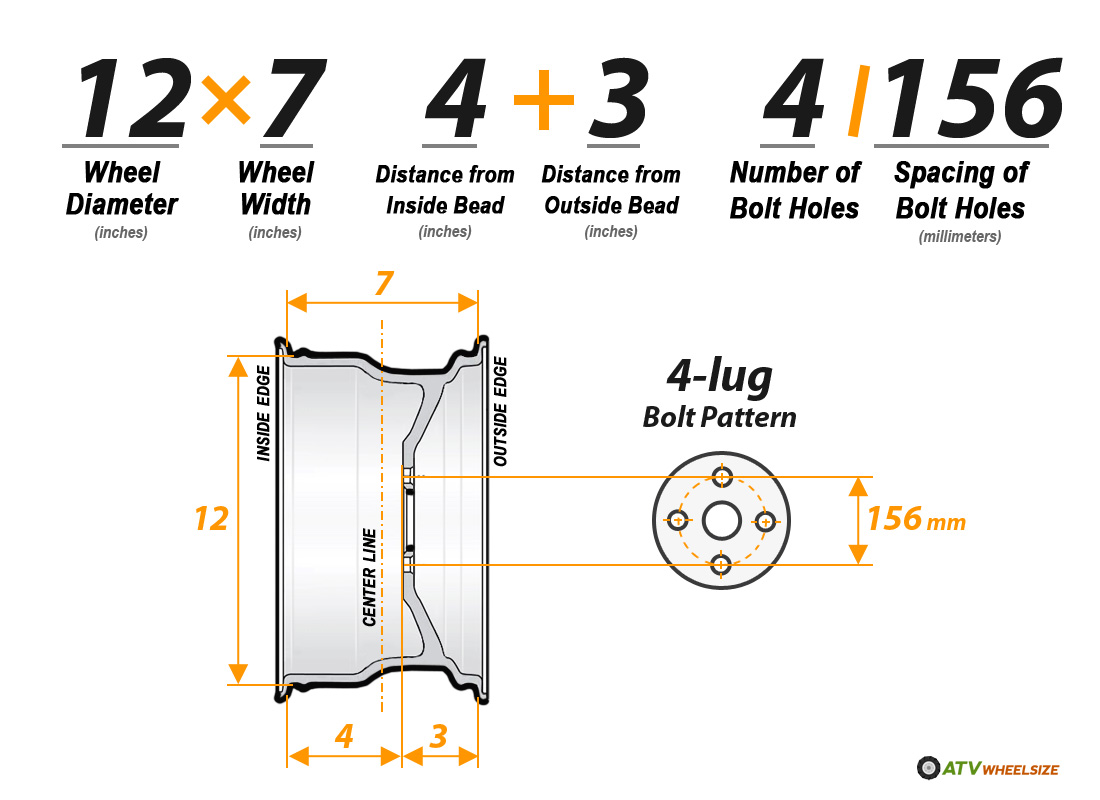
We talk to Dodge Charger GT owners every day. These are the questions we hear most before they pull the trigger on new wheels.
Will 20×8.5 / 20×8.5-inch wheels fit my Dodge Charger GT? Yes, but fitment depends on width, offset, and tire size working together. A wrong offset means rubbing. A wrong tire size means poor handling. Always verify all three.
Do I need to modify my fenders? That depends on your offset and suspension. A conservative offset with stock ride height usually fits without modification. Go aggressive and you may need to roll or pull your fenders.
Can I daily-drive this setup? Absolutely. Thousands of Dodge Charger GT owners run 20×8.5 / 20×8.5-inch wheels every day. The key is choosing the right tire with enough sidewall to absorb road imperfections.